Last updated on September 12th, 2026
Are you planning a trip to Southern Xinjiang? Discover the top sights, must-see attractions, and local cuisine in this ultimate Southern Xinjiang travel guide blog.
Southern Xinjiang (南疆) offers a unique blend of stunning landscapes, rich culture, and unforgettable adventures. This destination is ideal for travelers seeking something off the beaten path, where nature and tradition come alive. Whether you’re visiting the legendary Pamir Plateau or exploring the ancient Silk Road history, Southern Xinjiang leaves a lasting impression.
However, many travelers have expressed concerns about the uncertainties of visiting Southern Xinjiang. To address these concerns, we have compiled the ultimate Southern Xinjiang travel guide for those looking to explore this amazing destination.
In this Southern Xinjiang Travel Guide, you will find an overview of the best things to do in Southern Xinjiang, key attractions, and also the best time to visit. We also included a suggested Southern Xinjiang itinerary tailored to your interests, travel style, and available time. With proper planning, your journey to this region can be smooth and truly rewarding.
Are you ready to explore the majestic Southern Xinjiang region? Plan your trip and discover a world like no other with this Southern Xinjiang Travel Guide blog.
Southern Xinjiang Travel Guide: Introduction
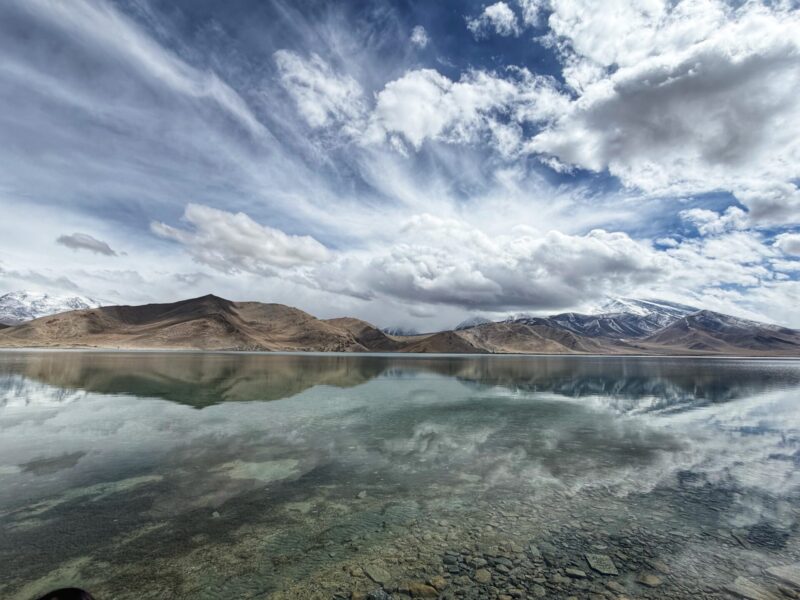
Xinjiang (新疆), located in the western part of China, is often referred to as the Far West of China. It spans more than 1.6 million square kilometers, making it exceptionally vast. The Tianshan Mountain Range runs through the middle of Xinjiang, acting as a significant geographic, cultural, and climatic barrier. The mountain range divides the region into two distinct areas: Northern Xinjiang and Southern Xinjiang.
Northern Xinjiang (Beijiang / 北疆) is renowned for its breathtaking natural forests and lakes. This region features attractions such as the Heavenly Lake of Tianshan near Urumqi, the enchanting Kanas Lake, the impressive Anjihai Grand Canyon, and the beautiful Kalajun and Narati Grasslands in Ili.
Southern Xinjiang (Nanjiang / 南疆) captivates with its rich human history, expansive desert landscapes, vibrant oasis culture, and remarkable architecture.
This travel guide blog will focus on the Southern Xinjiang region.
Why Visit Southern Xinjiang
Southern Xinjiang (南疆), located south of the Tianshan Mountains, is renowned for its rich cultural heritage and stunning landscapes. Despite its remote location, the region is filled with cultural treasures and natural resources. It serves as a historical and cultural hub of the Ancient Silk Road, preserving traditions in artisan crafts, copper forging, and pottery that have lasted for millennia. A highlight of Southern Xinjiang is its enduring connection to the ancient Silk Road.
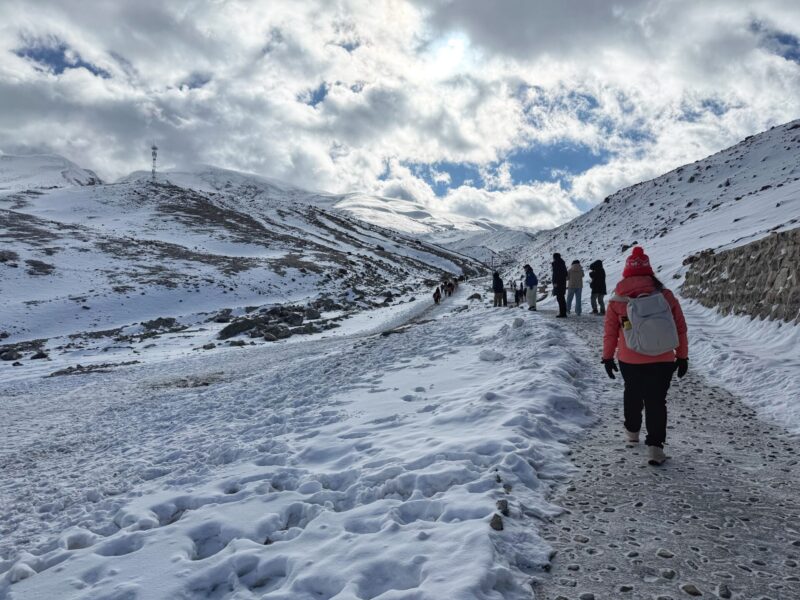
Additionally, the natural scenery is breathtaking, featuring a diverse range of landscapes from desert basins to snow-capped peaks. The central part of the region is predominantly desert, while the outer rims boast some of the highest and most dramatic alpine passes in the world.
How To Get to Southern Xinjiang
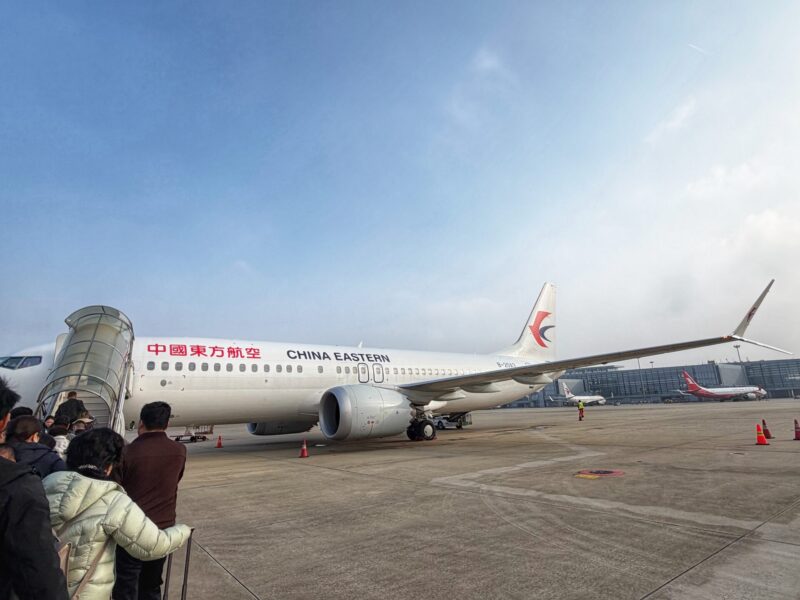
Getting to Southern Xinjiang requires some effort, but that’s part of what makes the journey rewarding. There are no international flights connecting directly to the Xinjiang region. You will need to fly to major cities in China, such as Beijing, Shanghai, Chengdu, or Guangzhou, and then transfer to a domestic flight to get to Xinjiang. In Xinjiang, the cities of Kashgar and Urumqi offer the most convenient domestic flight options.
Flying to Kashgar: Although Kashgar is smaller and has fewer flight options, it serves as an excellent starting point for exploring Southern Xinjiang. If your travel plans focus primarily on Southern Xinjiang, Kashgar will be the main transportation hub.
Pro Tips: I recommend using Trip.com to check flight options for China travel.
Flying to Urumqi: Most visitors fly into Urumqi, as it has more frequent flights and connections to major cities across China. Once you arrive in Urumqi, you can travel to Southern Xinjiang by train or car.

Traveling from Urumqi to Kashgar: Both cars and trains can take a significant amount of time. However, the Urumqi-Kashgar High-Speed Railway, which opened in December 2024, has reduced travel time to as little as 11 hours. You can board the train from either Urumqi South Station or Turpan North Station.
Be sure to book your train tickets in advance through Trip.com.
How Many Days for Southern Xinjiang itinerary
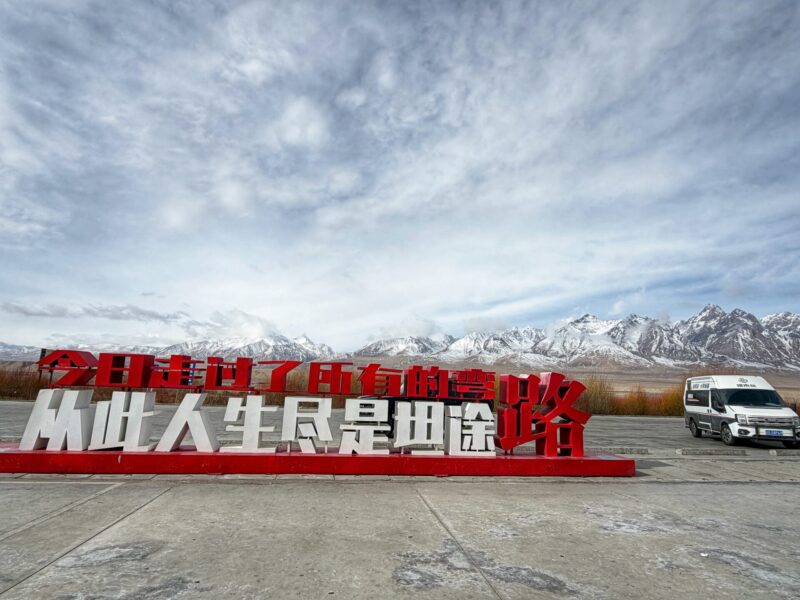
While some people choose to explore the entire Xinjiang region, focusing mainly on Northern Xinjiang and only briefly visiting Southern Xinjiang. In our opinion, the unique offerings of Southern Xinjiang should not be overlooked.
Our own travels through both Northern and Southern areas revealed that the experiences are distinctly different. It’s essential to allocate enough time and be prepared for long stretches on the road. The distances here are vast; even the fastest routes can seem endless when you are covering hundreds of kilometers in a single day.
In short, your experience in Xinjiang will vary greatly depending on how many days you have and how many places you wish to visit. We recommend dedicating at least 10 days to thoroughly exploring Southern Xinjiang. If you only have a few days, it’s advisable to focus on a single area, as traveling between cities can take eight hours or more by car.
Suggested 10-Day Southern Xinjiang itinerary
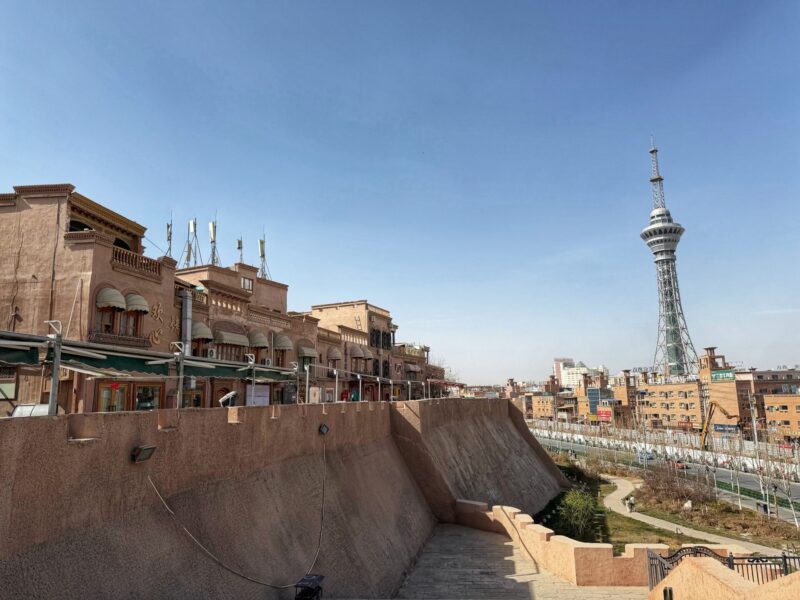
Here is a recommended 10-day Southern Xinjiang itinerary. This itinerary covers the main attractions and is divided into two routes: the Sand and Desert Route to the Taklamakan Desert and the Snow Mountain and lake Route to the Pamir Plateau, with Kashgar serving as the main base and transportation hub.
The 10-Day Southern Xinjiang Itinerary:
- Day 1: Arrive in Kashgar and apply for a border permit.
- Day 2: Travel from Kashgar to Aksu, with a visit to the Dawakun Desert.
- Day 3: Wensu Grand Canyon
- Day 4: Cross the Taklamakan Desert Highway and arrive in Hotan.
- Day 5: Spend the day exploring Hotan.
- Day 6: Visit Xitiya Ancient City and Shache, then return to Kashgar.
- Day 7: Travel from Kashgar to Tashkurgan (the Pamir Plateau). Along the road journey, visit Baisha Lake, Karakul Lake, and the Stone City Ruins.
- Day 8: Explore the wonders of Tashkurgan, including the Wakhan Corridor, the Panlong Ancient Road, Bandir Blue Lake, Pamir of Eyes.
- Day 9: Visit Muztagh Glacier Park. Lastly, return to Kashgar.
- Day 10: Explore Kashgar.
- Lastly, say Goodbye to Southern Xinjiang.
Each Southern Xinjiang route is detailed in separate travel blogs tailored to suit your interests, including information on transportation, accommodation recommendations, and must-see attractions.
- Southern Xinjiang Pamir Plateau Route Itinerary: A Travel Guide blog
- Southern Xinjiang: Taklamakan Desert Route itinerary: A Travel Guide blog
Highlights of Southern Xinjiang Attractions
Southern Xinjiang offers a wealth of experiences. From picturesque, snow-dusted slopes and the serene beauty of majestic lakes to lively bazaars and the unique traditional Uyghur culture, you’ll have an abundance of options to explore.
Below are the highlights and must-visit attractions in Southern Xinjiang:
Kashgar – home to numerous historical sites, including the Kashgar Old Town, Id Kah Mosque, Abakh Hoja Tomb, and Kashgar Bazaar. This is also an important hub for travelers visiting Southern Xinjiang.
Taklamakan Desert Crossing, where you can experience the towering, shifting sand dunes. Plan your visit to Hotan, Aksu, and Shache, exploring the sand desert kingdom site in Southern Xinjiang. It is advisable to allocate at least 4 to 5 days for this route of the trip.
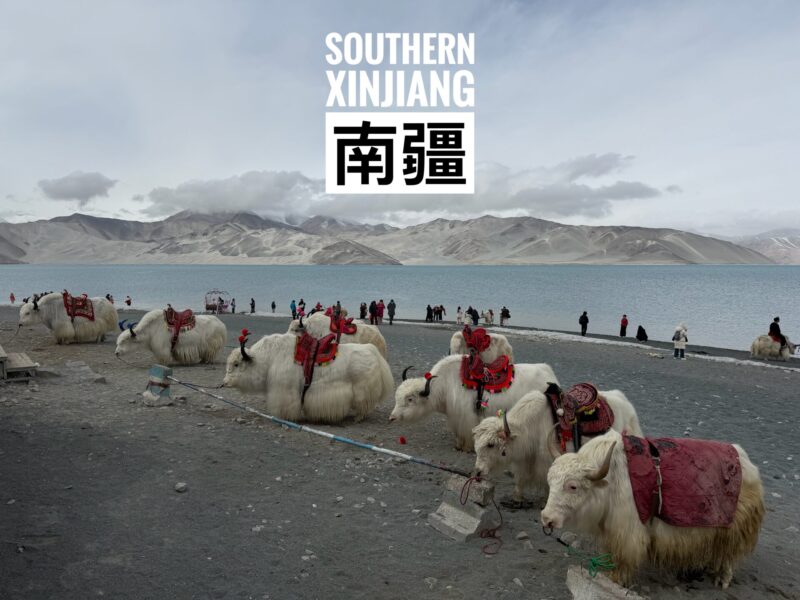
Pamir Plateau – Kashgar to Tashkurgan along the Karakoram Highway on the Pamir Plateau is a popular option for few days tour. Visiting the Pamir Plateau region, you can take in breathtaking scenery and explore the mystical Tajik culture. Notable attractions are Baisha Lake, Karakul Lake, and Muztagh Glacier Park.
Meet the Ancient Past at Kashgar
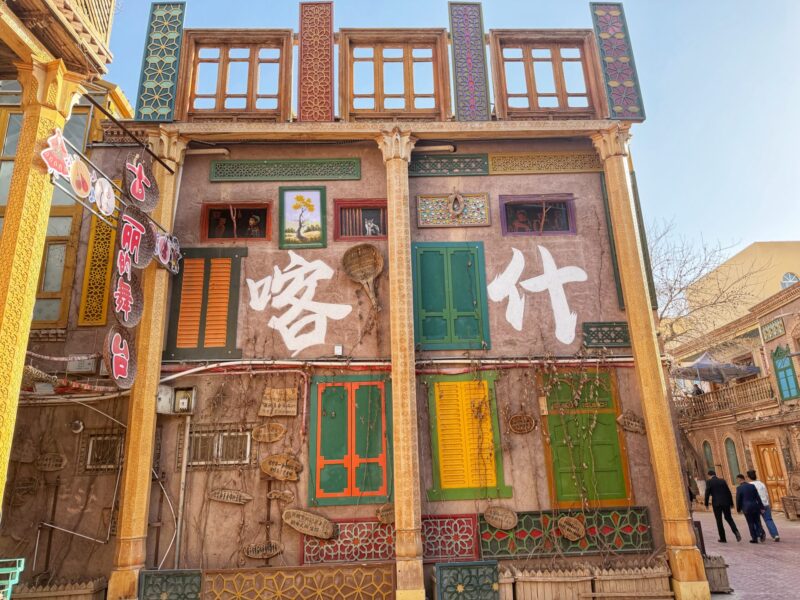
Kashgar, or Kashi (喀什), is one of China’s oldest and most cherished religious cities. As a crucial stop on any Southern Xinjiang itinerary, Kashgar enchants visitors with its stunning beauty and traditional architecture.
Situated along the ancient Silk Road in the far west of the country, Kashgar, the remarkable cultural city, is a cultural epicenter and offers many more attractions than most visitors anticipate.
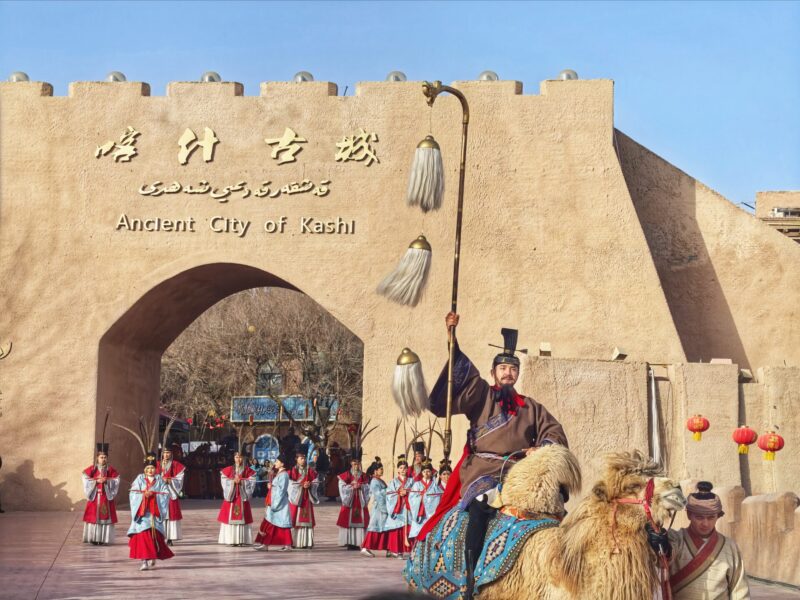
For over two millennia, Kashgar has been an important trade and cultural center for Xinjiang and the Silk Road. Its unique culture blends elements from various ethnic groups, including Uygur, Tajik, Hui, Kyrgyz, Uzbek, Kazak, Mongolian, Russian, Sibo, and Manchu, among others. An ideal place to explore the ancient Silk Road and experience the diverse cultures of minority groups.
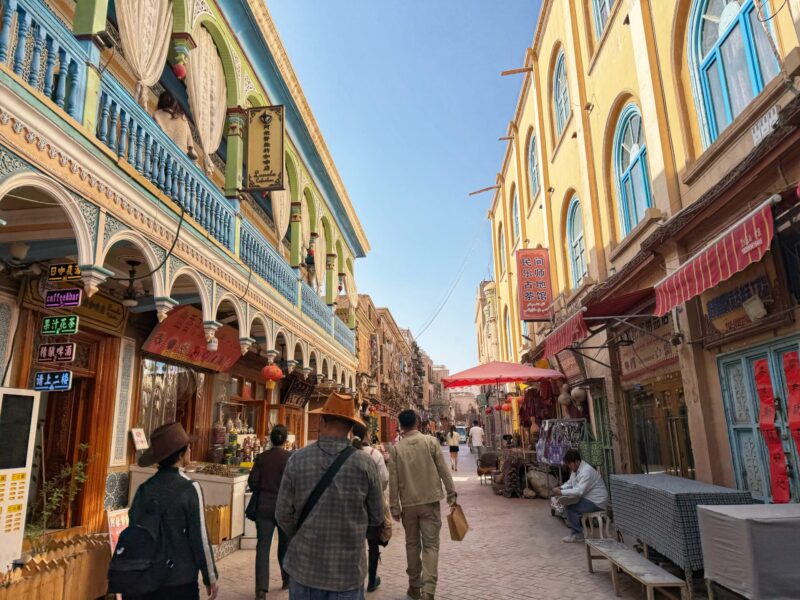
When planning your visit to Kashgar as part of your Southern Xinjiang itinerary, be sure to include a visit to one of the bustling local bazaars, the famous Abakh Hoja Tomb, the holy Id Kah Mosque, and the tranquil Kashgar Old City, which retains the most authentic traditions of the region.
Be sure to check out our Travel Guide: Kashgar: When Ancient Past Meet Present.
There are many things to do and see in Kashgar. It is best to allocate 1 to 2 days to explore the city.
Cross the Taklamakan Desert – Hotan – Shache
After arriving in Southern Xinjiang, continue on to the Taklamakan Desert Route and spend three to four days in the area.
The main highlights of the Taklamakan Desert Route include stunning desert landscapes, canyons, and sand dunes. Be sure to drive along the Tarim Desert Highway, visit one of the Desert Sand Kingdom, and explore the cultural sites in the Southern Xinjiang area.
Southern Xinjiang Taklamakan Desert Route itinerary: A Travel Guide blog
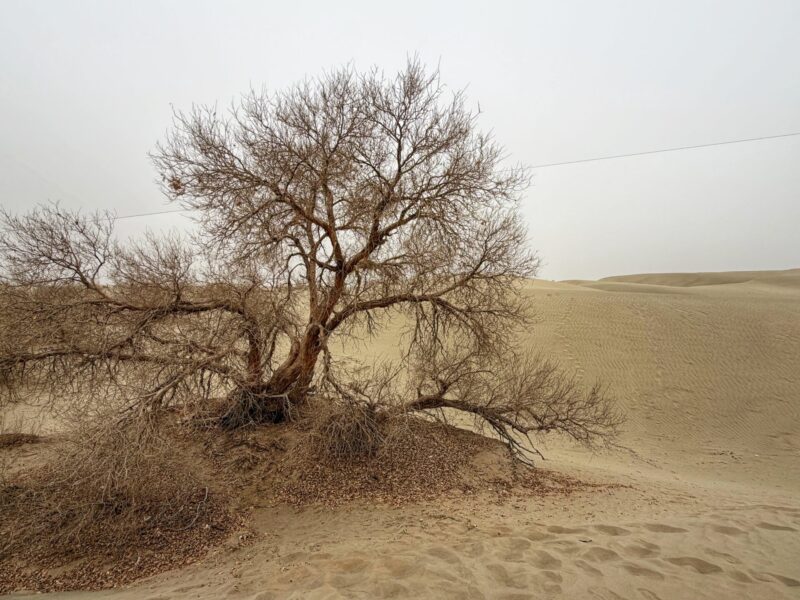
Crossing the Taklamakan Desert (塔克拉玛干沙漠) involves a long drive spanning 522 kilometers at the Tarim Desert Highway (塔里木沙漠公路). However, we highly recommend taking the route by driving through Tarim Desert Highway. You can make stops along the way to stretch your legs and enjoy the beautiful sand landscapes and oases that appear in the middle of the desert.
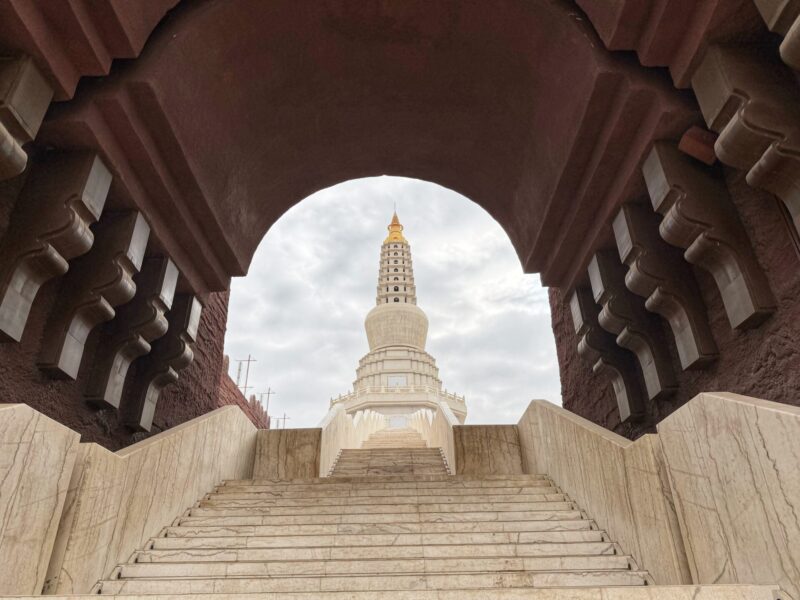
Hotan, known as Hetian (和田), is another city worth exploring for its connection to the ancient Silk Road, as well as its rich religious and philosophical heritage.
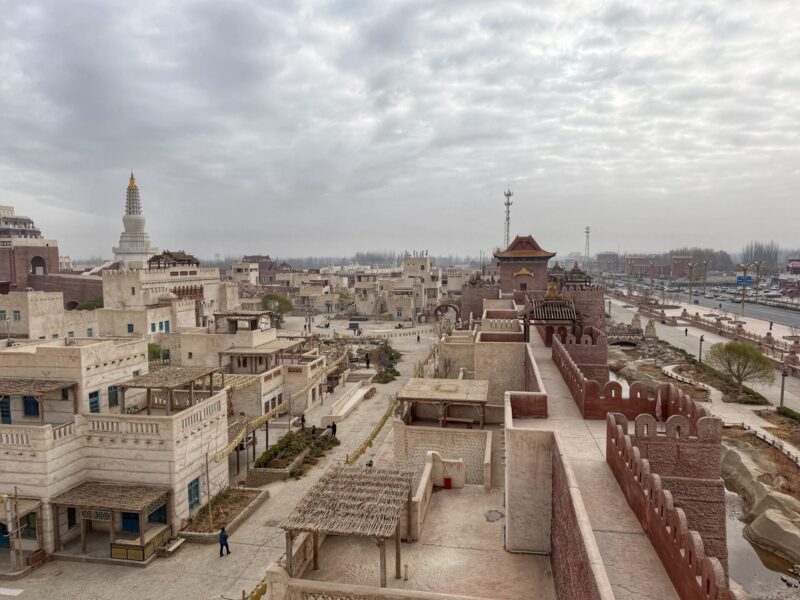
While in Hotan, visit the Hotan Museum, explore the Yotkan Ruins, experience jade hunting at the Jade Dragon along the Kashgar River, and sample local Xinjiang cuisine at the Hotan Local Market.
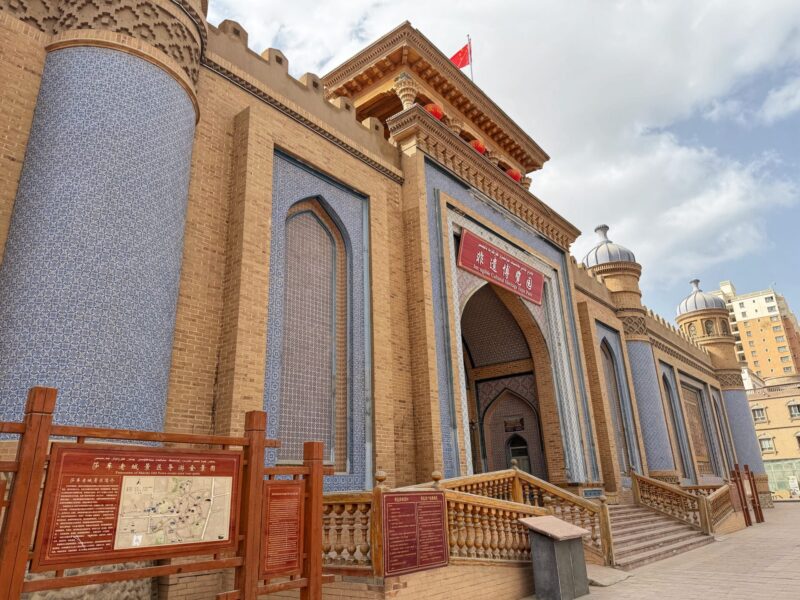
Shache (莎车) was historically the political and cultural heart of the Yarkent Khanate and has deep historical roots along with a distinct Uyghur character.
To be honest, as a natural scenery lover, neither city is particularly exciting on its own. However, they serve as gateways to the Taklamakan Desert and has its unique charm. If you are visiting this region, consider resting in these cities before continuing your journey.
Pamir Plateau and Tashkurgan
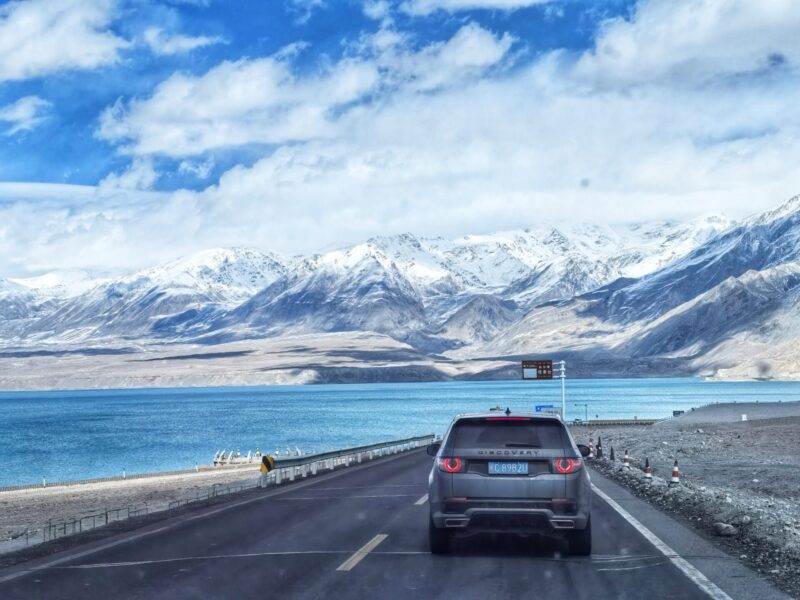
Pamir Plateau (帕米尔高原) is a breathtaking high-altitude frontier located in far western China, where the Tianshan, Kunlun, and Karakoram mountain ranges converge. This region is famous for its dramatic glacial peaks, pristine alpine lakes, and volcanic wetlands.
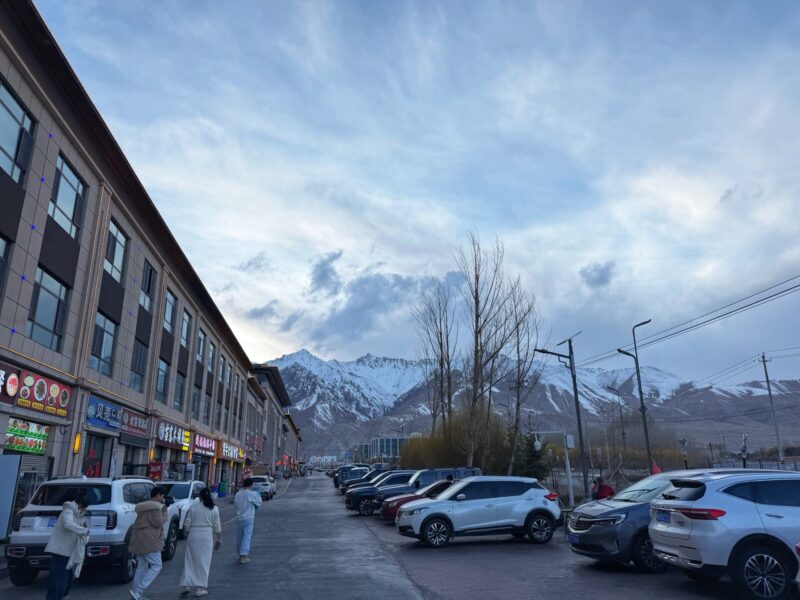
Tashkurgan (塔县) is the largest town in the Pamir Plateau region, and it still feels like a sleepy mountain town. The town is approximately 290 km from Kashgar, which is about a 5-hour drive along the Karakoram Highway.
The journey south from Kashgar on the Karakoram highway to Tashkurgan is one of the most spectacular in China. It steadily ascends from the dry plains of Xinjiang into the stunning Pamir mountain landscapes. Most travelers will choose to rest and base at Tashkurgan when visiting the Pamir Plateau region.
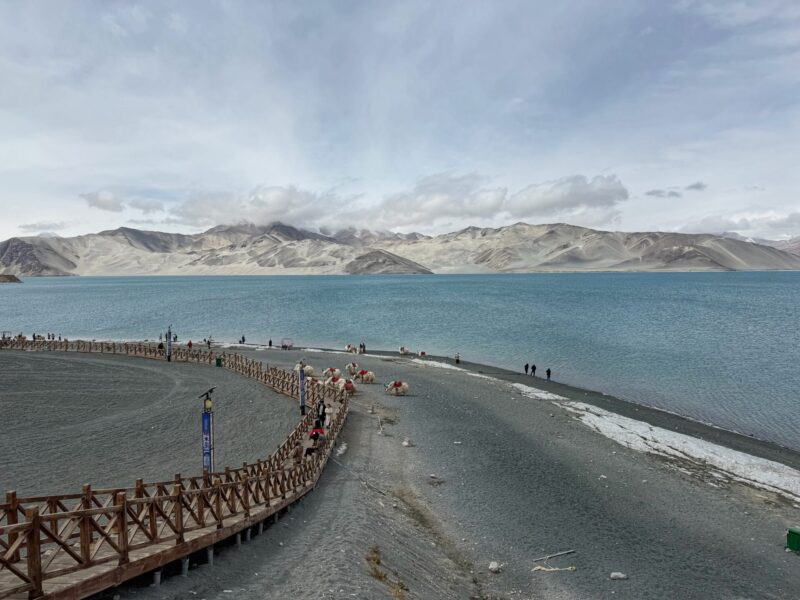
Notable attractions in the Pamir Plateau include Baisha Lake and Mountain, Karakul Lake, and the snow-capped Muztagh Ata peak. You can also explore the Karakoram Scenic Highway, Tashkurgan, Khunjerab Pass, Wakhan Corridor, and experience Tajik culture.
We wrote an extensive travel guide and documented our itinerary for the Southern Xinjiang Pamir Plateau in this blog post. Feel free to read through the details.
Southern Xinjiang Pamir Plateau itinerary: A Travel Guide blog
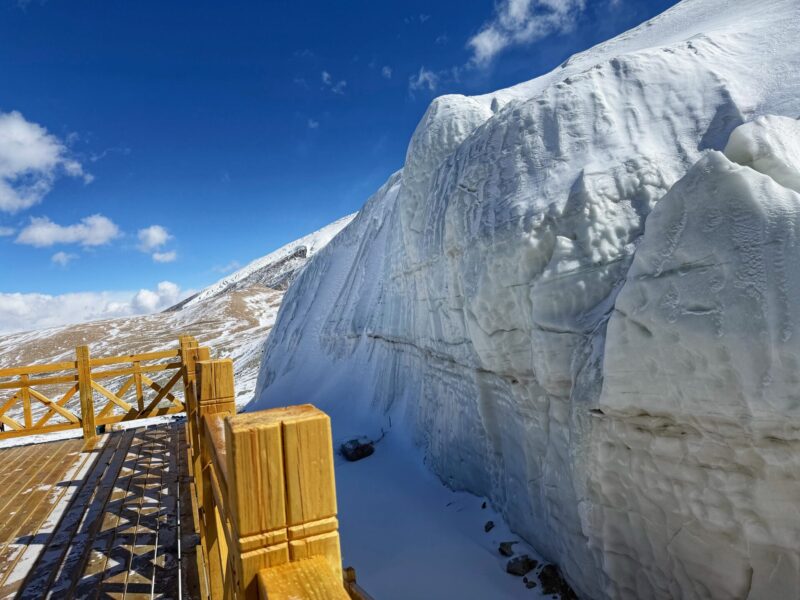
For an immersive experience in this southern loop, we recommend allocating at least 3 days to fully appreciate the beauty of the Pamir Plateau. Having extra days will allow you to explore more of the region.
Southern Xinjiang Travel Guide: Due to the sensitive nature of the area, visitors are required to obtain a border permit to visit the Pamir Plateau in Southern Xinjiang. You will need to apply for a Border Defense Permit (边境通行证).
Cultural Encounter

One of the biggest highlights of visiting Southern Xinjiang is meeting its diverse people. The region is home to several ethnic and linguistic groups, including the Pamiris in the western Pamirs and the Kyrgyz in the east.
Many travelers opt to stay in local homestays to experience the warm hospitality. While this may not be as applicable for foreign travelers, you can still meet various ethnic groups, including Uygur, Tajik, Hui, Kyrgyz, Uzbek, Kazak, Mongolian, Russian, Sibo, and Manchu during your Southern Xinjiang trip.
Important Things to Know before Travelling to Southern Xinjiang
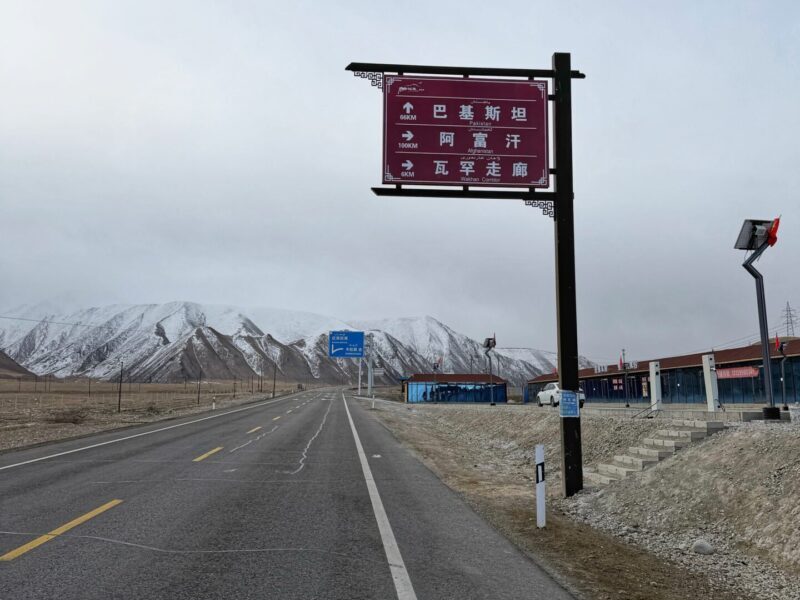
Due to its sensitive location, Xinjiang has a complex and well-documented political situation. The region features significant security measures, including checkpoints, ID checks, bag and phone inspections, and a visible police presence, especially in Kashgar. Avoid discussing sensitive topics, especially those relating to politics.
Some areas near the border crossing, such as the Pamir Plateau region, are particularly sensitive. Visitors are required to obtain a border permit to visit the Pamir Plateau region. You will need to apply for a Border Defense Permit (边境通行证) in Kashgar before your journey. The application is free of charge. Additionally, certain areas, such as the Khunjerab Pass Port of Entry (红其拉甫山口), are restricted to foreigners.
Xinjiang is vast, which necessitates long drives between destinations. Be prepared for some days spent in a vehicle for extended periods. Additionally, some places may lack modern and clean restroom facilities, so it’s wise to be ready for that as well.
Be open and respectful during your visit. Xinjiang hospitality is renowned, so dress modestly, ask for permission before taking photos, and engage with curiosity. Building connections with locals can enhance your travel experience.
Not all hotels in Xinjiang accept foreign tourists. Therefore, it is advisable to book your accommodation through Trip.com. This platform ensures that foreign travelers are accommodated properly.
As always, we recommend booking China’s accommodation through Trip.com.
If your trip to Southern Xinjiang includes high-altitude locations such as the Pamir Plateau, it is advisable to take Chinese medicine or Diamox, which can help prevent and alleviate symptoms of altitude sickness. We will begin taking Diamox when we start our journey through the Pamir Plateau.
Avoid taking a bath on the first or second day after arriving at the high altitude place. This allows your body to acclimate to the high-altitude environment. Bathing on the first day may cause dizziness or fainting due to a lack of oxygen.
Overall: Travel to Southern Xinjiang
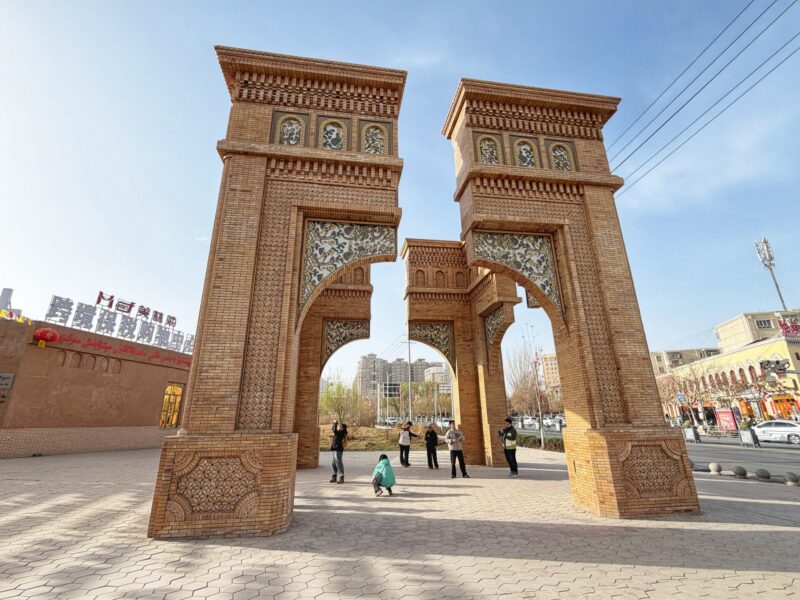
All in all, Southern Xinjiang offers a unique blend of stunning landscapes, rich culture, and unforgettable adventures. It is an ideal destination for travelers seeking experiences off the beaten path, where nature and tradition come alive. With proper planning and an open mind, your travel journey to Southern Xinjiang can be safe, smooth, and truly rewarding. Are you ready to explore this majestic region? Plan your trip to Southern Xinjiang today and discover a world like no other!
Lastly, this Southern Xinjiang Travel Guide blog is part of our travel to the region. Continue reading for more travel stories.