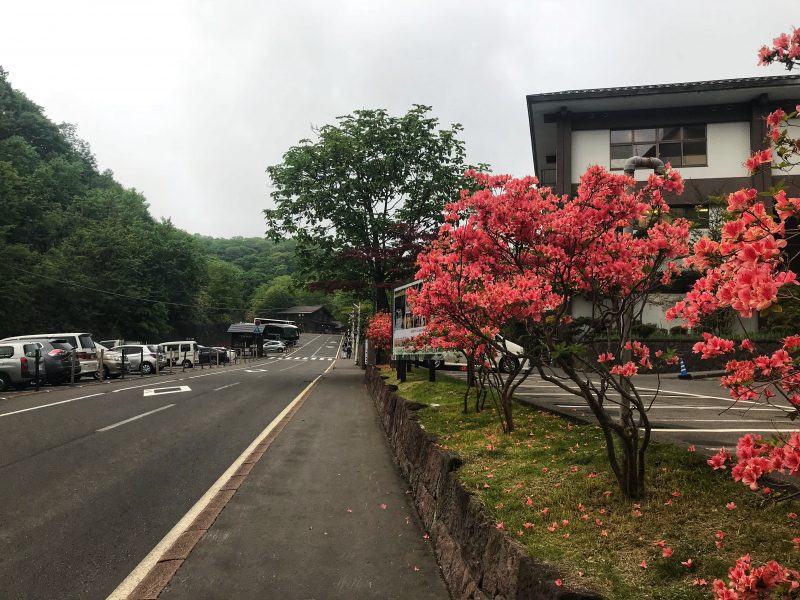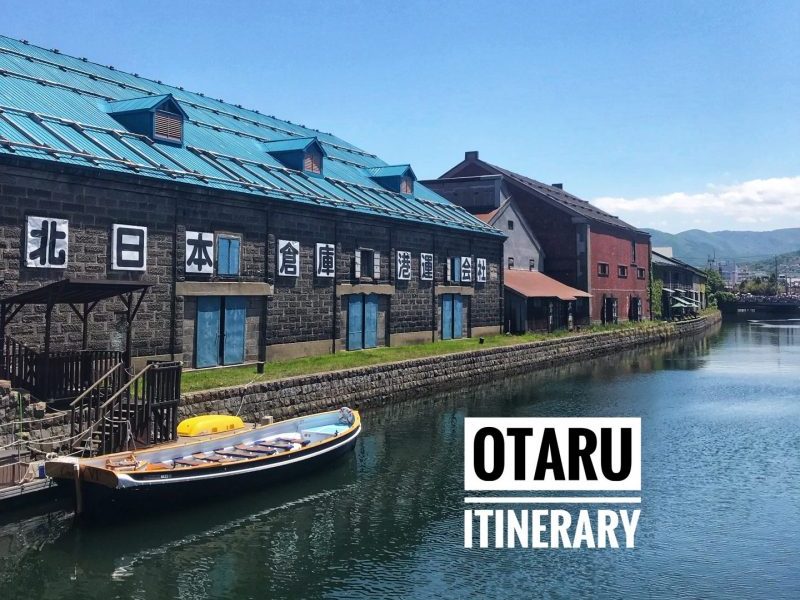
Otaru Itinerary

One Day Otaru Itinerary Travel Guide Blog

posted in: Hokkaido Japan | 0

Last updated on May 16th, 2026

One day Otaru itinerary is an absolute must for any Hokkaido trip at any time of year. There are many things to do and see in Otaru even for a 1-Day trip. It is even perfect to add in a visit to Nikka Whisky Distiller, which located nearby with only 30 minutes from Otaru by train.

Otaru (小樽) is located nearby Sapporo with only 38 km away by 49 minutes of JR train. It is a great sightseeing city with a casual day trip from Sapporo. The European-influenced harbor front city is full of charm with beautifully preserved canal areas and historical buildings.

Take a visit to Otaru Canal to see their beautiful canal and building. Next, wandering around in Sakaimachi street to take a look at their glassware fine art. Or taste the world-famous pastry and dessert. Added, being one of the port cities in Hokkaido, Otaru is famous for its seafood cuisine.

In this Otaru travel guide blog, read on to see how we plan on our Otaru itinerary together with a whiskey tasting at Nikka Distillery within one day.

Getting To Otaru From Sapporo

Otaru is easy to access from Sapporo with several trains per hour. The single train journey will cost ¥640. The journey will take about 30 to 45 minutes depending on the train types.

Planning on Otaru Itinerary

Planning on a 1-day Otaru itinerary together with Nikka Whisky Distiller is doable. Otaru, one of the must-visit cities in Hokkaido is famous for its beautiful canal and historical sightseeing.

However, a full-day trip to central Otaru itself might be too long. So, it is best to include the side visit for your Otaru trip. We choose Nikka Whisky Distiller which nearby located 30 minutes from Otaru by train.

Here is my trip to Otaru and surrounded that we strongly recommended. My visit to Otaru was started with a marvelous seafood donburi at Sankaku market. Next, we proceeded to Nikka Whisky Distiller to know more about Japan’s best whiskey. Keep reading as my second half was back to Otaru. We visited the Otaru Canal, Sakaimachi Street, and Mt. Tenguyama. All are must-visit Otaru attractions when you are getting there.

Otaru itinerary (what to do in Otaru):

  • Have a marvelous bowl of seafood donburi in Sankaku Market
  • Tour the Nikka Whisky Distillery
  • Strolling at Otaru Canal
  • Wandering Around at Sakaimachi Street
  • Panoramic night view at Mt. Tenguyama

Have Marvelous Seafood Bowl in Sankaku Market
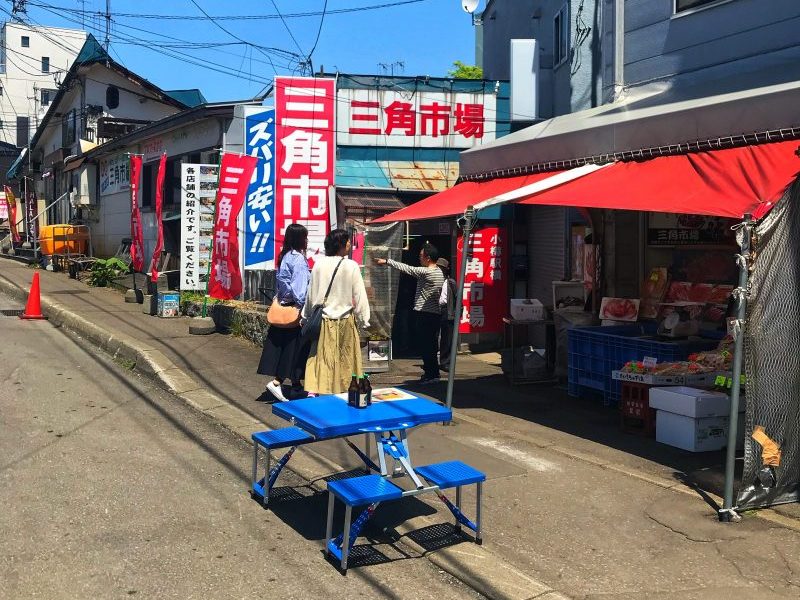
Sankaku Market Otaru

When you are in Hokkaido, you should try the seafood bowls! Most importantly, all the Hokkaido seafood are gathered at the Otaru morning market.

Sankaku Market is one of the best morning market in Otaru. Being near Otaru station, it is very convenient for visitors to experience for Japanese local market.
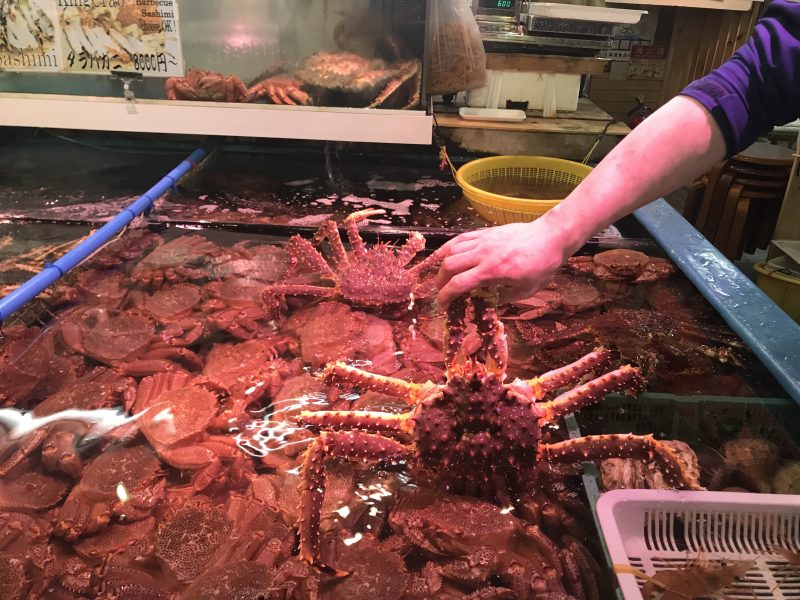
Lively seafood in Sankaku Market

Local produce, vegetables, seafood such as crabs, sea urchins, scallops are selling fresh in Sankakuku Market. Added, there are few dining halls where you can eat superb fresh seafood like sashimi, seafood bowl, and other dishes.

Generous Seafood Bowl at Ajidokoro Takeda
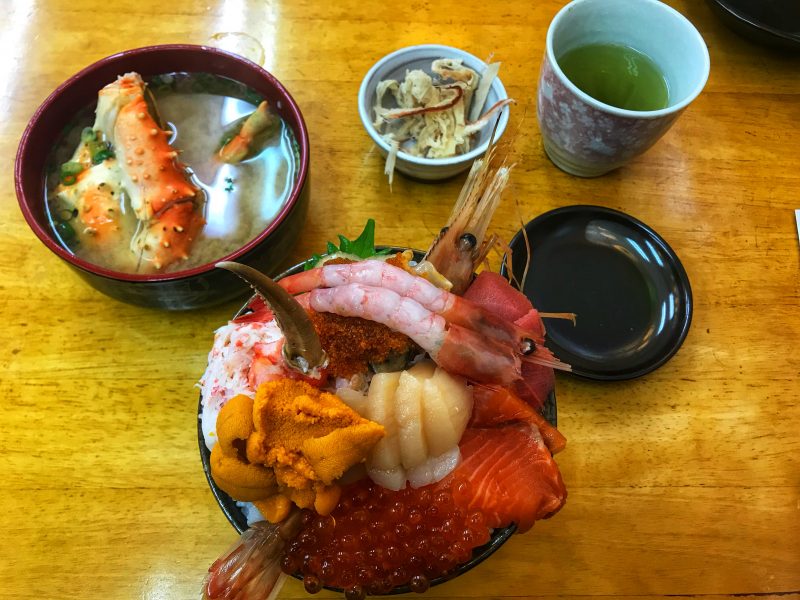
Seafood bowl in Ajidokoro Takeda

Sankaku Market is my first stop for the Otaru day trip. It is a great place to have a fabulous fresh seafood bowl! We visited the Ajidokoro Takeda to try on their seafood bowl. This restaurant is a small shop located in the middle of the alley. You hardly can’t miss it when you pass by. It is a pretty small shop but full of local taste.

Our seafood bowl is so delicious with a generous portion of seafood on rice. The complimentary soup comes with crab legs and tastes extremely fresh. Another complementary side dish, dried squid strips infused with squid ink also tastes good. Price is reasonable and indeed less expensive than the restaurants at the Curbside Wholesale Market. We highly recommended it.

Getting to Sankaku Market: The nearest entrance is on your left side after out from Otaru station. Follow the stepped pathway and you will see the entrance. Opening Hours from 7:00 to 17:30 daily.

Related Article: Otaru Food Guide – Seafood Donburi at Sankaku Market

Tour The Nikka Whisky Distillery
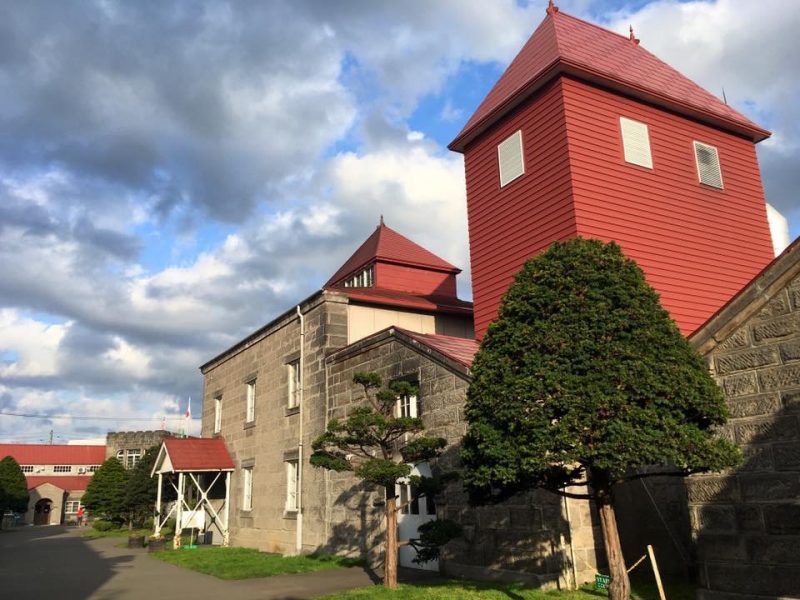
Nikka Whisky Distillery

Next, we were headed to Nikka Whisky Distillery to know more on their world-class whiskey. Nikka Whisky is one of Japan’s top whiskey makers and very popular among the whiskey lover. It has been recognized to rank among the world’s best single malt whiskeys. Their main distillery in Yoichi is located in about 25 minutes by local train from Otaru.

From Otaru Station, we took the short train ride to Yoichi. The Yoichi Station can be reached in about 25 minutes by local trains with ¥360. Once you get out from the station, Nikka Whisky Distiller is easily reached with about 200 meters from the station.
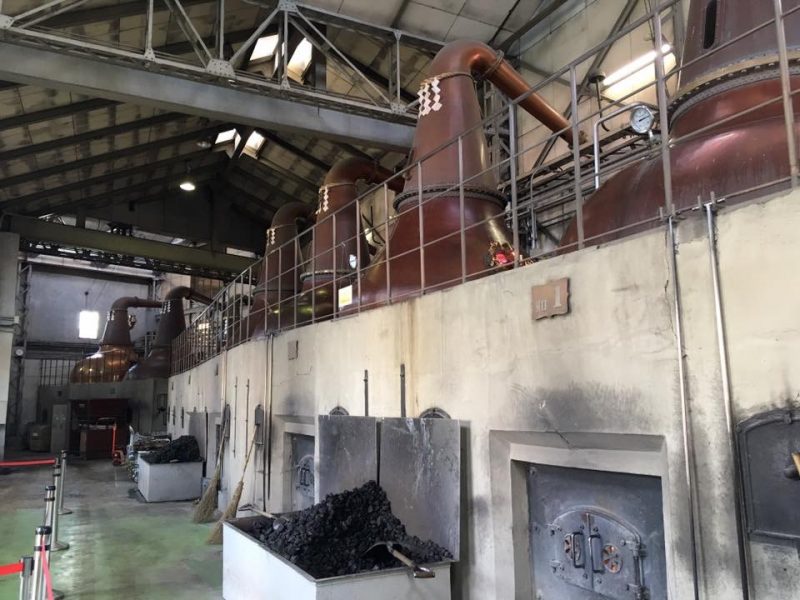
Touring Nikka Whisky Distiller

A free tour is only available in Japanese. However, a self-guided tour with an excellent brochure will lead us through various displays and information. It allows the visitor to follow the whiskey process from start to finish.

Added, you will find out all about Masataka Taketsuru, founder of Nikka and his wife, Rita, how they succeeded through difficulties. There is free whiskey tasting at the end of the tour; consisting of three generous served of whiskey.
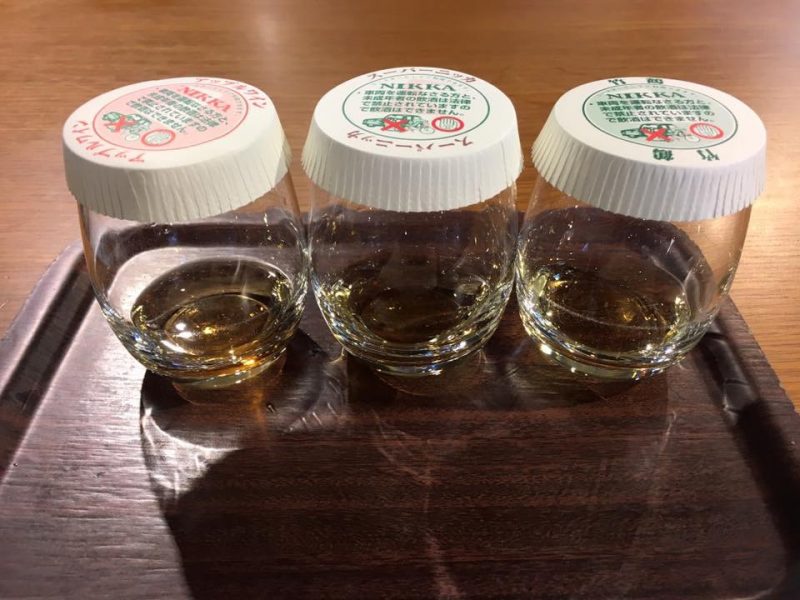
Free Whisky Sample from Nikka Whisky Distiller

There is free whiskey tasting at the end of the tour; consisting of three generous served of whiskey.
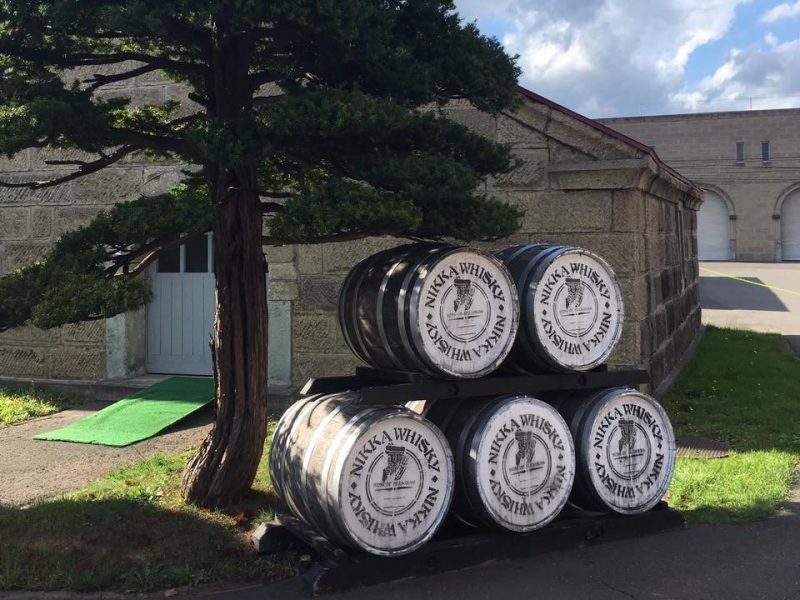
Beautiful Display in Nikka Whisky Distiller

Overall, the trip to Nikka Whisky Distillery took about 2 to 3 hours including the wine tasting. If you have some time to spare while visiting Otaru, please pay a visit to Nikka distillery. It is an interesting place with an information trip to Nikka Whisky Distiller.

Getting to Nikka Whisky Distiller: Take the 25 minutes local trains from Otaru at ¥360. From Sapporo, the one-hour train journey will cost about ¥1070, with a one-time transfer at Otaru.

Strolling at Otaru Canal
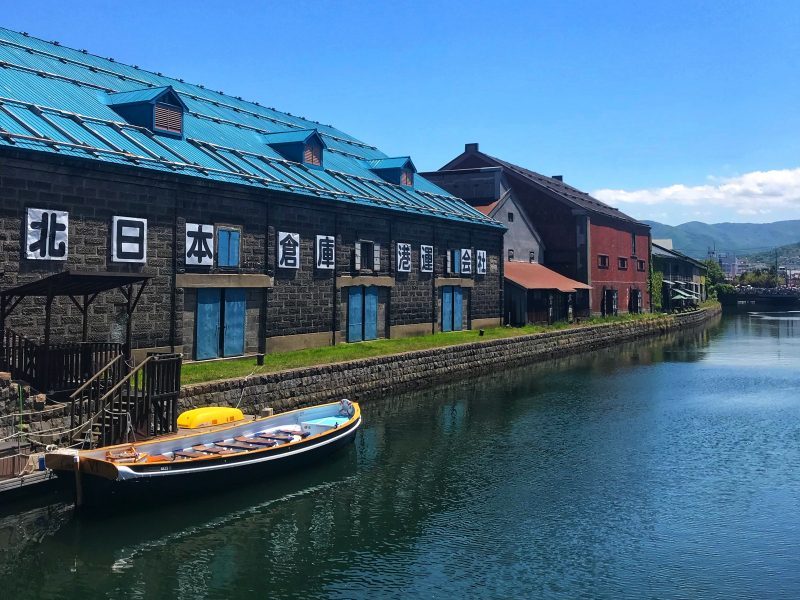
Otaru Canal
Otaru Canal

After the trip to Nikka Whiskey Distiller, we back to Otaru and proceed with our Otaru itinerary. Our next attraction at Otaru Canal. The Otaru Canal is one of the city’s historical quarter. It is a lovely scene that represents Otaru and popular spot when visiting Otaru. Visitors can choose to take the boat ride mesmerized the beautiful canal and building.

Cost for boat ride at ¥1,500/¥1,800 per person for day/evening trip.
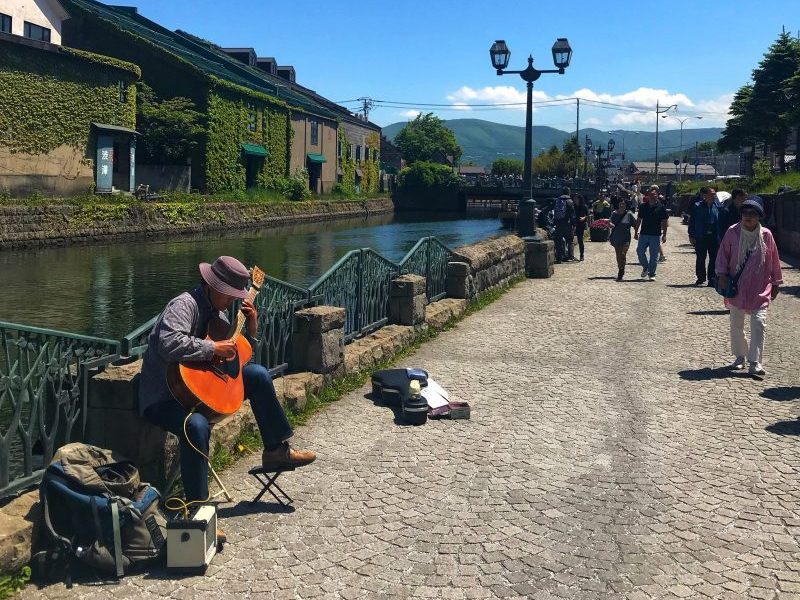
Strolling along the Otaru Canal

There is a nice walkway along the canal. It is one of the best ways to spend time with leisure walk. Enjoy strolling along the lovely scenic Otaru Canal. The whole journey took about less than 1 hour. Nothing spectacular. However, for first-time visitors, Otaru Canal probably one of the must-visit when visiting Otaru. A great place to experience the old Japan.
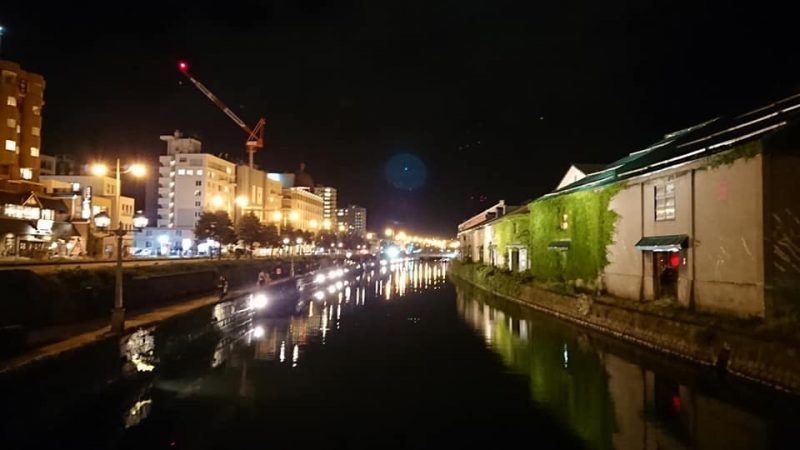
Night View in Otaru Canal

We walked the canal during the morning and then return to see it during the night. Otaru Canal is even prettier at night when lights up.

Getting to Otaru Canal: Get off from JR Otaru Station and walk along the business street, Chuo Dori toward the Otaru Port. The walking journey is about 10 minutes.

Wandering Around at Sakaimachi Street

Continue the walking journey to Sakaimachi street after a pleasant walk along the canal. Sakaimachi Street is a well-preserved merchant street with western influences. So it is not surprising to see most of the buildings are in Western-style, constructed by stone and wood.

Nowadays, many of the buildings are converted into restaurants, cafes, souvenir shops, and museums. There is a wide range of shops along Sakaimachi Street awaiting you to explore.
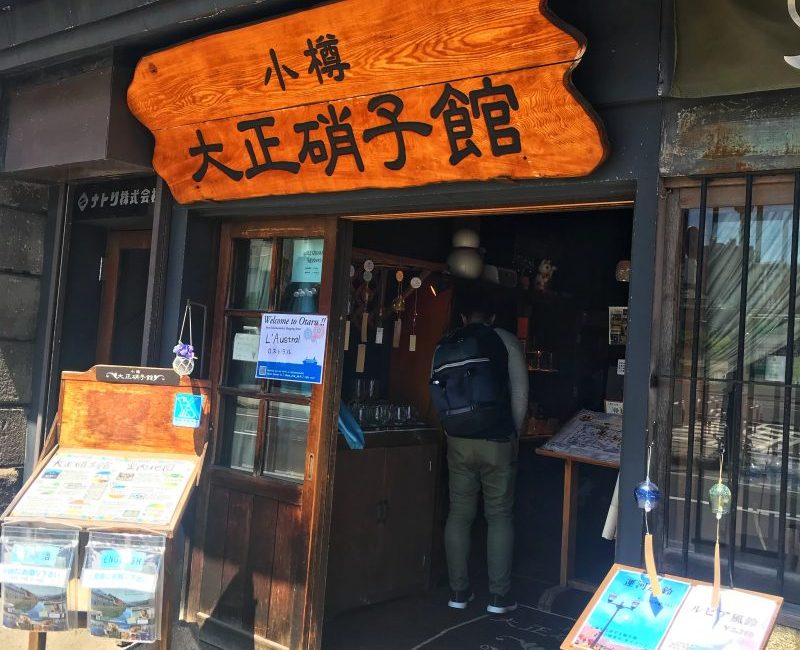
Kitachi Glass
Kitachi Glass

Otaru is famous for glassblowers artwork. It is great to spend some time to admire the gorgeous artwork.

Kitachi Glass probably is the most famous glass shop with three or four stores in Otaru. You can get the beautiful glassware such as lamp, dripless shoyu bottles, sake sets, jewelry at the highest quality. Well, prices reflect the craftsmanship and quality too.
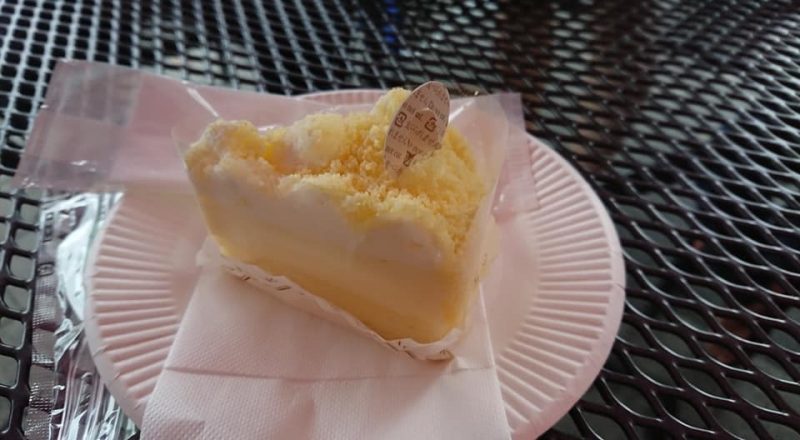
Double Fromage from LeTao

Next, get ready for ice cream, cheesecakes, and desserts. Sakaimachi Street is heaven for a sweet tooth!

One of Japan’s world-famous dessert shop, LeTao sell different type of cheesecakes, cakes, and sweets. LeTao has more than three stores on Sakaimachi Street. The “Double Fromage” is one of their well-known product.
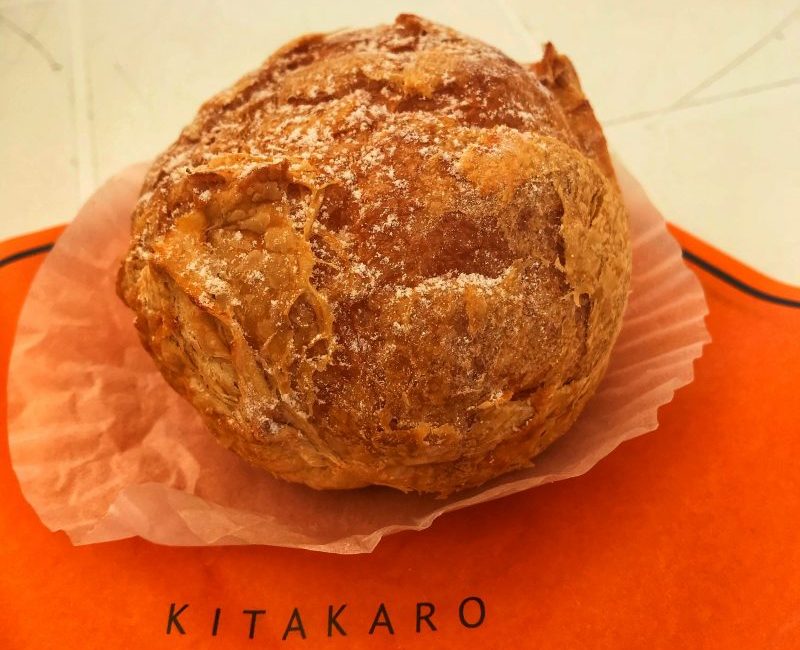
Kitakaro Cream Puff
Kitakaro Cream Puff

Kitakaro Pastry Shop is famous for the Baumkuchen. Their Kitakaro Cream puffs are also one of the top picks for visitors.
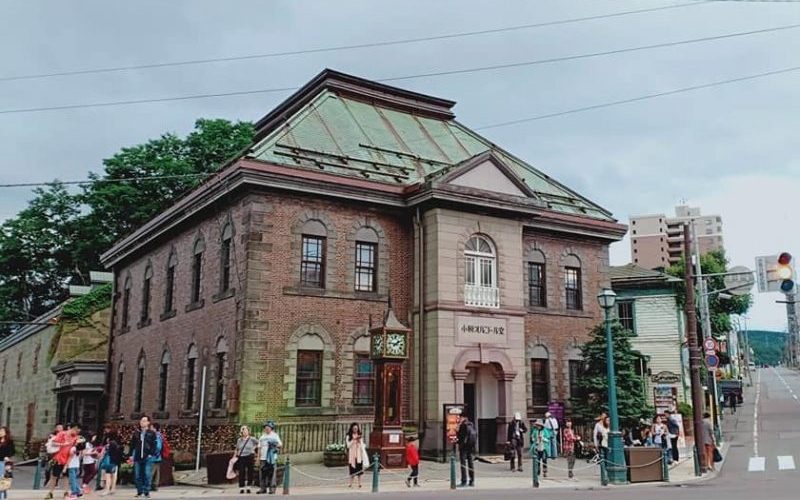
Otaru Music Box Museum

There’s also a charming Music Box Museum with free admission near the end of Sakaimachi Street. This museum houses a nice collection of antiques and music boxes in various sizes.

Getting to Sakaimachi Street: Short walking distance from Otaru Canal. Alternative, it required a ten-minute walk from Otaru Station.

Panoramic Night View From Mt. Tenguyama
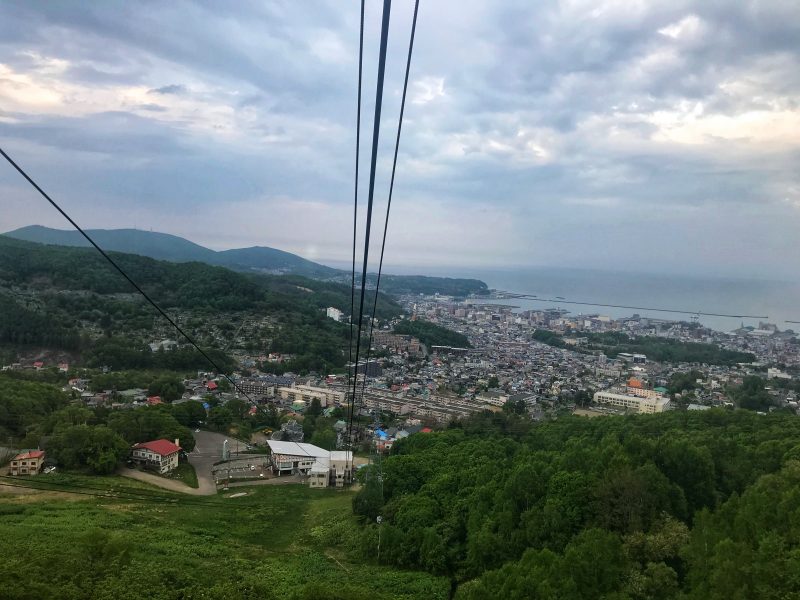
Ropeway to Mt. Tenguyama

Lastly, we ended our 1-day Otaru itinerary for an amazing night view. We went to Mt. Tenguyama to see the panoramic view of Otaru city. Night view from Mt. Tenguyama is especially famous. It is rated as one of the top three best night views in Hokkaido together with Mt. Hakodateyama (函館山) and Mt. Moiwayama (藻岩山).

Mt. Tenguyama is easily reached from Otaru bus station. Take the Chuo bus from platform 4 with ¥220 for a single journey. The bus ride took about 25 minutes to the Tenguyama ropeway bus stop. It is also the last stop where you can take the ropeway to the top of the mountain.

You may consider to get the Mt Tengu Ropeway Roundtrip Ticket from Klook with exclusive coupon discount for shopping and dining there.
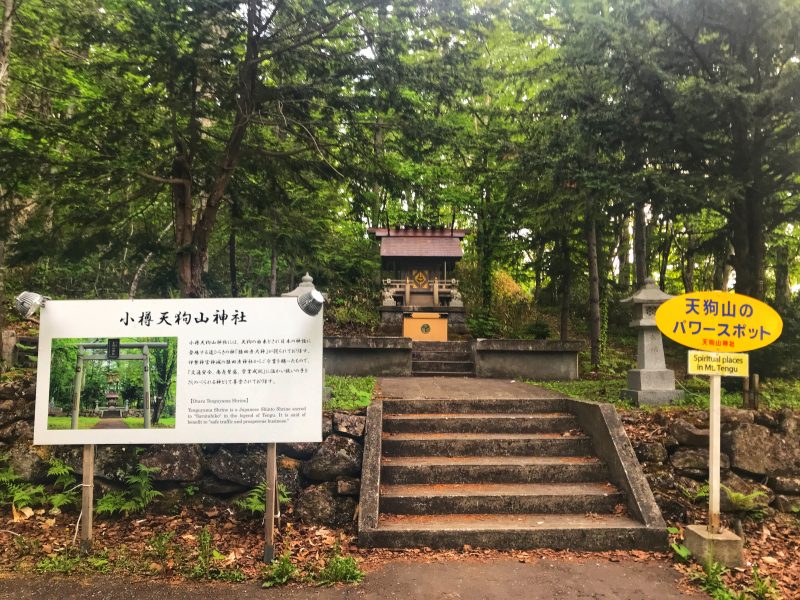
Tenguyama Shrine
Tenguyama Shrine

There is a small park with little shrine and playground for getting around. You can also enjoy a meal with a beautiful scene at the restaurant with a big lookout window.
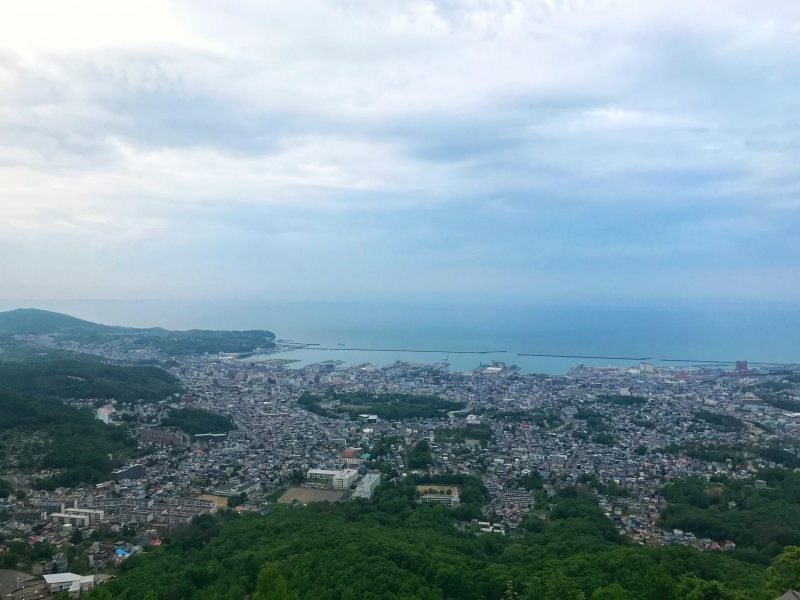
Panoramic view from Mt. Tenguyama

However, the fascinating view is from the top observation platform. It was stunning with a panoramic view of Otaru port and the Ishikari Bay.
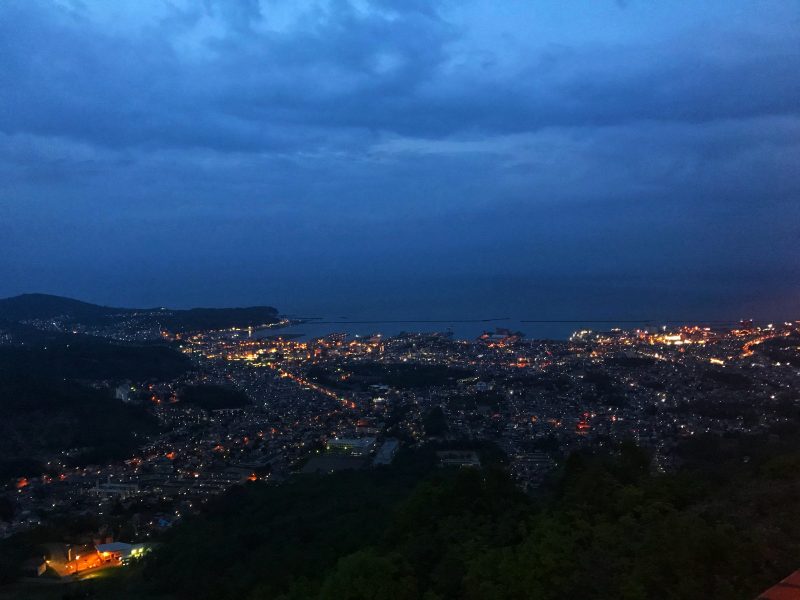
Night View from Mt. Tenguyama

The Otaru night view from Mt. Tenguyama was beautiful. Personally, we all agree that the night view from Mt. Hakodate is more impressive. But, for sure Mt. Tenguyama is another great choice for relaxing with the best view when visiting in Otaru.

Getting to Mt. Tenguyama: Board the Chuo bus from Otaru bus station which located right in front of JR station. The bus journey took about 25 minutes to reach the Tenguyama ropeway bus stop. Proceed for the 5 minutes ropeway will get you to the summit.

Where To Stay in Otaru

It is very convenient to take the JR train to Otaru from Sapporo. Most people will prefer to take a day trip from Sapporo without an overnight in Otaru. However, we planned to visit Cape Kamui in Shakotan for the next day. Staying in Otaru will be more convenient for Cape Kamui visit instead of Sapporo. As a result, we stayed in Smile Hotel Otaru for one night in Otaru.

If you are looking for accommodation in Otaru, check out our recommendation here:

Smile Hotel Otaru: First choice for budget travel with western and Japanese type room for selection. The location is superb with 3 minutes walk from Otaru JR station.

Dormy Inn Premium Otaru: Another fabulous chain hotel in Japan. Excellent location which is 2 minutes walking distance from the JR station. Comfort room with professional staff. Added, the best about staying in Dormy Inn is your stay comes with complimentary soba as supper and in-house public hot bath access. 

Hotel Nord Otaru is a great option for those who prefer to stay at Otaru center. It is located just opposite of Otaru Canal and short walking distance to Sakaimachi street. Added, 7 minutes walk will get you to Otaru Station. Spacious room with a comfortable bed. Great value for money.

Otaru Travel Tips

What is Otaru known for?

Otaru is well-known as an European-influenced harbor front city is full of charm with beautifully preserved canal areas and historical buildings.

Is Otaru worth visiting?

Definitely worth a visit to Otaru when you’re traveling in Hokkaido. Travelers are charmed by its atmosphere and beautifully preserved canal area.

How far is Otaru from Sapporo?

The journey from Sapporo to Otaru by train takes about 30 to 45 minutes depending on the train types.

How long it takes to visit Otaru?

Otaru is perfect for a day trip from Sapporo with 4 to 5 hours of visiting.

Overall: My 1-Day Otaru Itinerary

Otaru is a relaxing city for a leisure day trip from Sapporo. It depends on your Otaru planning. Most people are spending half-day for short visits and food in Otaru without overnight. But we did include the side visit to Nikka Whiskey at Yoichi which only 30 minutes away from Otaru by local train. Added, we stayed in Otaru as we were planned for a day trip to Shakotan Peninsula: Cape Kamui which is best to visit during Summer.

Hopefully, my Otaru travel blog provides some of the ideas on what to do and eat in Otaru when visiting. There are many interesting things to do in Otaru for your 1-day trip.

Lastly, this Otaru itinerary is part of our Hokkaido travel post. For more detail for the best place to visit in Hokkaido from day by day including:

How To Plan Your Hokkaido Trip On Budget: Travel Guide, Itinerary & Money Saving Tips!
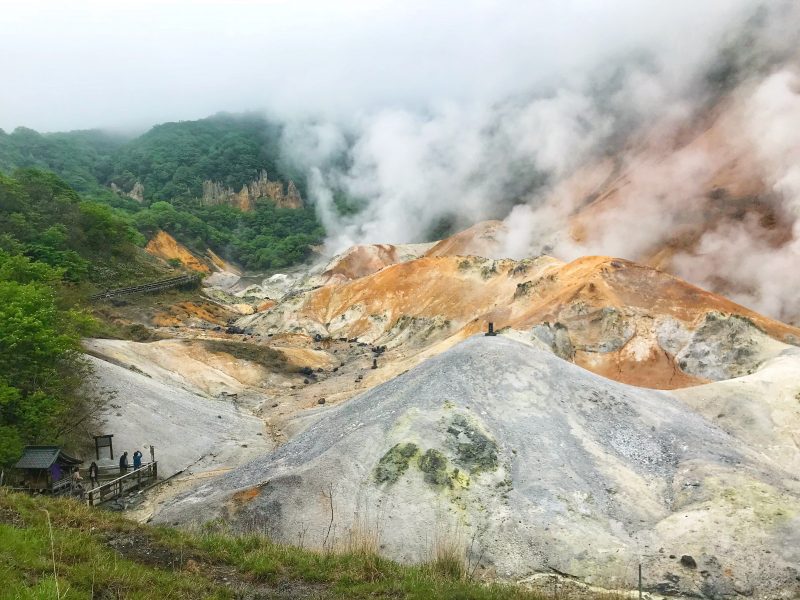
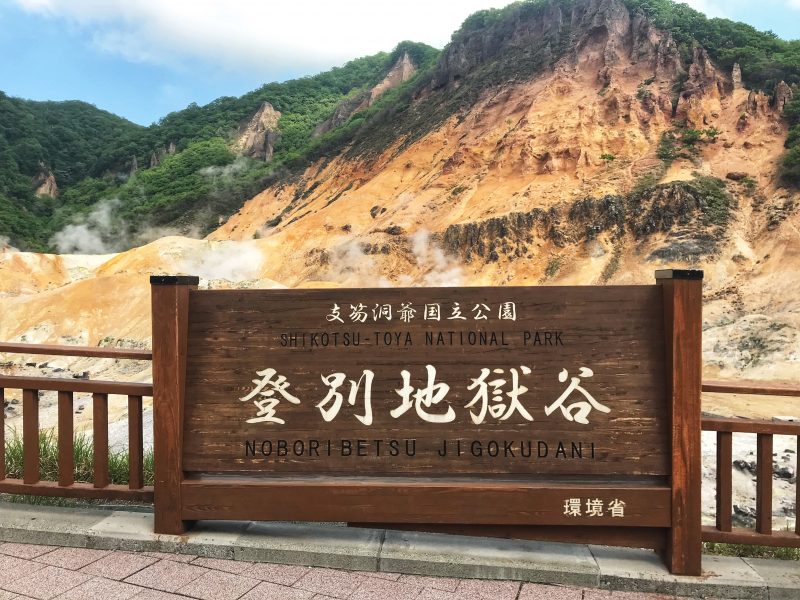
Jigokudani aka Hell Valley

Noboribetsu Itinerary: A Travel Guide Blog for Best Onsen

posted in: Hokkaido Japan | 0

Last updated on May 16th, 2026

See how we plan and enjoy on 2 days 1 night stay Noboribetsu itinerary. A travel guide blog to onsen heaven packed with spectacular volcanic sights, abounding in nature and rich in culture.

Noboribetsu (登別) is Japan’s most famous hot spring resort town and well known for its natural hot springs water. Thanks to Jigokudani, which also known as Hell Valley. A geothermal wonder volcanic valley situated just above the town. Most importantly, it is the main source of all year warm natural hot spring.

Noboribetsu is reputed as one of the best therapeutic hot spring waters in Japan. Their 7 types of hot spring water are boosted by a variety of different minerals such as sulfur, calcium, sodium and more. The natural hot spring water is very efficient for therapy treatment. It is good for blood circulation, healing skin problems, pain relieve and others. As a result, my eczema trouble me for the past 2 years has cure by the amazing hot spring water.

However, Noboribetsu is not only known for its natural onsen. That is to say, there are many more exciting things to do in Noboribetsu awaiting you to discover. Continue read on my Noboribetsu travel blog. I will introduce where to stay, what to do and eat in Noboribetsu.

How Many Days in Noboribetsu

Noboribetsu is a great place for onsen and relaxing. Staying one night in Noboribetsu is well-worth. This place is great whether you are planning for a natural onsen bath at ryokan or resort, or admire the geothermal wonders at a closer view. Day trip to Noboribetsu is doable. However, this onsen paradise is worthwhile for at least one night stay.

It’s even ideal staying at Lake Toya and Noboribetsu one night each. These two places are nearby with only 40 minutes’ distance by express train. Added, these two places have many attractive things to do and getting around.

Planning for Noboribetsu Itinerary

You may be wondering what to do in Noboribetsu other than enjoy for hot spring bath. My main reason for visiting Noboribetsu is mainly for our hot spring experience in Hokkaido. But we never expected Noboribetsu is so much lively and fun.

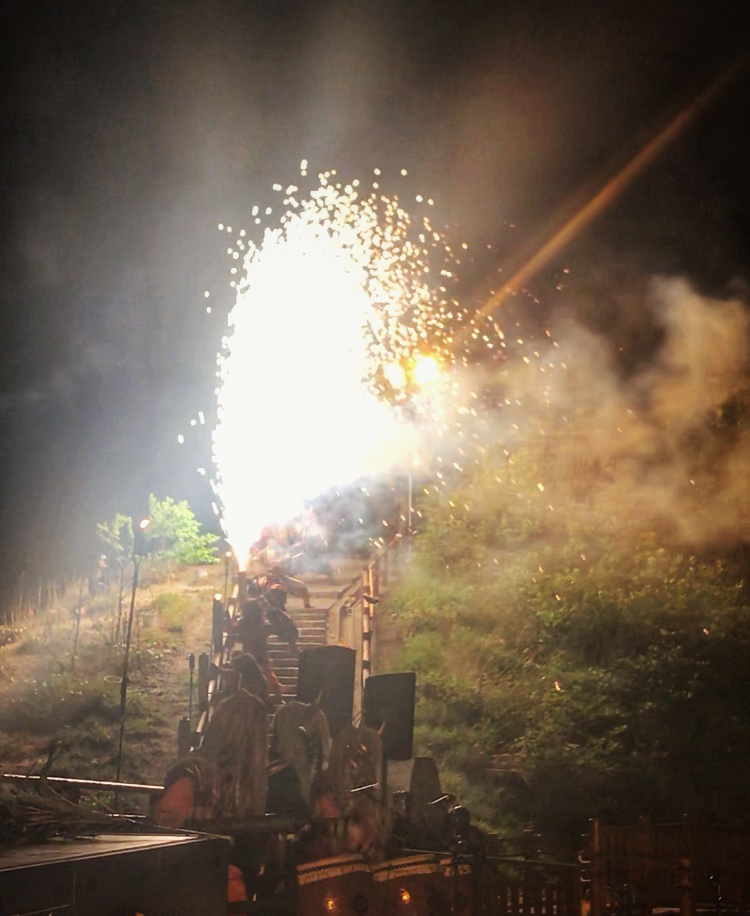
Firstly, we enjoyed our geothermal adventure to Jigokudani, aka Hell valley. Added, we further our hike to Oyunuma and Okunoyu Pond. These two crater land are created by volcano activities. Lastly, the hiking journey ended in nearby Oyunuma River Natural Footbath with natural hot spring water in the forest. Besides, we joined the Demon’s fireworks in Hell Valley with fantastic fireworks and fiery sparks at night. This event is started from early June to the end of July.

Here is the overall of my Noboribetsu itinerary:

  • Getting to Noboribetsu from Lake Toya and check in to Noboribetsu hotel
  • Visit the Jigokudani Hell Valley (Must visit in Noboribetsu)
  • Get closer to geyser, called “Tessen Ike”
  • Short hike to Oyunuma Pond and Okunoyu Pond
  • Dipped your foot into Oyunuma Natural Footbath
  • Back to Noboribetsu onsen town. Quick visit to Sengen Park for geyser erupting
  • Enjoy the best therapeutic hot spring bath in Noboribetsu
  • Join the Demon’s Fireworks (Oni-Hanabi) at night (Noboribetsu Summer Festival)

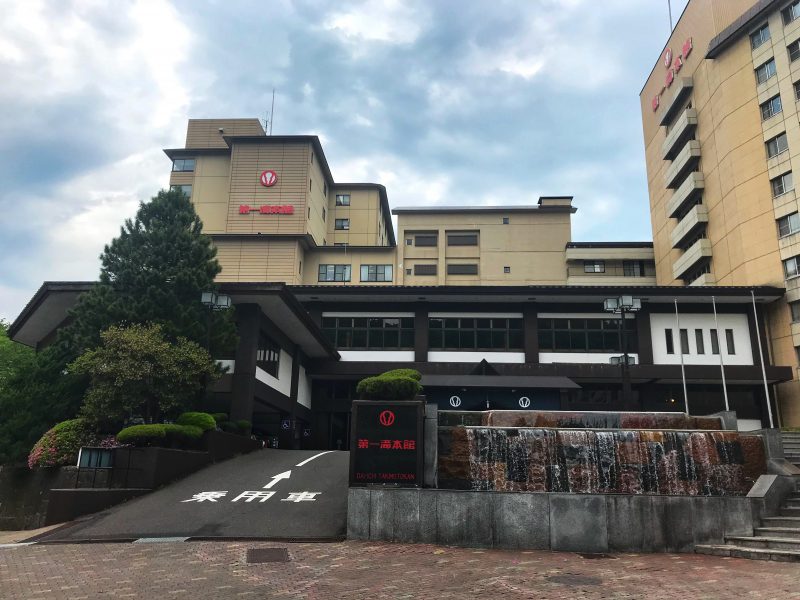
As above, there are so many things to do and see in Noboribetsu. My 2 days 1 night stayed in Dai-ichi Takimotokan, Noboribetsu was full of fun and excitement. 

Top 8 Things To Do in Noboribetsu

Most of the things to do in Noboribetsu revolve around the awesome volcanic Hell valley, Jigokudani. This natural geothermal wonders is a great start for Noboribetsu itinerary.

1. Jigokudani aka Hell Valley

Jigokudani’s observation platform

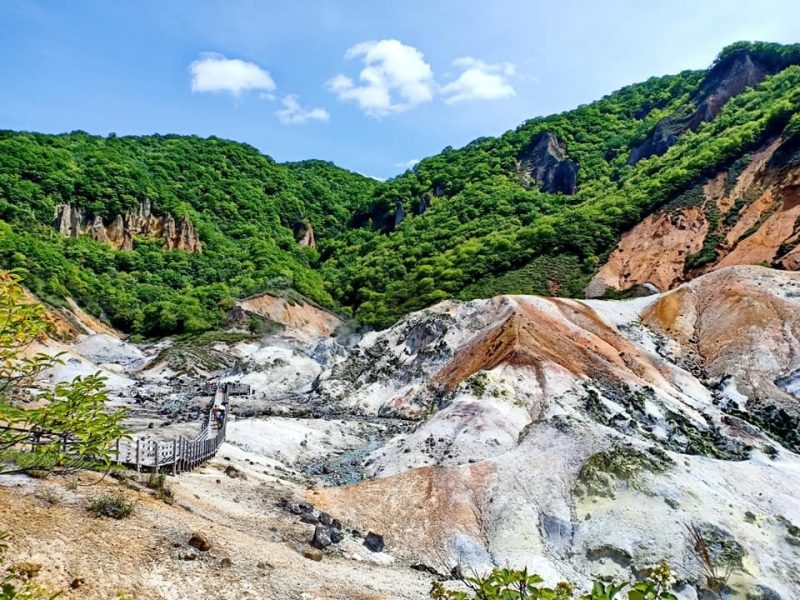
Jigokudani, also known as Hell Valley is the must-see for visitors to the Noboribetsu. It is an explosion crater of Mount Kuttara. The largest source of hot spring water to town, supplied by the valley with hot sulfurous streams all year long.

It is a great place to witness and experience the power of hot springs gushing out of volcanic craters!

Slow walk to Hell Valley

We departed from Lake Toya to Noboribetsu with express train. From Noboribetsu station, it required to take the 40 minutes bus to onsen town. After dropping our luggage at the hotel, it’s time to head up to Jigokudani for volcanic experience.

Our hotel, Dai-ichi Takimotokan is located at the end of Gokuraku Dori Shopping Street. Turn left and proceed our walk to Jigokudani.

Firstly, a large sign with red and blue demons welcome you at Onibokora. It is also a popular photo spot in Noboribetsu! Continue your walk with a slightly uphill walking path to the entrance.

Jigokudani aka Hell Valley

Once there, the strong sulfur smell permeating the entire valley. There is a large viewing platform for spectacular volcanic sights.

Enjoy the breathtaking view of the volcanic valley landscape of yellow and orange volcanic rock. The hot steam is kept rising from the crater. It was impressed to visible signs of volcanic activity bubbling just below the surface right in front.

Added, Noboribetsu Visitor Center and restroom are located at the entrance. You can have the souvenirs, sightseeing brochures and tourist information at the center. Snow boots also can be rented here if you coming during winter.

2. Geyser in Jigokudani, Tessen Ike

Wooden Walkway To Tessen Ike

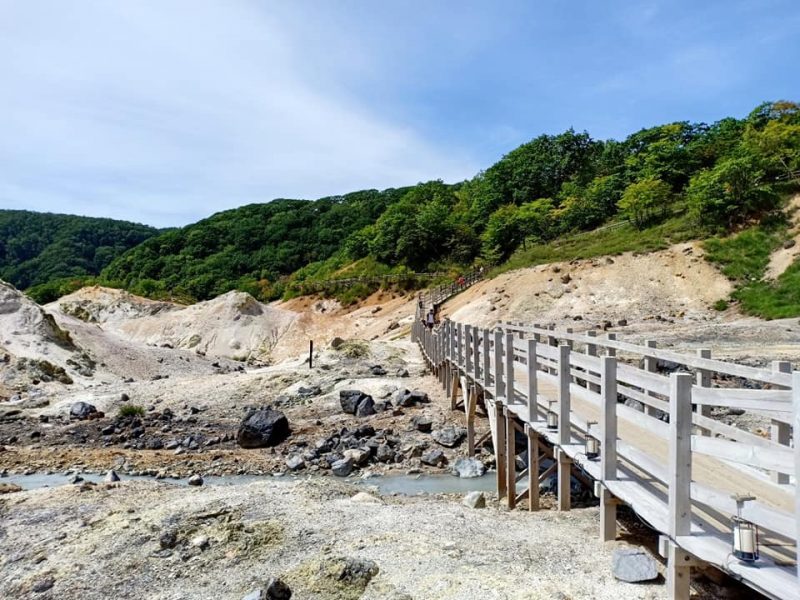
You can get closer to the center of Jigokudani to the geyser, called “Tessen Ike”. Just follow the wooden walkway to Tessen Ike with about 10 minutes walk.

The sulfur-smelling steam rising from all around makes this place seem like hell. It can be rather warm during mid-afternoon with hot sulfurous steam surrounded.

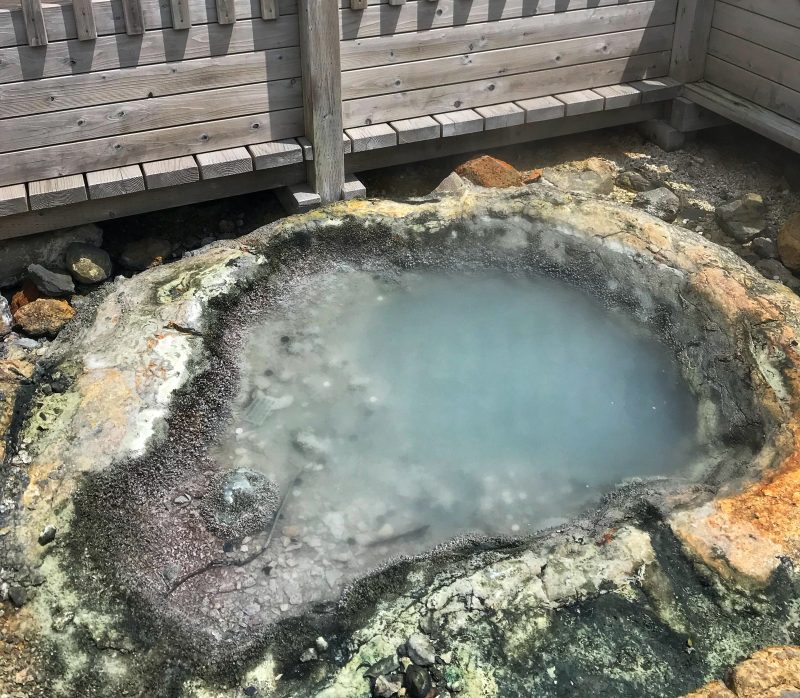
Tessen Ike
Tessen Ike

The Tessen Ike is located at the end of the walkway. Hot boiling water bubbles up from time to time at irregular intervals.

It is one of the hot spots. Many people were surrounded at the observation rail to watch for this scene.

Walkway through Jigokudani

The actual hike through Jigokudani doesn’t take long with one to two hours. But, it one of the must-visit when planning out what to do in Noboribetsu.

A great opportunity to get so close with the geothermal wonder in Noboribetsu!

3. Oyunuma And Okunoyu

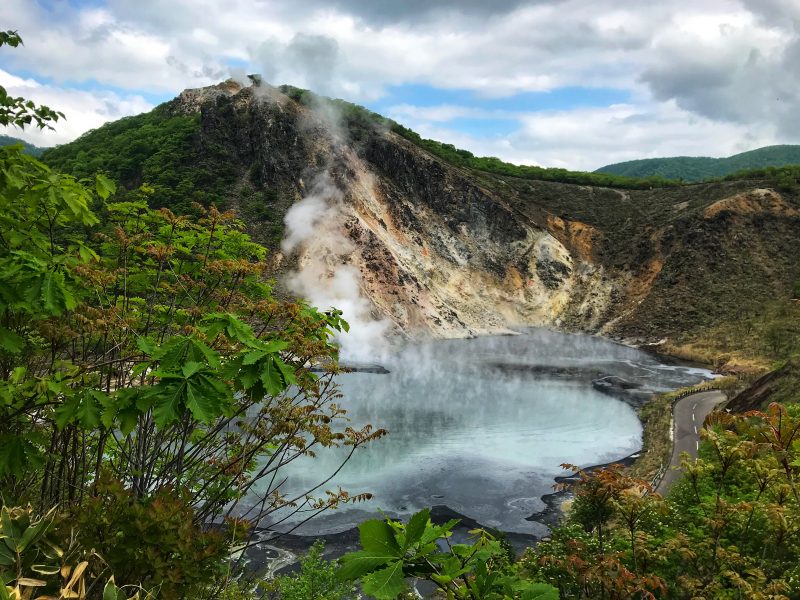
Oyunuma View From Above

Continue the thermal geography journey to Oyunuma Pond and Okunoyu Pond. Both ponds are part of the Noboribetsu’s best scenery, created by the eruptions of the Kuttara volcano activities.

From the visitor center, we took another 30 minutes hike to the lakes. It is a relaxing stroll into the hill and forest, along with well-marked trail. Enjoy the forest bathing along the way.

Added, you can have a view on Oyunuma from above when you’re walking along the trail.

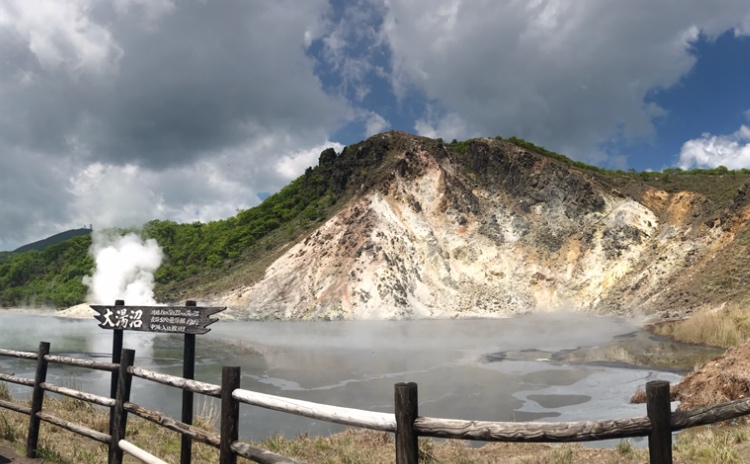
Oyunuma
Oyunuma

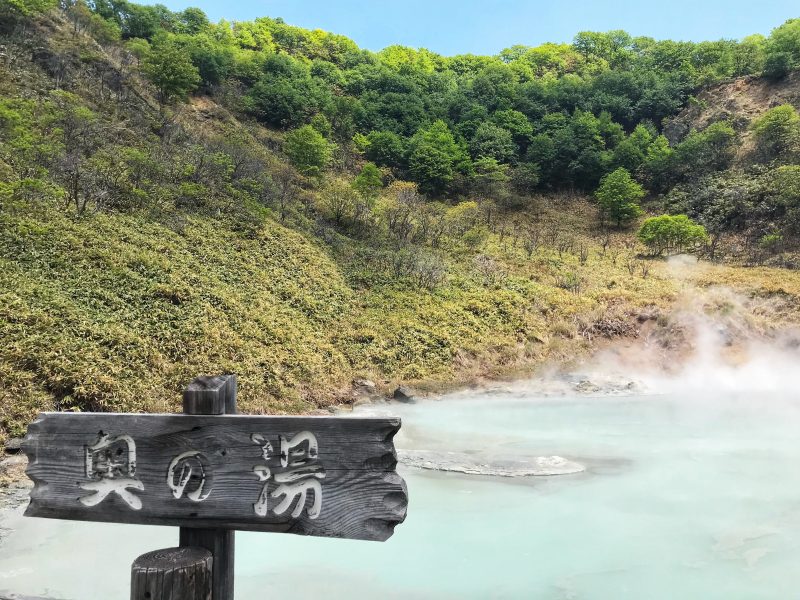
Oyunuma and Okunoyu are located next to each other. The hot springs water from Mt. Hiyori cratered well into these two ponds. Both are sulfurous crater pond, created by a volcanic eruption and still active today.

Oyunuma is a place where you can feel the power of the earth. The hot spring water keeps bubbles up and the surface temperatures can go up to 50 degrees celsius.

Okunoyu
Okunoyu

Likewise, the greyish-blue waters in Okunoyu create a scene to behold. You’ll feel the heat by just stand on the observation deck.

A great experience to get closer to the volcanic lake. The 30 minutes hike to Oyunuma and Okunoyu is well-worth.

4. Oyunuma Natural Footbath

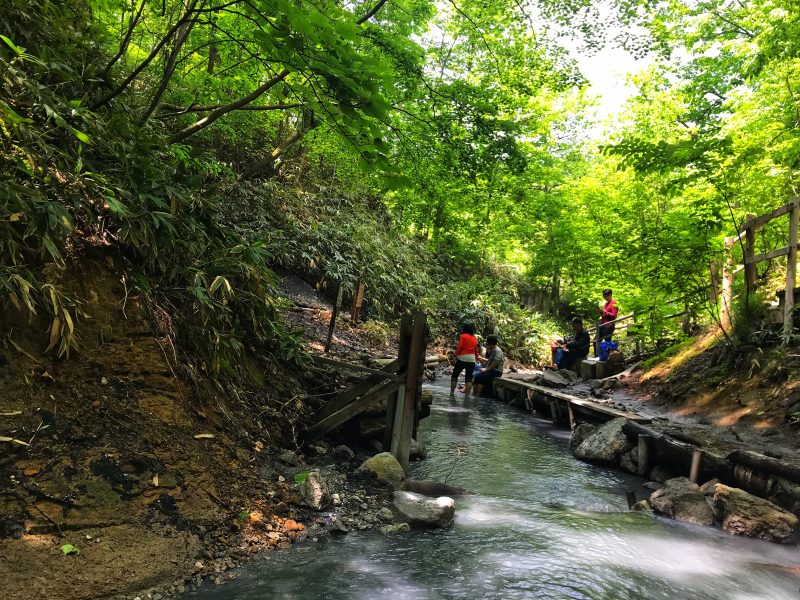
Oyunuma Natural Footbath

The hot water from Oyunuma flows into the Oyunuma River (Oyunumagawa). Follow the river through the woods, you will get into the natural foot bath at Oyunuma Natural Footbath.

A special treat for your feet after the little hike. Dip your feet into the free-flowing natural spring waters and soft black sand. This natural outdoor footbath is one of the unique experiences in the misty forest.
Soft reminder, please bring your towel to dry your feet after gangling your feet.

Soft reminder, please bring your own towel to dry your feet after gangling your feet.

5. Sengen Park

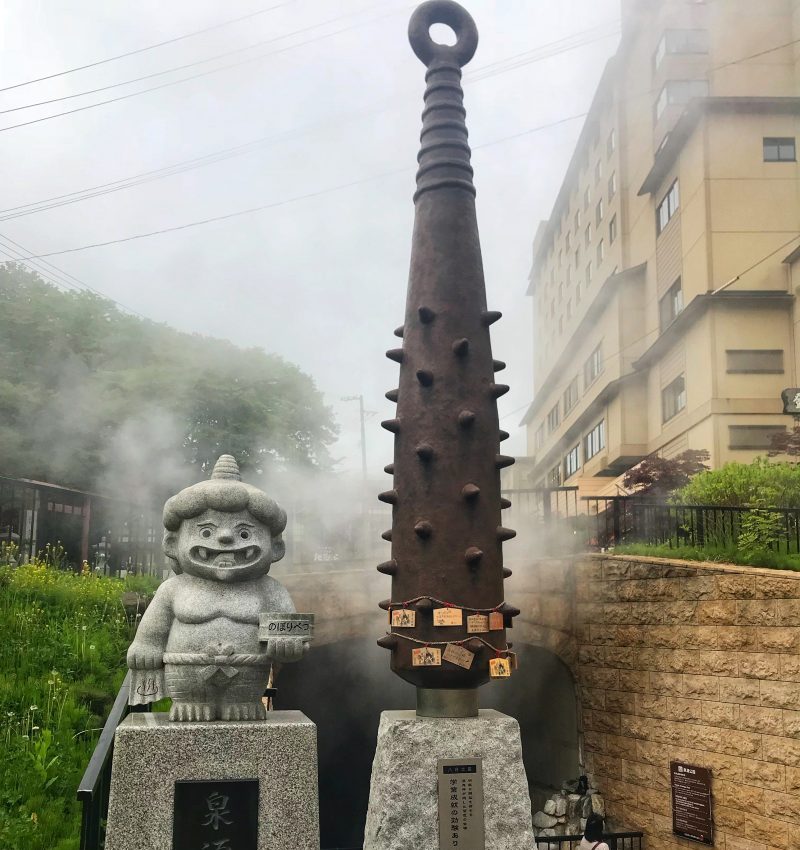
Demon Statues in Sengen Park

We dropped by Sengen Park while on the way back to our hotel, Dai-ichi Takimotokan. Sengen Park is a little cemented park right in front of the hotel. Meet the Demon statues and geyser hidden below the road.

The geyser keeps erupting periodically every three hours and spouting the water out from the cave. We were lucky as it is the timing for eruption when we passed by. Strong cloud of steam from the geyser with rumbling sound.

Overall, a good few minutes stop to catch the geyser.

6. Natural Hot Spring Baths

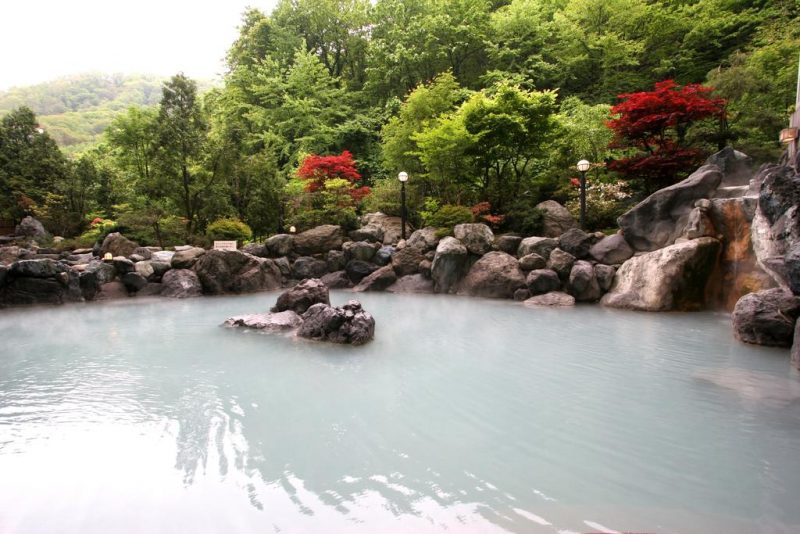
Outdoor Onsen Bath in Noboribetsu
Outdoor Onsen Bath. Photo from Hotel Mahoroba

The best Noboribetsu itinerary is incomplete without experiencing a traditional Japanese hot spring bath. Almost all the accommodation such as resorts, hotels, ryokan come with their indoor or outdoor onsen. Hot spring bath is the main reason for visiting to Noboribetsu.

We ended our hike and back to Dai-ichi Takimotokan for the onsen bath before our dinner. Visitors with day trip to Noboribetsu without staying one night also can have the hot springs bath experience. You will only need to pay for the admission fee, ranging from ¥400-¥2,000 for onsen access.

Here are a few recommendation for day use onsen in Noboribetsu without stay:

  • Dai-ichi Takimotokan: One of the Noboribetsu and even Japan’s best onsen bath. It is the closest ryokan to Jigokudani in the onsen town. Famous with featuring all the seven types of hot springs in Noboribetsu. Admission is ¥2,000 for non-guests.
  • Kashoutei Hanaya: Known for using 100% pure hot springs water and popular by onsen enthusiasts. A great choice if you love the traditional, quiet and calm atmosphere of onsen bath. Pay for an entrance fee of ¥700 to enjoy the bath facility.

7. Meet The Demon (Oni)

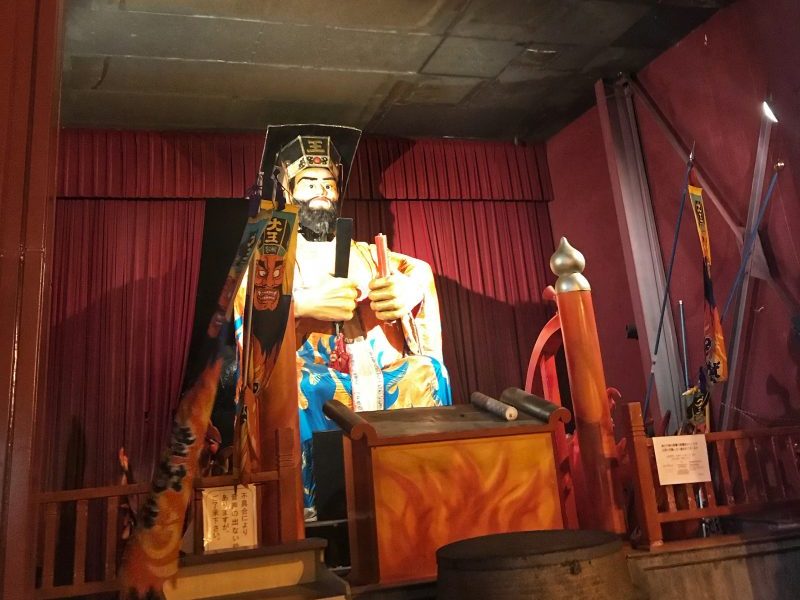
Enma, King of Hell
Enma, King of Hell

Noboribetsu is rumored to be inhabited by demons, so-called Oni in Japanese. It is one of the symbols of Noboribetsu. So it’s no surprise to see the demon statues in this onsen town. There are many demon statues along the main street. Each represents to pray for love, health and happiness, good luck and prosperity, and even wish come true. Check them out when you are getting around in Noboribetsu.

There is a shrine for Enma, King of Hell if you are walking along the street. During the showtime, there will be some little performance with face expression change by Enma. It is interesting to watch if you dropped by during the performance time.

Enma Performance Times: 10:00. 13:00, 15:00, 17:00, 20:00, 21:00

8. Demon’s Fireworks (Oni-Hanabi)

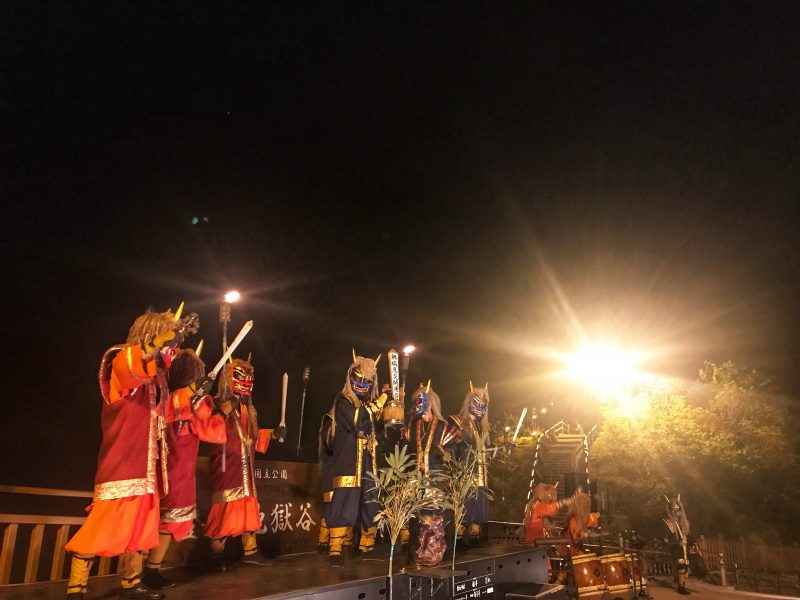
Demon's Fireworks Performance
Demon’s Fireworks Performance

If you’re visiting Noboribetsu in summer, don’t miss the chance to join the firework festival together with demons. Demon’s Fireworks, known as the Oni-Hanabi in Japanese is one of the unique festivals in Noboribetsu.

This annual event is held on Thursday and Friday during summer, from June to August.

Demon's Fireworks Festival in Noboribetsu
Demon’s Fireworks Festival in Noboribetsu

We were lucky to witness the dazzling and daring firework performance during our visit to Noboribetsu.

The “yukijin”, masked demons with handheld fireworks were shooting up fiery sparks into the dark sky. Ritualistically beat drums, dance performance and fireworks display by yukijins. It is a memorable night in Noboribetsu for my trip to Hokkaido.

Firework Show in Noboribetsu
Noboribetsu Demon’s Fireworks, Oni-Hanabi When: Every Thursday and Friday, from June to August
Time: Start from 8:30 pm (around 45 minutes)
Venue: Hell Valley’s observation platform

Where To Stay

Dai-ichi Takimotokan

With nearly twenty accommodations to choose from, it is pleasure to stay one night in Noboribetsu with onsen bath. Choosing where to stay in Noboribetsu for a relaxing bath is well worth for consideration. You’ll fall in when you are soaking into the natural hot spring water to wash away your stress.

For instance, here are the few recommended accommodation in Noboribetsu for your consideration:

Dai-ichi Takimotokan: You’ll simply love everything about this family-friendly 4-star resort, one of the best onsen in all of Japan. There has 3 outdoor and 12 indoor baths for man. While women has 4 outdoor and 8 indoor bath. I enjoyed my onsen time during my stay in Dai-ichi Takimotokan. The views from to Jigokudani from the hot spring tubs are stunning.

Takimoto Inn: For a budget traveler, Takimoto Inn is one of the great value for economy stay. This western-style accommodation offering per person prices for one, two, to three people at a very reasonable price. It not only offering in house onsen bath, as well as 24 hours access to its sister hotel, Dai-ichi Takimotokan just over the road.

Hotel Mahoroba: Another popular pick for traveler, boasts by over 30 on-site public indoor and outdoor hot spring baths and spas. Impressive buffet dinner menu with kings crab, sashimi and seafood.

Noboribetsu Manseikaku: 3-star economy accommodation stay in Noboribetsu. Stay in Japanese style tatami with futon or Western-style room. Location is superb with a few minute’s walk from the bus station. Great indoor and outdoor onsen for your hot spring experience.

Read on my memorable one night stay in Daiichi Takimotokan. The best onsen hotel in Noboribetsu with huge onsen facilities for Japanese hot spring bath experience.

Related post: Best Onsen Hotel in Noboribetsu: Daiichi Takimotokan Review

What To Eat In Noboribetsu

Most of the accommodation provides breakfast and dinner options for hotel guests. However, if you are looking for a food option for your meal, check out our top pick food when planning on Noboribetsu itinerary.

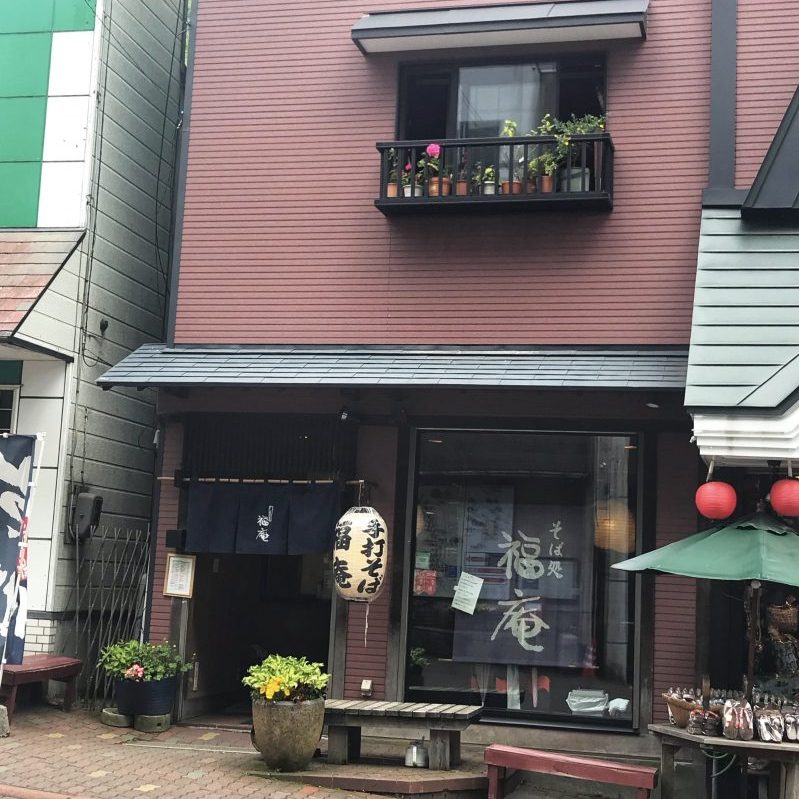
Fukuan Restaurant in Noboribetsu
Fukuan Restaurant in Noboribetsu Shopping Street

Fukuan Soba is the number one popular eatery restaurant in Noboribetsu. It is specialized in handmade soba noodles from Hokkaido buckwheat flour.

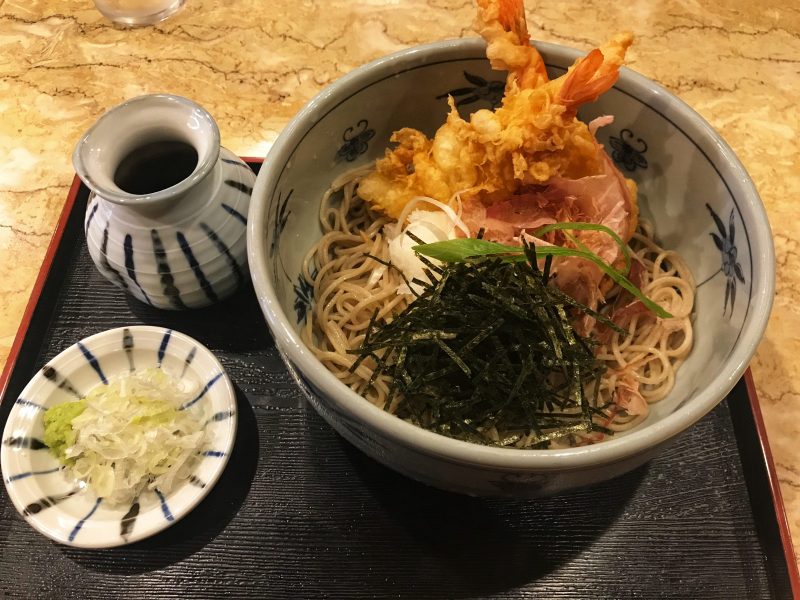
Cold Soba Tempura Set from Fukuan Restaurant

Soba can be served either in cold or warm. Table and bar seating in front of the chef are great options to see the soba making performance. Their tempura is so crispy and tasty. My top choice for the best restaurant in Noboribetsu. 

Getting to Fukuan Soba Restaurant: Located at the Gokuraku Dori Shopping Street. Short walk with 5 minutes from the bus station.

How To Get There

Noboribetsu is easily accessed by car or public transport such as trains and buses. Getting to Noboribetsu from New Chitose Airport, Sapporo, Lake Toya or Hakodate is pretty simple. Choose the best transportation to get there which best suits your Noboribetsu itinerary.

Getting to Noboribetsu by Train

From Sapporo: Limited express train is the quickest way to get to Noboribetsu from Sapporo. This approximate one hour journey costs about ¥4,780. To save on some money, local trains which twice of traveling time with approximately 2 hours will cost you about ¥2,950.

From Hakodate: The 2 hours 30 minutes express train journey at ¥7,460 will get you to Noboribetsu.

From Lake Toya: One-way trip will cost about ¥1,390 for express train with only 30-40 minutes. While the local train is ¥540 for 60 minutes of train journey.

From Noboribetsu Station to onsen town, take the 15 minutes bus ride (¥340) to get to the onsen town center. Donan Bus connected these two places and operate once or twice per hour.

Noboribetsu Transportation Tips:
All the train journey getting to Noboribetsu from Sapporo, Hakodate or Lake Toya are cover by Japan Rail Pass and JR Hokkaido Pass. However, both pass did not cover the bus ride.


Getting To Noboribetsu by Bus

From New Chitose Airport to Noboribetsu: Express bus run between Noboribetsu New Chitose Airport (40 minutes) or Sapporo (90 minutes). Three times per day from Donan bus at ¥1,400. (Donan Bus schedule from Airport).

From Sapporo Station to Noboribetsu: Chuo bus (中央) and Dounan bus (道南) are offering bus ride at ¥1900 (one-way). Alternatively, most of the Noboribetsu accommodation offers a direct shuttle bus from Sapporo Station to hotels. Normally, the bus ride is free or required minor charges. My return journey from Noboribetsu to Sapporo was using this great money-saving option. Reservation required, please check with the hotel respectively.

All in all, we really enjoy our 2 days in Noboribetsu. Below is the location map for places to visit and things to do in Noboribetsu. The Noboribetsu Date Jidaimura is another worth recommendation if you want to experience the Japan’s Edo period with Samurai and Ninja show. We didn’t included this due to the schedule. You can considered to include in your Noboribetsu itinerary.

Lastly, the Noboribetsu travel blog is part of our Hokkaido trip in end up May. Hopefully, this travel guide can give you some ideas on what to do in Noboribetsu. If you are interested, please check out our remaining travel post here:

How To Plan Your Hokkaido Trip On Budget: Travel Guide, Itinerary & Money Saving Tips!
For more detail for best place to visit in Hokkaido travelogue