Ise Shima itinerary Travel Guide blog

Trip to Ise itinerary: A Travel Guide Blog

posted in: Mie Ise Shima | 0

Last updated on May 16th, 2026

Here are some of the best things to do and see when planning an Ise Shima itinerary. Even if you only have 24 hours in Ise Shima, you should be able to hit up all the highlights within one day.

Located in Mie Prefecture, the Ise Shima region (伊勢志摩) is known for its natural beauty and cultural importance. This area might seem like a less popular travel destination for international travelers. But in fact, Ise Shima was visited heavily by Japanese visitors as it is home to Japan’s most sacred Shinto shrines. Locals also flock to Ise Shima for a rural gateway on the Shima Peninsula’s seaside. Popular cities to explore in Ise Shima are Ise, Toba, and Shima.

Ise Shima was blessed with an abundance of treasures from the ocean and land. There are plenty of activities and fantastic sites to enjoy on the Shima Peninsula, perfect for people of all ages and travel styles. It’s a unique experience where you can get a taste of real Japan.

If you’re planning on visiting Ise Shima, then be sure to check out our Ise Shima itinerary. You can find some useful travel tips for visiting Ise Shima, including the best time to visit, where to stay, how to get around, and where to eat in this Ise Shima Travel Guide blog.

How To Get to Ise Shima
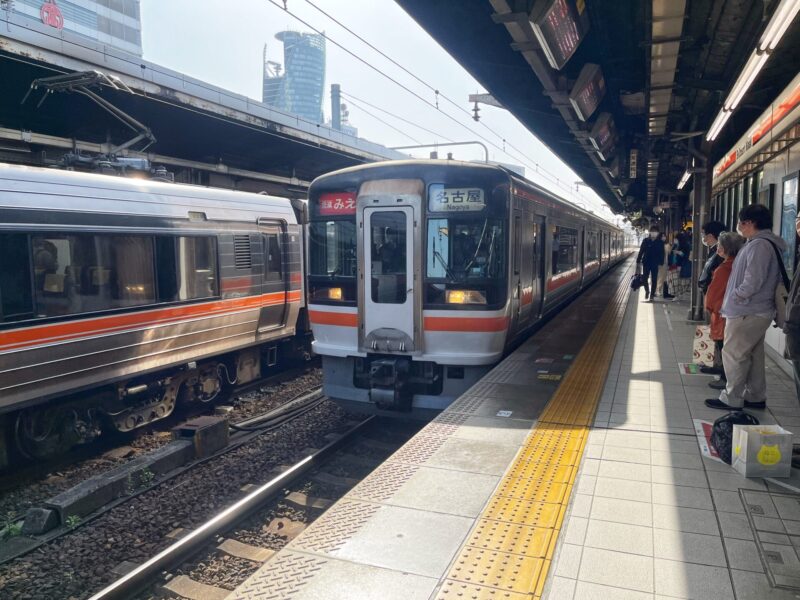
How To Get to Iseshi from Nagoya

Fortunately, getting into Ise Shima is very easy. The city is served by several stations on the Kintetsu Railway Shima Line and JR Train into Mie Prefecture. Most travelers to Ise Shima will probably first arrive in Nagoya, and then only get to Ise Shima by train.

From Nagoya to Ise, you can either take the Kintetsu or JR train to the Ise Shima area:

  • Direct Kintetsu limited express trains connect Nagoya and Ise (Iseshi or Ujiyamada Station) in 80 minutes. The one-way fare is ¥3,080. All seats are reserved. While slower express trains takes about 100 minutes, but costs only ¥1,740.
  • Direct JR Mie rapid trains (kaisoku) took around 90 minutes from Nagoya to Ise (Iseshi Station). The one-way trip costs ¥2,040. There is about one train per hour.
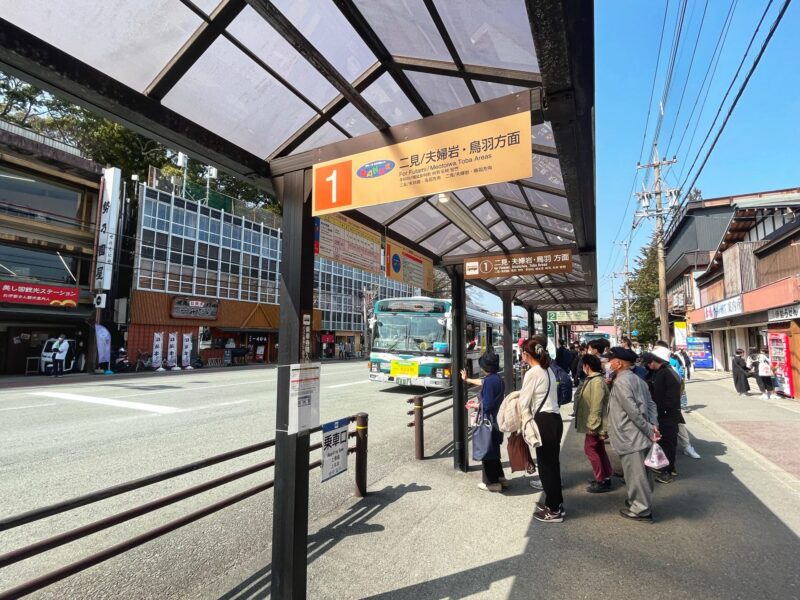
Getting Around in Ise Shima

Once you are in Ise Shima area, it is pretty convenient to travel around by bus. The CAN Bus connects Ise’s railway stations with most of the city’s main attractions (including the Ise Shrines, Edo Wonderland, and the Meoto Iwa Rocks) and Toba once or twice per hour.

Besides, a rental car can be even more convenient for exploring the peninsula. This area can be easily explored by self-driving with convenient parking spots on the attraction’s sides.
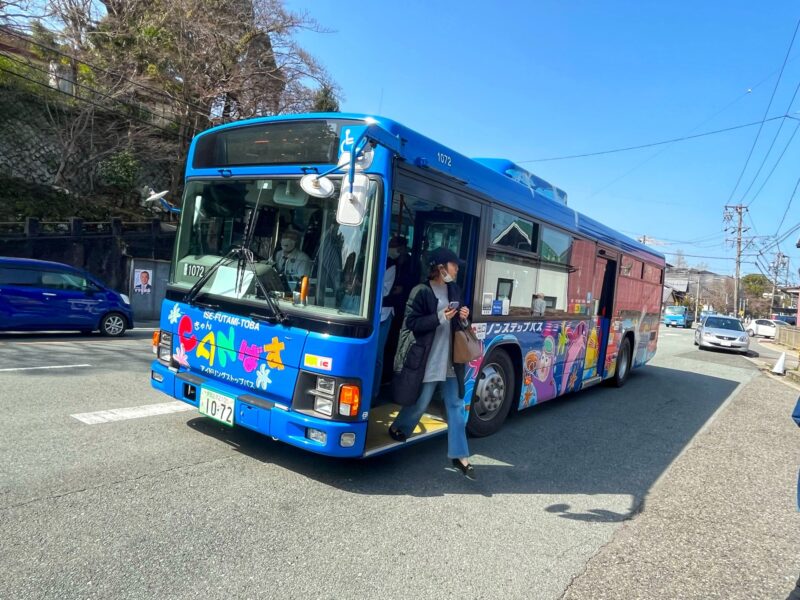
Getting around in Ise shima with CAN Bus

Money Saving Transport Pass

Traveling with Kintetsu trains run between Osaka (Osaka-Namba Station) and Nagoya (KintetsuNagoya Station).

Take note that the Kintetsu Rail Pass for 1 Day and 2 Days is not covered by Nagoya and Mie. Also, Kintetsu Rail Pass only covers the basic fare and you will need to top up for seat fees when using the Limited Express Train. From Osaka to Nagoya, the seat reservation fee costs about ¥2,130. Travelers can make a seat reservation at the Kintetsu counter.

Traveling via JR Train that runs between Nagoya and Iseshi:

While JR Pass holders have to pay a supplemental fee of ¥520 (one way) on board the train as Mie rapid train partially uses non-JR tracks. While less popular JR Ise-Kumamo-Wakayama Area Pass can be used for traveling for 5 days within the Ise, Kumano, and Wakayama Area. This pass is not valid for Shinkansen.

How Many Days for Ise Shima

Ise Shima can be visited as a day-trip from Nagoya Station and you can easily spend a whole day visiting the site. If time is permitted, we recommended spending at least one night in the area. Visitors can spend their time in Toba aquarium and several theme parks along the Shima coast.

Where To Stay

Ise Jingu is one of the popular attractions in Mie prefecture. Spending one night in Ise is a great option for those looking for a more relaxing trip when visiting the area. Most accommodations will be scattered around the Ise-Jingu Geku (Outer Shrine) area. You can find high to mid-range business hotels and also some budget hostels.

Best place to stay when visiting Ise:

  • High-Range: FAV Hotel Ise is a great option and perfect for family travelers. The location was great, within walking distance of the outer shrine. The rooms are well designed and layout.
  • Mid-Range: Comfort Hotel Ise – This mid-budget hotel has it all: affordable pricing, a great convenient location, comfortable beds, and clean bathrooms.
  • Budget: Ise Guest House Kazami is one of the top-rated hostels if you are looking for where to stay in Ise on a budget. It is built as a dodecagon-shaped building, featuring an indoor garden at the atrium. The hostel offers dormitory and private rooms.

For more accommodation options: Where To Stay in Ise: Best Places and Hotels.

Things To Do for Ise Itinerary

Not sure where to begin your journey? With the below 1-day Ise itinerary, you’ll able to discover and get the taste of a real Japanese culture city.

Things to do in 1-Day Ise itinerary:

  • Visit Ise Jingu
  • Geku (Outer Shrine)
  • Naiku (Inner Shrine)
  • Oharai-machi
  • Taste akafuku mochi
  • Meoto Iwa

Visit Ise Jingu

Visit Ise Jingu

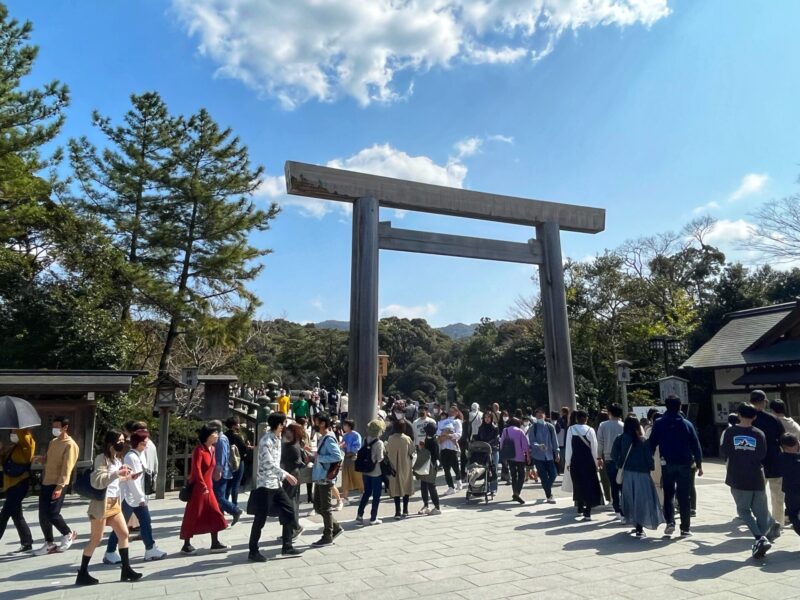
No Mie destination list could start with anything other than Ise Jingu -Japan’s most sacred Shinto shrine.

Ise Jingu or Ise Grand Shrine (伊勢神宮) is one of the oldest and most revered shrines in Japan. This sacred place has long been revered as the abode of Amaterasu Omikami, the goddess of the sun and universe, the guardian deity of Japanese people. Over 8 million worshippers visit this site every year. Even the Royal Family of Japan will come here to visit annually.

Ise Jingu consists of 125 shrines centering on two sprawling compounds, Naiku (Inner Shrine) and Geku (Outer Shrine). The Naiku and Geku are separate with a 15-minute bus ride apart. The sanctuaries at both are considered perfect examples of pre-Buddhist Japanese architecture and are all built without nails. It is definitely a very beautiful, interesting, and peaceful place and should not be missed when in Iseshi.

Ise Jingu (伊勢神宮)
Address: 1 Ujitachicho, Ise, Mie 516-0023
Opening Hours: Daily from 5:00 to 18:00
Admission Fee: Free!

Ise Shima Travel Guide Tips: It is customary to begin your visit to Ise Shrine, not at the inner shrine but at the outer shrine.

Geku (Outer Shrine)
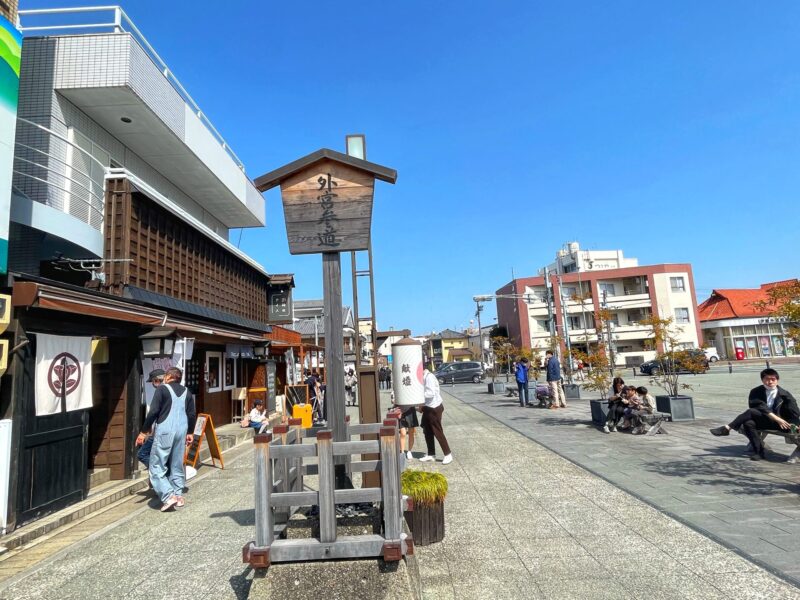
Geku sando street
Geku sando street

The Outer Shrine or Geku (外宮) is one of the two main shrines making up the Ise Jingu. It is believed to have been established 1500 years ago, 500 years after the Inner Shrine. Here the god of clothing, food, and shelter is worshipped.
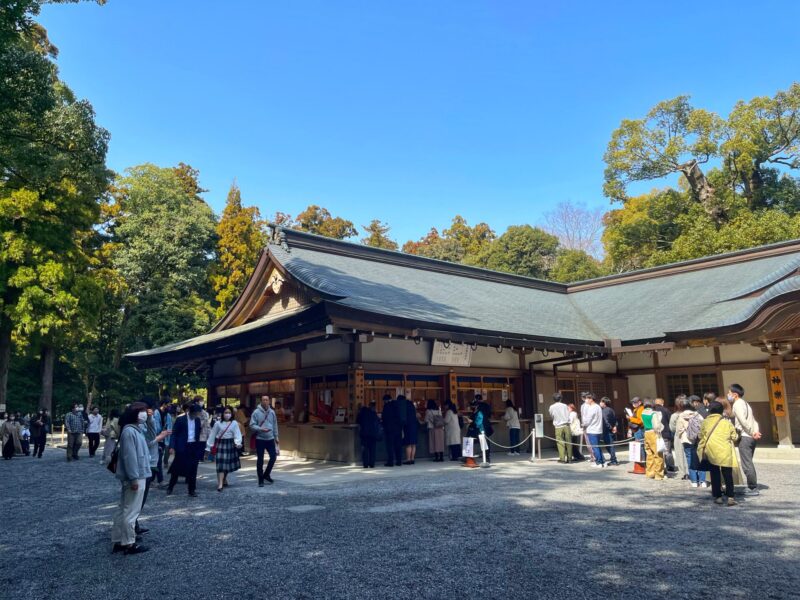
Geku Outer Shrine
The grounds of the Outer Shrine

The Geku is just near the JR station, a mere 10 mins walk. Signs for Ise Jingu Shrine Geku are placed strategically to guide the visitors. You will pass by the Geku-sando street that lines with restaurants, cafes, chocolatiers, and long-established confectionaries selling homemade Manju before reaching the entrance of the shrine.
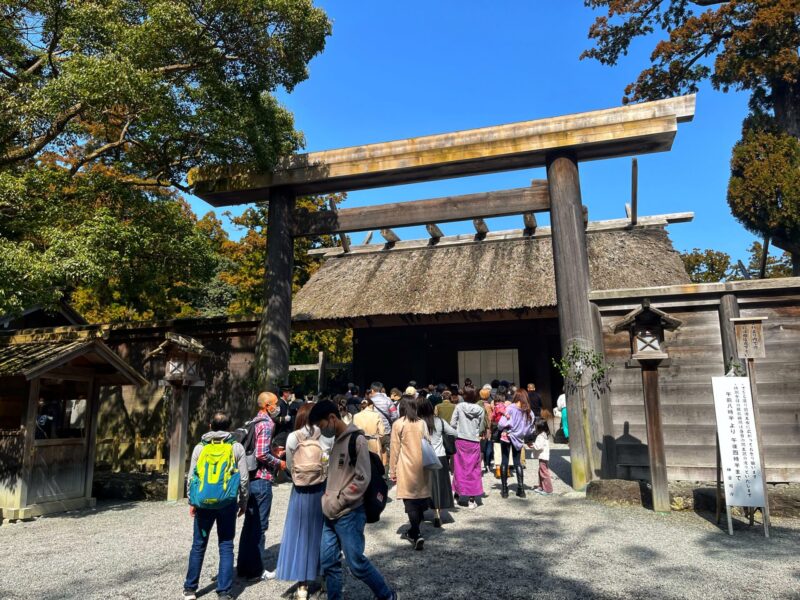
Ise Shima Itinerary - Geku Outer Shrine
Geku Outer Shrine

Next, followed the sequence to visit the Outer Shrine and then to Inner Shrine.

The grounds of the Outer Shrine are just beautiful with gravel-covered walking paths and massive cedars trees everywhere. It is smaller compared to the Inner Shrine. It is very crowded on a Sunday and we spent about 60 mins in Geku.

Getting to Outer Shrine: 10-minute walk from Iseshi or Ujiyamada Station.

Naiku (Inner Shrine)
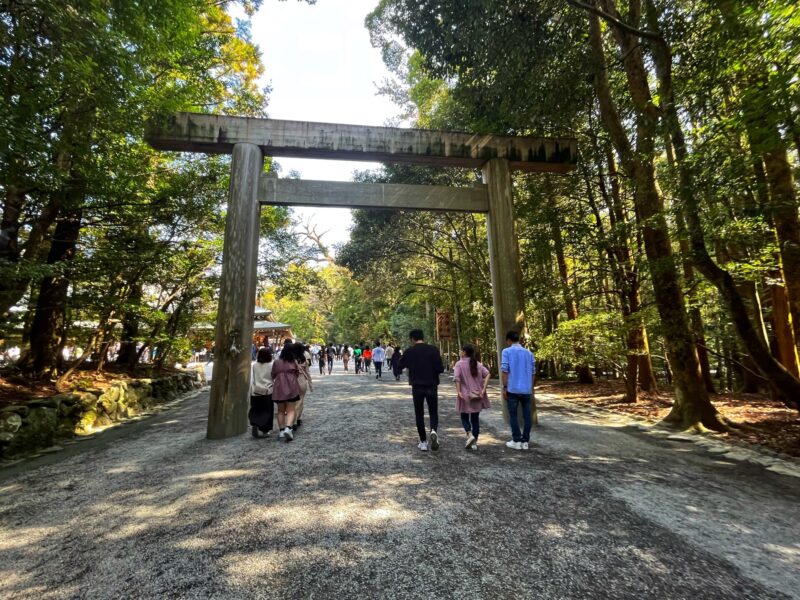
Walk to Naiku Inner Shrine

The Inner Shrine or Naiku (内宮) is the larger and more important of the two. Naiku is Japan’s most sacred shrine and is believed to have been established over 2000 years ago. It houses Amaterasu-Omikami, the Shinto sun goddess, ancestor of the imperial family, and protector of the nation.

It is a nice calming 10 minutes walk over a gravel path with cedar trees to the main shrine. Although the area with a big crowd but everyone is quiet and calm. One easily felt calm and cleansed by the mere serenity setting.
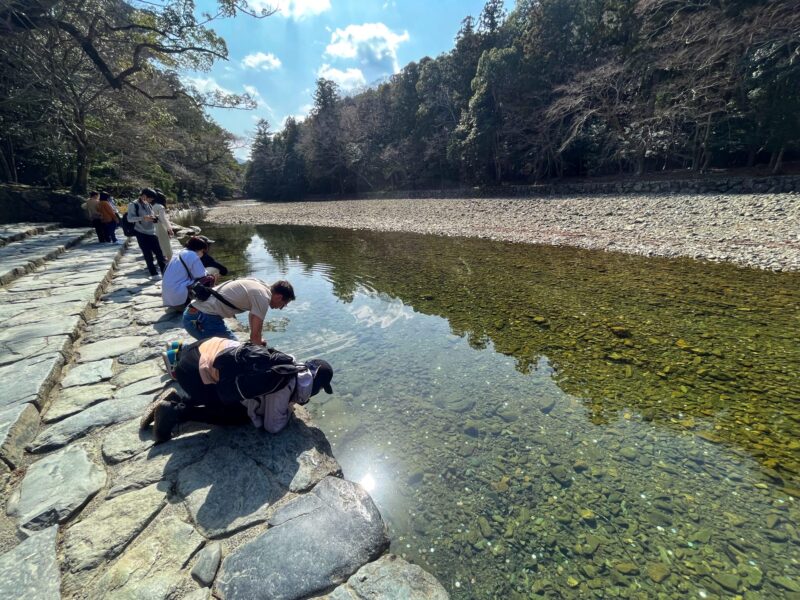
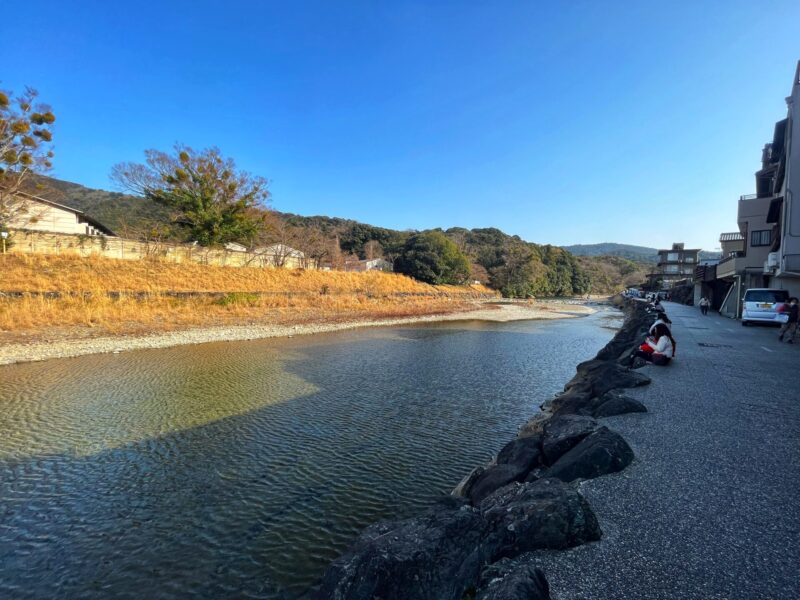
The famed Isuzu river

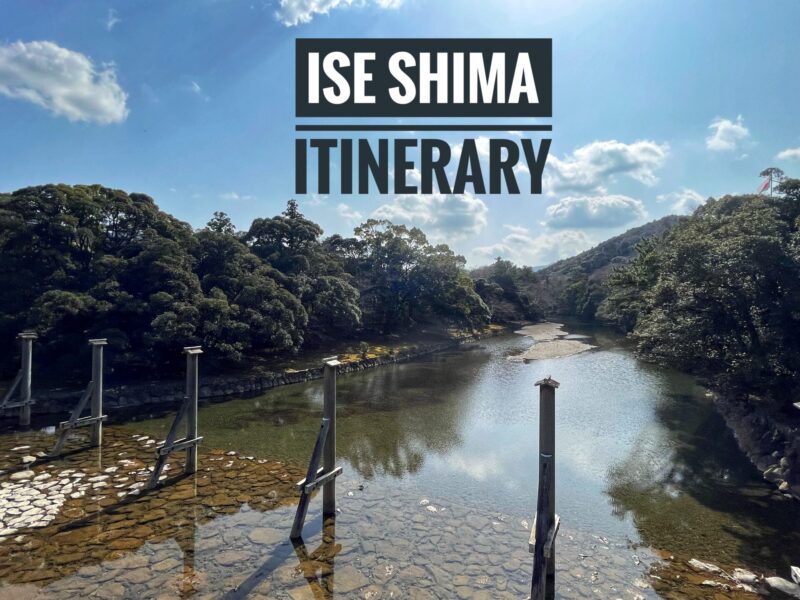
There’s the famed Isuzu river that exalted spiritual and mystical aura, and the 100-meter wooden famous Ujibashi bridge, built in a traditional Japanese style.

You will also be seeing some small shrines before you reach the main building, but mostly are closed to the public.
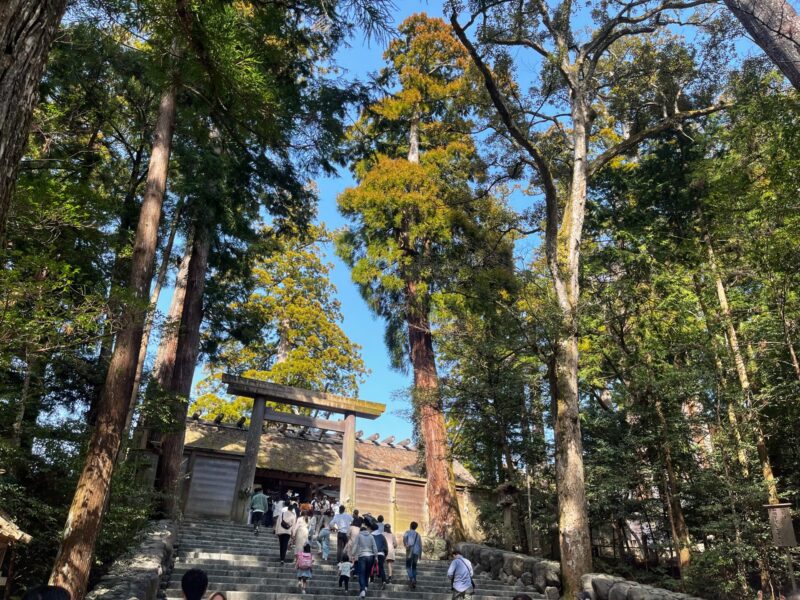
Ise Shima Itinerary - Naiku Inner Shrine

Follow the crowd and walk up the steps to the Main Shrine to pay homage. Take note that photography is not allowed at the main shrines.
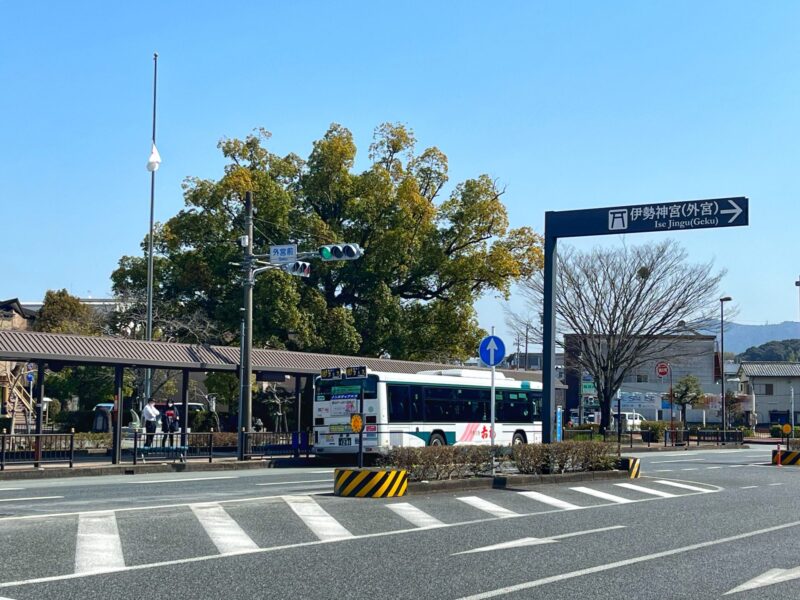
Take Bus from Outer Shrine to Inner Shrine

Getting to Inner Shrine: Frequent buses connect the Outer Shrine with the Inner Shrine (15 minutes, 470 yen one way). The Outer Shrine is also served by the CAN buses.

Oharai-machi
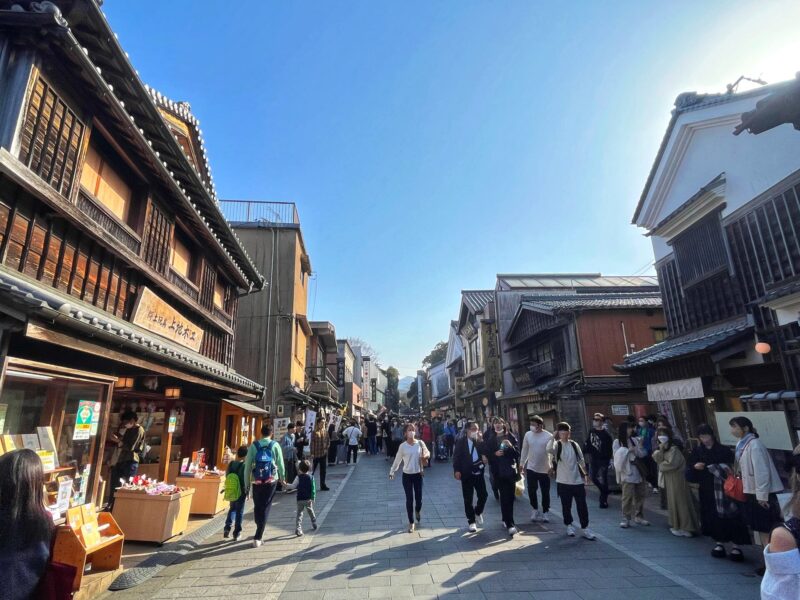
Ise Shima Itinerary - Oharaimachi

Oharai-machi (おはらい町) is a nearly 1-kilometres long pedestrian street leading to Naiku. The restored Edo-era street is lined by many traditional-style buildings, housing shops, restaurants, souvenir shops, and even a craft beerhouse. This pleasant area has been serving pilgrims and tourists for several centuries and many traditions remain to this day.
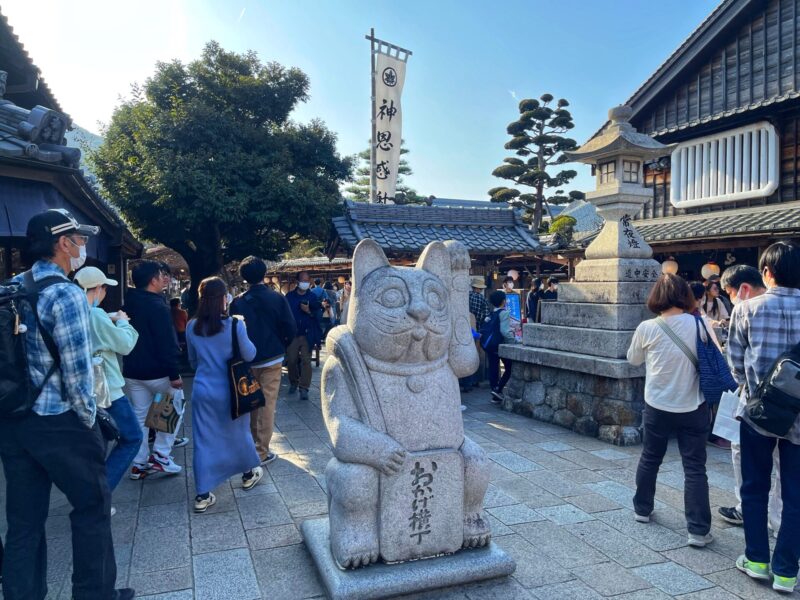
Stroll along Oharaimachi

Here, you can experience an old-fashioned Japanese street. The area is known for its ‘Ise udon’ noodles and ‘akafuku’, a traditional sweet made from ‘mochi’ and red bean paste – a delightful and tasty snack to try as you walk to and from the Inner Shrine. Most stores open early, from 05:00 onward, and close around 18:00.

Getting there: Oharaimachi is located just next to the Inner Ise Shrine.

Taste akafuku mochi
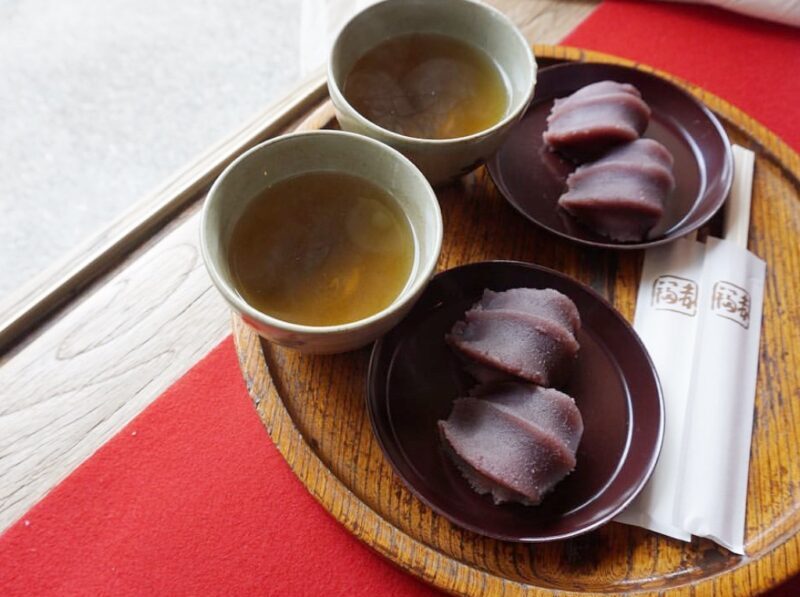
Taste akafuku mochi

Akafuku mochi (赤福餅) is a rice cake confection topped with anko (sweet red bean paste). This Japanese traditional sweet with a unique shape symbolizes the Isuzugawa River, which flows through the precinct of Ise Jingu. It has been loved by worshippers going to Ise Jingu for more than 300 years.
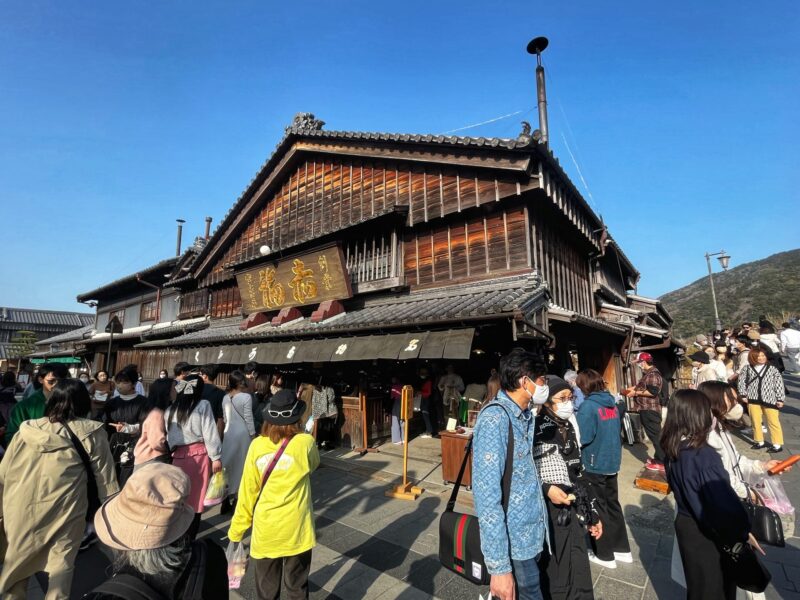
akafuku Flagship store

The Akafuku was first original by Akafuku Wtore and its flagship store is located in Oharai-machi. It was established in 1707 and has over 300 years of history since the Edo period. Don’t miss the chance to eat this signature Akafuku mochi on your Ise Shima itinerary.

Meoto Iwa
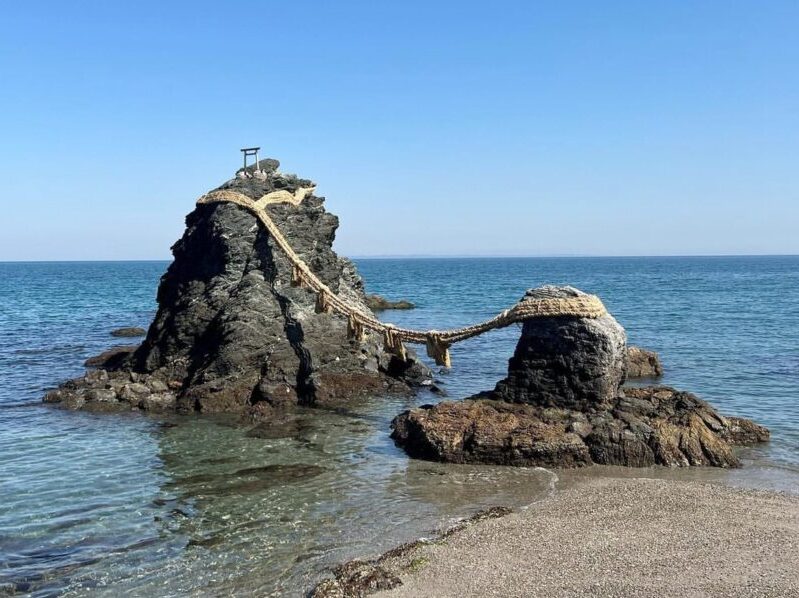
Ise Shima Itinerary - Meoto Iwa

Lastly, it is best to couple your visit to Ise Jingu with Meoto Iwa.

Located off the coast of Futami in Mie Prefecture are the Meoto Iwa (夫婦岩) or Wedded Rocks. The duo of picturesque rocks represents the symbols of male and female of the Japanese pantheon of gods, Izanagi and Izanami. Therefore, these rocks are also said to bless unions, couples, and marriages. The rocks are tied by a shimenawa rope—made of rice straw and replaced three times a year during a ceremony.
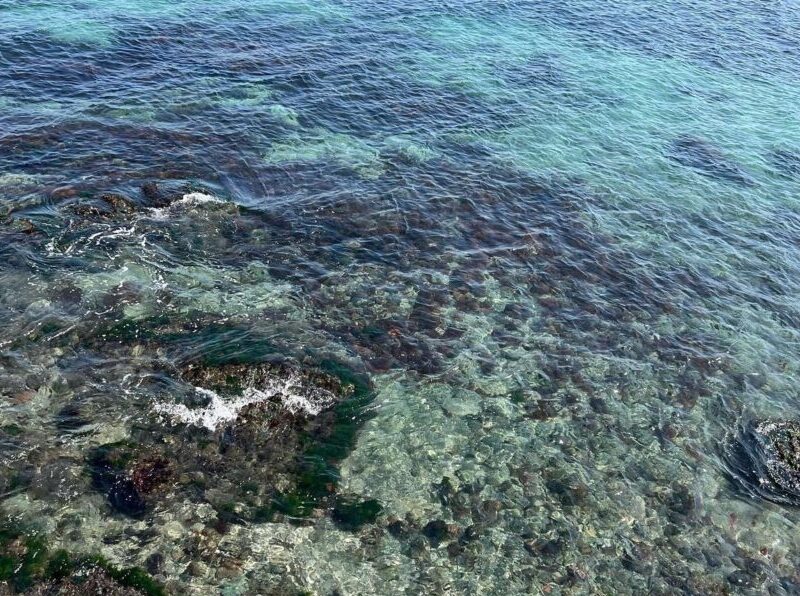
Clear sea water at Meoto Iwa

A nice paved trail with small shrines and frog statues leads to the rocks. The area is a wonderful place to walk around with a great seaside view and makes for great photos. It is worth spending some time to see the Meotoiwa rocks near the shoreline on your Ise Shima itinerary.

The best time to visit is during high tide when the sun rises and falls between the two rocks.

Meoto Iwa (夫婦岩)
Address: 575 Futamichoe, Ise, Mie 519-0602
Opening Hours: Daily from 7:30 to 16:30

Getting there: Meoto Iwa is easily access by CAN bus within the Ise region. Alternatively, you can take the JR train to JR Futaminoura Station and then walk for 15 minutes.

Overall: A Day Trip Ise Shima itinerary
Day Trip to Ise Shima

All in all, a visit to Ise Shima for its Ise Jingu Shrine is one of the most memorable trips to Japan. It is an immensely spiritual place with Japan’s most remarkable Shinto shrines. The Iseshi is a fairly small and quiet town, but combined with other areas, there is still more to do than is possible in a single day. Enjoy the beautiful natural landscapes and culture in Iseshima.

Lastly, thanks for reading and I hope you enjoyed this Ise Shima travel guide blog on the best things to do in Iseshima. Enjoy your trip!

Related Ise travel blog:

Looking for more ideas for your trip? Check out our related travel stories to Nagoya and nearby cities:

Siem Reap Food Guide

Siem Reap Food Guide: Where and What To Eat

posted in: Cambodia | 0

Last updated on May 15th, 2026

Prepare your taste buds as here are some of the most appetizing food options that introduce to you in this Siem Reap Food Guide. Let’s check out where and what to eat in Siem Reap!

Home to one of the world’s most famous ancient ruins Angkor Wat, Siem Reap is the most visited city in Cambodia. Because Cambodia shares borders with other countries, it is not surprising that Khmer food is often stereotyped to be similar to Thai, Philippines, and Vietnamese cuisines. You will find the food in Siem Reap shares much in common in the cuisine and taste compared to the neighbor countries. The confluence of culinary influences is part of what makes Khmer food so appealing.

The food in Siem Reap is full of variety and finding what to eat in the city is never an issue. You can eat like a local along the street or in classy restaurants. Being the travel hub in the country, you’ll also find a large variety of foreign food in the city. Indian, European, Vietnamese, Lebanese, Chinese, Japanese, and more when you are strolling along the city.

During our trip to Siem Reap, we sampled a lot of mouthwatering Khmer food. We truly enjoy our food hunting and fall in love with the food scene in the city. There is a huge variety of food items that you can sample and are worth trying when you are in the ancient city.

Plenty of food to explore in Siem Reap, ranging from local Khmer cuisine, to street food, and drink. The Khmer food in Siem Reap is an integral parting of the Cambodia experience and should be missed by travelers when visiting the city. Let’s check out where and what to eat in this Siem Reap food guide!

Siem Reap Food Guide

For your convenience, refer to this list of food that should add to your Siem Reap food guide list.

  • Traditional Khmer Cuisine: Amok, Nhoam Svay Kchai, Samlor korko
  • Khmer Curry
  • Khmer Noodle (Nom Banh Chok)
  • Cambodian BBQ (Phnom Pleung)
  • Siem Reap Street Food
  • Cambodian Baguette (Num Pang)
  • Khmer Bamboo Sticky rice (Kralan)
  • Balut (Pong Tia Koon)
  • Blue Pumpin Ice Cream
  • Angkor Beer and Cocktail

Siem Reap Food Tour and Cooking Class

If you’re visiting Siem Reap and want to really learn about Khmer food, then you may be interested in joining a food tour or taking a cooking class. Here is our recommendation:

Traditional Khmer Cuisine

When you are being in Siem Reap, why not sample some of the local Khmer cuisine as well? Khmer cuisine is one of the world’s oldest living cuisines. Prahok (fermented fish paste) and kroeung (curry paste) are local favourite seasoning and widely used in Cambodian cuisine. 

Siem Reap Food Guide - Traditional Khmer Cuisine

There is plenty of classic Khmer cuisine that is worth recommending to try during your trip to Siem Reap. The food is healthier than many other regional cuisines as it commonly contains various fresh vegetables and herbs. Most importantly, the food in Siem Reap is inexpensive and easy to find everywhere in the quaint town.

What to eat in Siem Reap - Khmer Traditional Food

Here we recommended some of the must-try Traditional Khmer food that you should not miss when dining in the Siem Reap restaurant.

  • Khmer Stream Fish Curry (Amok)
  • Green mango salad (Nhoam Svay Kchai)
  • Cambodian Fish Soup (Samlor korko)

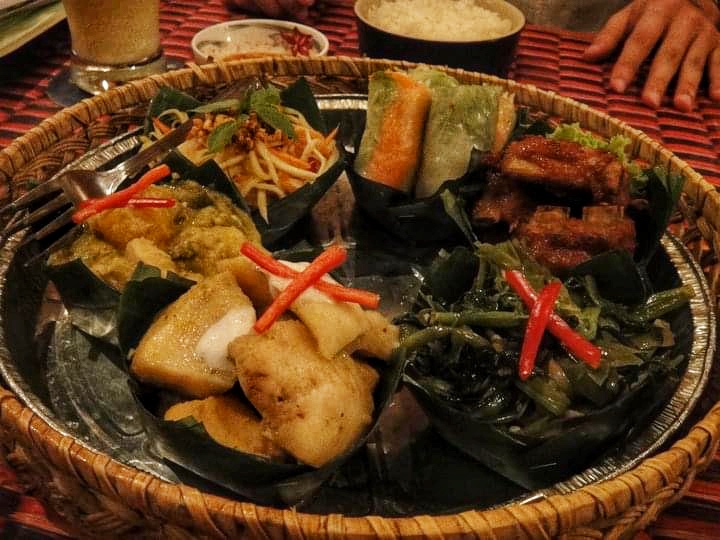
We have the Khmer Food Platter with a a great selection of Khmer food. Banana leaves are used as a bowl to served some of the must-try Khmer food that should be on Siem Reap food guide list. The food served is a nice combination flavorful for your Khmer food experience.

Khmer Food Platter
Khmer Food Platter with fish amok, green mango salads, rolls, and more.

Khmer Stream Fish Curry (Amok)

Among all the Khmer food, Amok is an extremely popular national dish and might be the one most familiar to tourists. The fish is marinated in a curry paste and steamed in a banana leaf which resulting a soft and creamy texture. It carries an indelible sweetness followed by robust herbs. Amok is typically served in a coconut or wrapped in a banana leaf which gives it a visually appealing appearance. Every visitor should try this dish at least once when in the city. Almost all Siem Reap restaurants served this traditional Khmer food and it is also easy to pick up from street food vendors.

Green mango salad (Nhoam Svay Kchai)

Green mango salad (Nhoam Svay Kchai) is one of the best salad dishes you can eat in the country. It is a classic dish that is commonly found in Thailand, Laos, Cambodia, and Vietnam. This Cambodian salad is often made with shredded unripe fruit and usually contains a mix of other ingredients chili pepper, fish sauce, smoked fish, and small dried shrimp. All the ingredients form a beautifully harmonious taste for this salad dish.

Cambodian Fish Soup (Samlor korko)

Samlor means soup and korko means to mix or stir in Khmer. Once a royal dish fit for the king, the samlor korko is a traditional Cambodian national dish that is widely popular by the local population. It’s basically a spicy fish-based soup with various vegetables. Local used the kroeung (curry paste) and prahok (fermented fish), along with fish or meat and vegetables such as green papaya, green papaya, long bean, eggplant, and bitter gourd leaves.

Khmer Curry

Siem Reap Must Eat Food - Khmer curry
Siem Reap Must Eat Food – Khmer curry

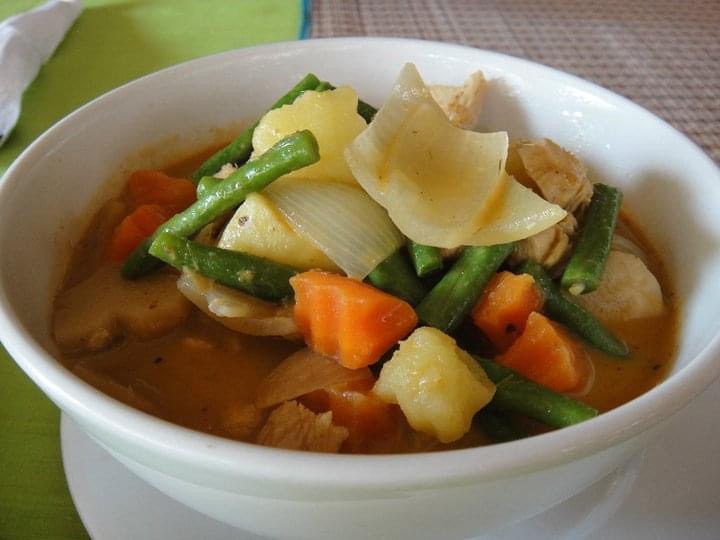
Khmer curry is another dish we enjoyed on our trip to Siem Reap. The Cambodian version of red curry is made from Cambodian spices kroeung instead of chili. So it is less spicy and mild than the Thailand and Indian version but remains flavorful. The delicious dish usually offers a few choices between vegetable or meat options that contain pork, chicken, or fish. The curry will be cooked with your choices of meat, topped with vegetables, fresh coconut milk, and of course kroeung.

We enjoyed the Khmer curry as the food is packed with all sorts of vegetables, including potatoes, white radish, long beans, carrots, and eggplants. It tastes extremely wonderful when you mix those ingredients in your bowl of rice and add a generous amount of curry into it. Simply fantastic!

Khmer Noodle (Nom Banh Chok)

Khmer Noodle - Nom Banh Chok

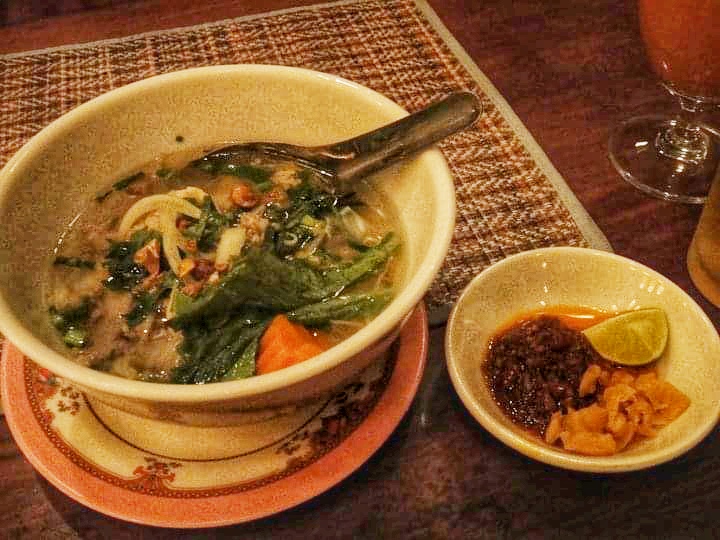
Noodles dish is a typical local favorite breakfast dish in Southeast Asia. The Nom Banh Chok is a beloved Cambodian breakfast dish that consists of fresh rice noodles, topped with meat of your choice, vegetables, herbs, and coconut-based fish curry gravy.

This quick and inexpensive noodles dish can be found around the market in downtown Siem Reap. For an authentic expensive, look for local women carrying handwoven baskets with a pole balanced on their shoulders. A bowl of Khmer noodles costs between US$0.50 and US$1. Alternatively, Nom Banh Chok is also served in the restaurant.

Cambodian BBQ (Phnom Pleung)

Cambodian bbq Phnom Pleung

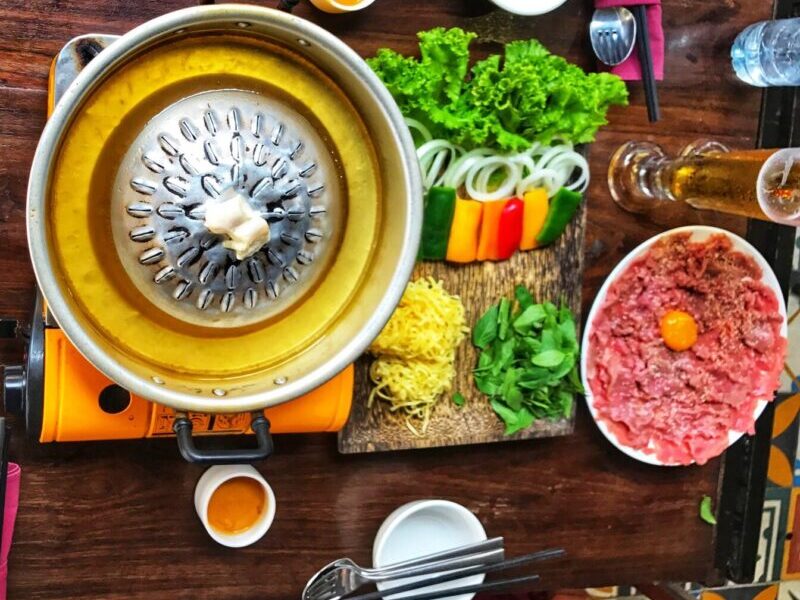
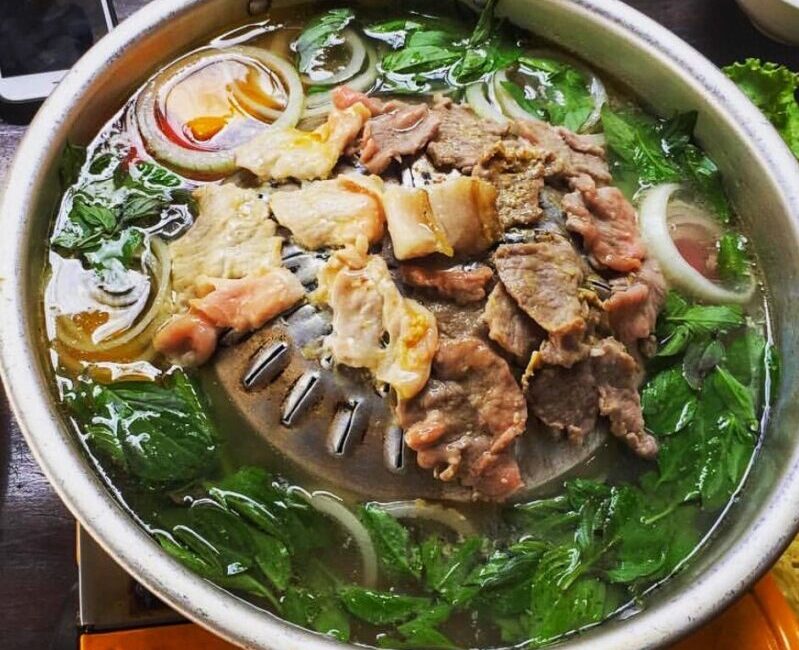
Phnom Pleung or Cambodian bbq is a barbeque-style meal that features a variety of meats cooked on a volcano-shaped grill on the tabletop. The cooking style is similar to Thailand bbq and a lot of restaurants in and around Pub Street in Siem Reap offer this unique dish.

What to eat in Siem Reap

There are choices of meat to cook at your table from the basic to the exotic such as pork, beef, chicken, shrimp, crocodile, and frog. Grilled the meat and enjoyed it while it was hot, dipped the noodles and vegetables into the broth around the grilled set, and cooked it. Absolutely delicious!

A fun way to enjoy Siem Reap food.

Street Food in Siem Reap

Best Street Food in Siem Reap
Street Food in Siem Reap

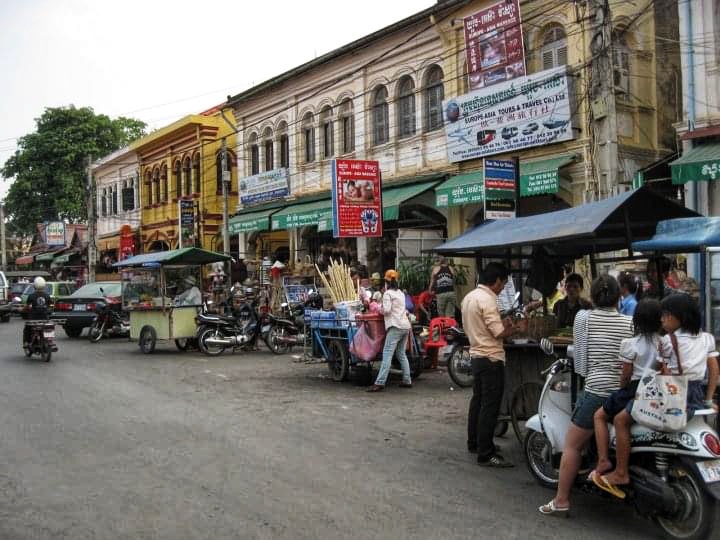
Whenever visiting a new city or new country, we love exploring street food and try to experience as much of the local street food as we can. Being the most popular street in Siem Reap, Pub Street is the best place to sample some of the local street food. Although it is a bit commercial, if you wander around, you’ll find stuff that’s good.

Street Food - Siem Reap Food Guide

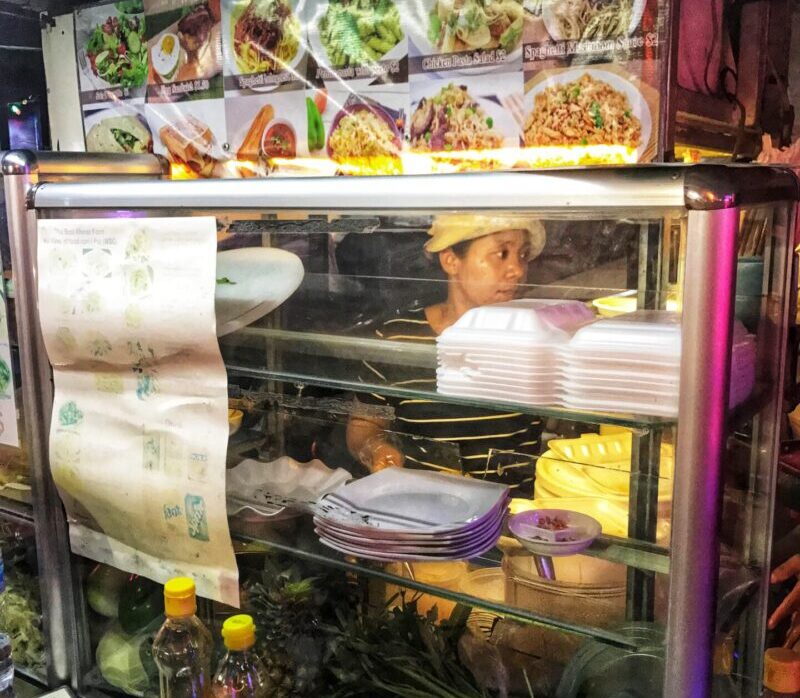
At night, there are even many mobile and street vendors selling street food along the pub street. You can choose to have a street meal at a cheaper price by getting a table along the street. Stir-fried noodles, noodles soup, and traditional Khmer dishes can be found here. There are also many street vendors selling fruits, snacks, and desserts such as fruit smoothies, rice cake, and fried/rolled ice cream that you can snack on as you walk the length of this road.

For an exotic food experience, you can also the crickets, scorpions, grasshoppers, ants, and little snakes on a skewer!

Cambodian Baguette (Num Pang)

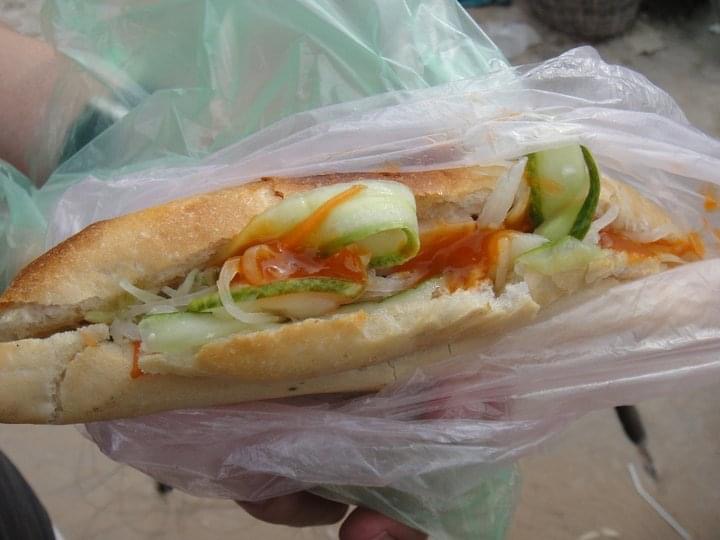
Siem Reap Street Food - Num Bang

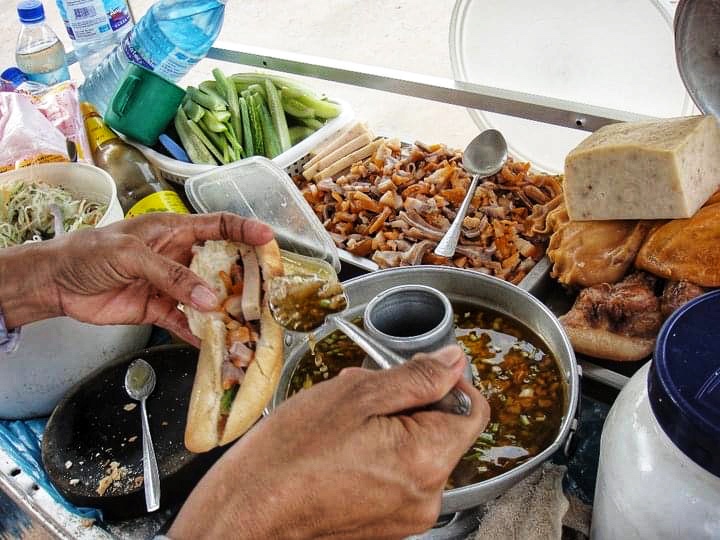
The Cambodian version of baguette or Num Bang is a sandwich or technically a French baguette packed with pork, ham, and beef, along with salad such as onion, tomato, and fresh herbs. It is similar to Vietnamese banh mi and both are also inspired by the French baguette that was introduced to the South Asian countries during the Indochina colonization.

Cambodian Baguette - Num Pang

Num Bang is one of the popular Siem Reap street food. Many mobile sellers load their version of num bangs such as fermented fish cakes, meatballs, and meat. Whatever it was, it was extremely tasty. The bread was light and crispy on the outside without being overwhelming with a soft, chewy interior. Perfect for less than USD$1 snack.

Khmer Bamboo Sticky rice (Kralan)

Khmer Bamboo Sticky rice - Kralan
Kralan – Local Rice Snack

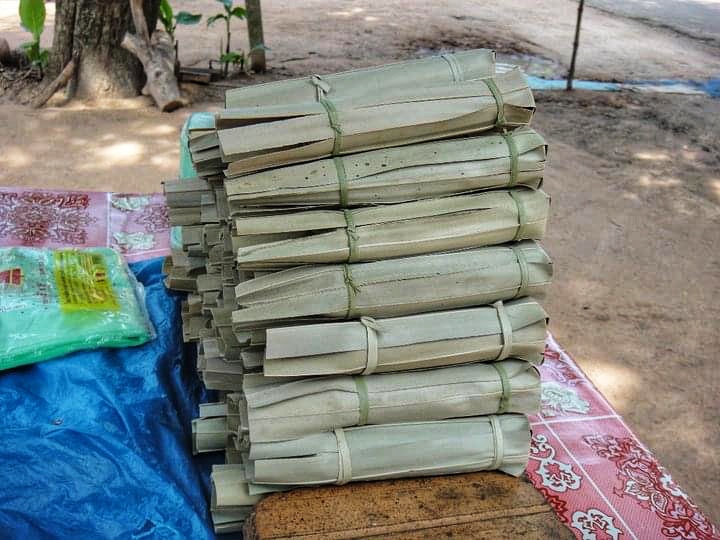
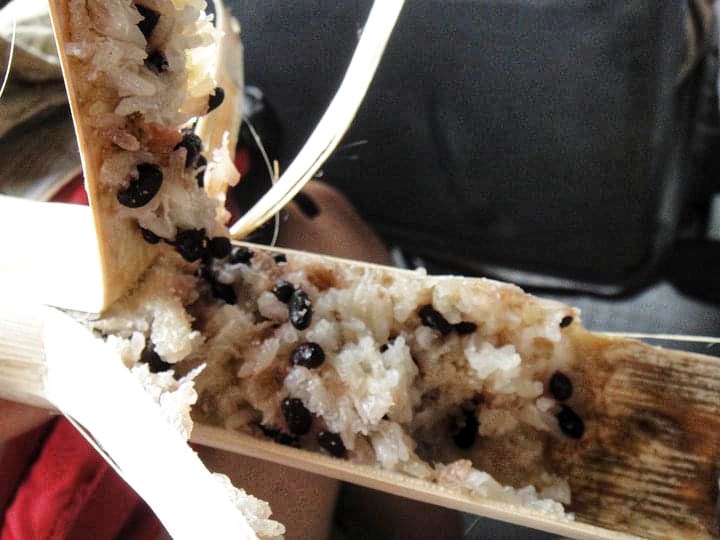
Bamboo sticky rice is also known as Kralan in Siem Reap. It is a traditional Cambodian rice dish, where rice and other ingredients such as coconut water, black peas, or beans are stuffed inside a bamboo stick. The rice is placed directly on burning coals for about an hour until it’s ready.

Siem Reap Street Food - Kralan

Kralan is a typically Cambodian savory snack and you can easily find this along the street in Siem Reap.

Balut (Pong Tia Koon)

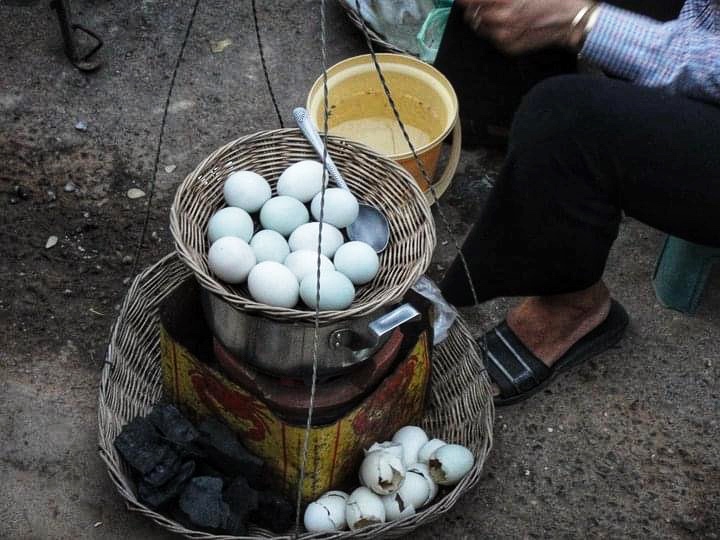
Cambodian Balut - Pong Tia Koon

If you are someone who loves to explore exotic cuisines, you should definitely try Balut in Siem Reap!

Balut is a dish made of a duck’s fertilized embryo. It is normally boiled and eaten whole from the shell when the bones of the embryo are still soft. Balut is widely popular in the Philippines but it is also one of the national dishes in Cambodia. You can easily find the street vendor selling this Cambodian version of balut, Pong tia Koon in Siem Reap.

The way to eat Pong Tia Koon is also different compared to the Philippines. In Cambodia, a wide variety of condiments are added to the fertilized duck embryo before it’s ready to eat. You can top with some flavors such as salt, pepper, and lime juice which adds tanginess to the fetal egg. Try this unexpectedly extraordinary street food in Siem Reap if you are an adventurous eater!

Blue Pumpkin Ice Cream

Blue Pumpkin Ice Cream in Siem Reap

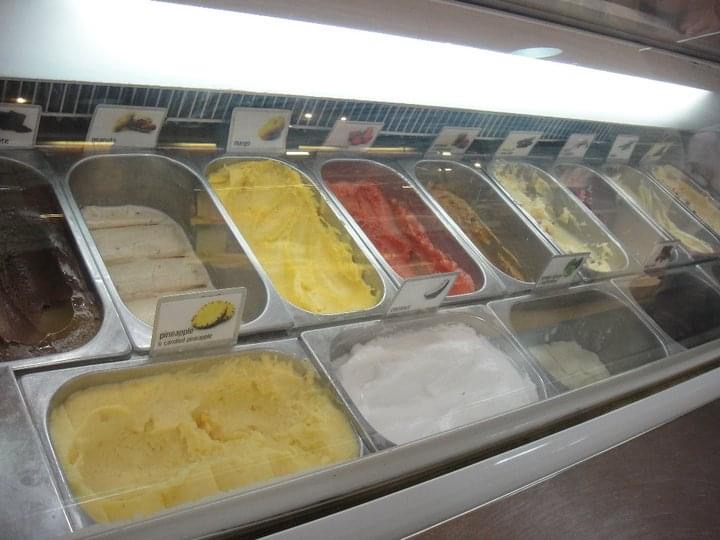
If you still have room for the dessert, don’t resistant to try the ice cream from Blue Pumpkin. The local favorite Blue Pumpkin has been in town since 2000, and you would probably see the Blue Pumpkin everywhere in Siem Reap including the International Airport.

This famous bakery offers exceptional freshly baked pastries as well as homemade Ice Cream and sorbets. There are some funny flavors for the adventurous and we like their signatures- Cinnamon and Vanilla Brownie. On a sultry hot afternoon, a serving of ice cream sure helps and is great for unwinding after exploring Siem Reap. The shop also offers simple Western and local dishes if you want to get introduced to Khmer cuisine.

Angkor Beer and Cocktail

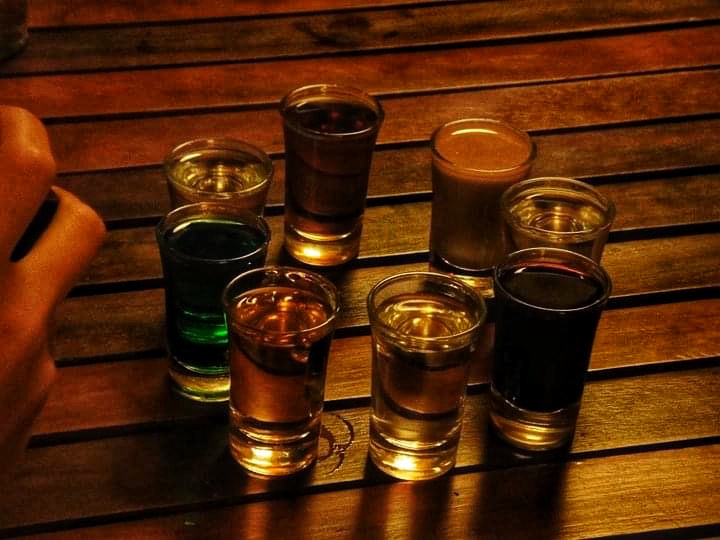
Cheap cocktail in Siem Reap

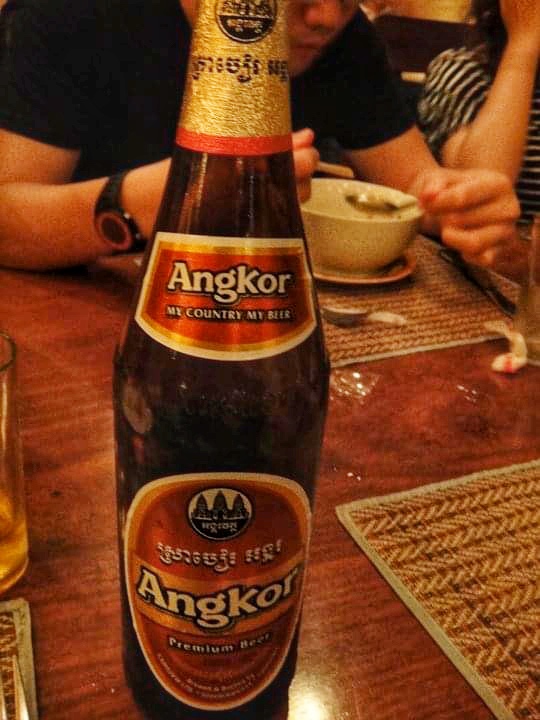
After the long walks visiting the temple ruins, it is perfect to unwind with a few chilled beers or a cocktail in Siem Reap. Cheap drinks and beer specials are $0.50 for a local draft and cocktails average around $2-$3 in most shops along Pub Street. It can be slightly expensive in bars and clubs.

Just grab a drink, it back, and people watching.

What to eat and drink in Siem Reap - Angkor Beer

Where To Eat in Siem Reap

There are many local restaurants in Siem Reap that serve delicious food at really affordable prices. You opt for finer dining at a classy restaurant with good service or enjoyed the street food from the mobile or street vendor. No matter what you choose, I’m sure that is something that suits your liking. We enjoyed and really liked how good the food tasted, and how reasonable the prices were for such delicious meals.

If you are looking for where to eat in Siem Reap, here is our recommendation:

Khmer Kitchen Restaurant is a family-run eatery that serves an extensive menu of Cambodian cuisine at affordable prices. Generally, a proper main meal is around USD$3-4. The restaurant has several branches within Siem Reap, though the most frequented one is located at the corner of Street 11. All get busy during the high season and are particularly popular with visitors.

If you are looking for a stylish dining venue, head to the Malis Cambodian Restaurant. The restaurant features a sleek bar and lounge, ample private dining rooms, a garden, and a stage where Apsara dance performances regularly take place. The recommended popular authentic Khmer delicacies are fish amok, chicken or beef curry in lotus leaf, Kampot crab fried rice, and Khor pork with bamboo shoots.

Last but not least, there is also a variety of food stalls lining the corner of Pub Street and Street 11 in Siem Reap. These local vendors serve Khmer rice dishes, noodles, soups, and traditional Khmer dishes at affordable prices.

Overview: What To Eat in Siem Reap

All in all, I hope this list of Siem Reap food guide can help you find where and what to eat in Siem Reap. There’s no reason why you don’t try the Khmer food while adventuring around Siem Reap. But, no matter where and what food you try I’m pretty sure you will like it. Just make sure you have a bite while in Siem Reap!

After reading through so many amazing dishes are you getting hungry to eat all these food in Siem Reap? So, book your trip to Cambodia and satisfy your tummy! And, make sure to read my other posts about Siem Reap. Thanks for reading and enjoy your trip!