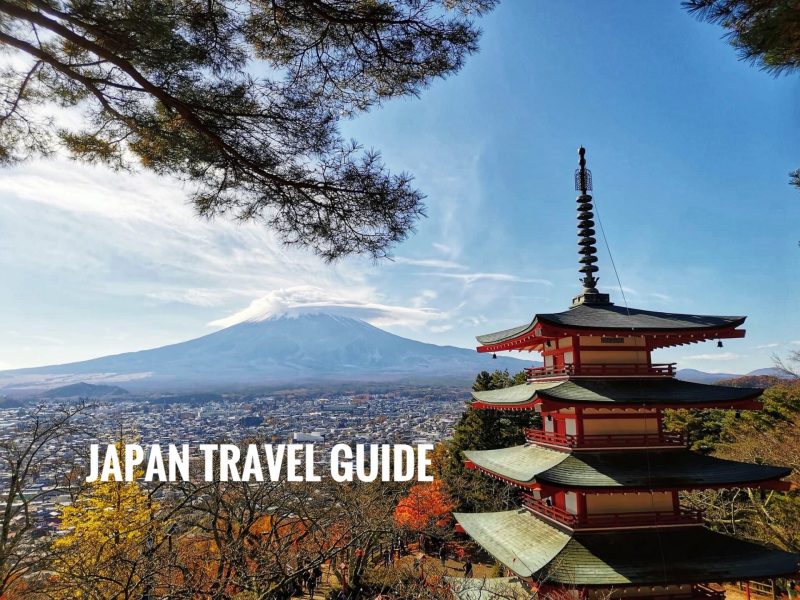
Japan Travel Guide

Japan Travel Guide: Where To Go & What To Do

posted in: Japan | 0

Last updated on May 16th, 2026

If you’re planning to visit Japan, this Japan travel guide has the answers to all your questions by summarizing all my Japan travel tips and useful information here.

Japan is one of the most fascinating countries in the world. It is one of the popular travel destinations where you can spend a lifetime traveling and still not discover all. Being an island that was closed to visitors for many years, Japan is unique in culture with a lovely contrast between traditional and modern Japan. A holiday to Japan will include delicious Japanese food, scenic temples and shrines, Zen gardens, rich culture, and crazy experiences you could only imagine in your dreams.

We have been to Japan multiple times and we still can’t get enough of it. It is one of the countries that I will never get tired of revisiting multiple times. Besides the famous modern Tokyo and Osaka cities and ancient traditional cultural Kyoto, there are still many hidden gems in Japan awaiting you to discover. Not to mention the lush nature and exquisite cuisine that Japan has. We love the historic cultural villages in the Chubu region, the hot spring paradise Kyushu, and the food paradise in Hokkaido, all offer something very different than what most may think of when they visualize Japan.

As a repeat visitor to this wonderful country, I will impart some of my knowledge of Japan in this Japan Travel Guide blog post.

Things To do in Japan

Japan has 4 main islands: Honshu (the largest where Tokyo is found), Hokkaido, Kyushu, and Shikoku. These areas are divided into 47 prefectures and are commonly grouped into 9 regions, which are Hokkaido, Tohoku, Kanto/Tokyo, and the surrounding area, Chubu, Kansai, Chugoku, Shikoku, Kyushu, and Okinawa.

The capital of Tokyo is within the Tokyo prefecture and under the Kanto region. Whereas the popular cities of Kyoto, Osaka, and Nara are all under the Kansai region.

Sound complicated? Rest assured. Below, you can find an overview of our Japan travel blog about some of our Japan travel experiences and favorite places in Japan. Although it’s still a long way for a complete Japan travel guide to travel in Japan. But it should give you plenty of incredible places to see and things to do in the various regions of Japan. Check it out!

Here is the complete guide on Japan Travel Guide, separate by prefectures or regions.

  • Kanto Japan – Tokyo, Hakone, Kawaguchiko.
  • Kansai Japan – Osaka, Kyoto, Nara, Uji, Kobe.
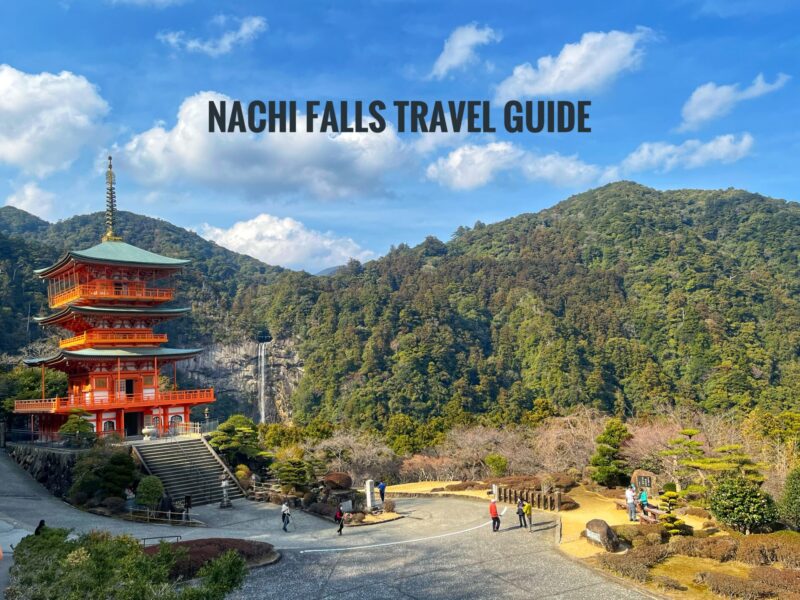
  • Kansai Wide Japan – Wakayama, Shirahama, Kumano, Nachi Falls, Amanohashidate, Ine, and more.
  • Chubu Region – Nagoya, Takayama, Shiragawa-go, Toyama, Kanazawa, Matsumoto, and more.
  • Chugoku Region – Hiroshima, Miyajima island, Okayama, Kurashiki.
  • Kyushu Region – Fukuoka, Kumamoto, Beppu, Kurokawa Onsen, Kagoshima, Miyazaki, and more.
  • Hokkaido Region – Sapporo, Hakodate, Lake Toya, Asahikawa, Noboribetsu, Otaru, Furano, and more.

For hassle-free, check out our Japan Travel Golden Route to Kanto, Kansai, and Chubu Region:

Japan Itinerary Blog: Perfect Travel Route for 7, 10, 15 Days

Japan Travel Tips: PRO TIP: If you are planning to visit several Japan regions, get the JR Pass. Using the apan JR Pass, you can freely travel as much as you like around Japan and potentially save lot sof money in the transportation. Check out the Japan JR Pass to get more detail.

Popular Japan Travel Destinations

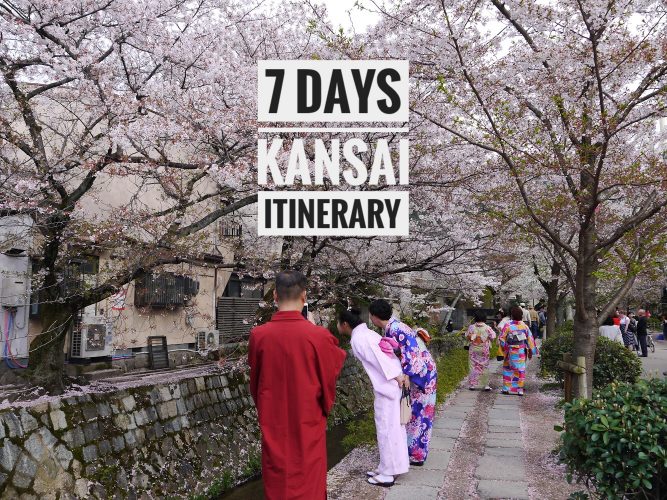
7 Days Kansai Itinerary
7-Days Kansai Itinerary
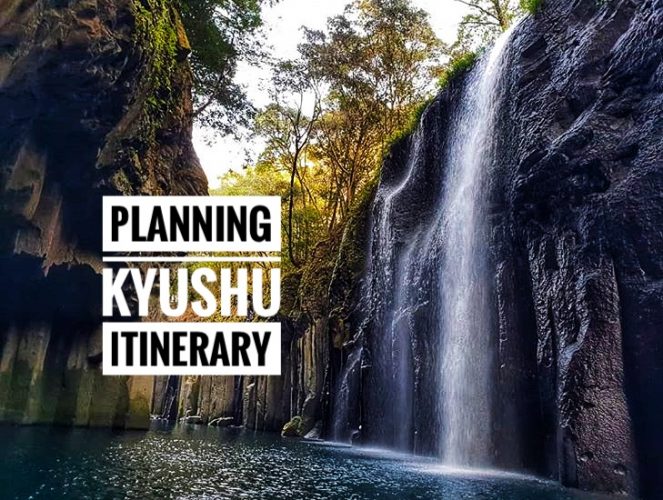
Kyushu Itinerary
10-Days Kyushu Itinerary
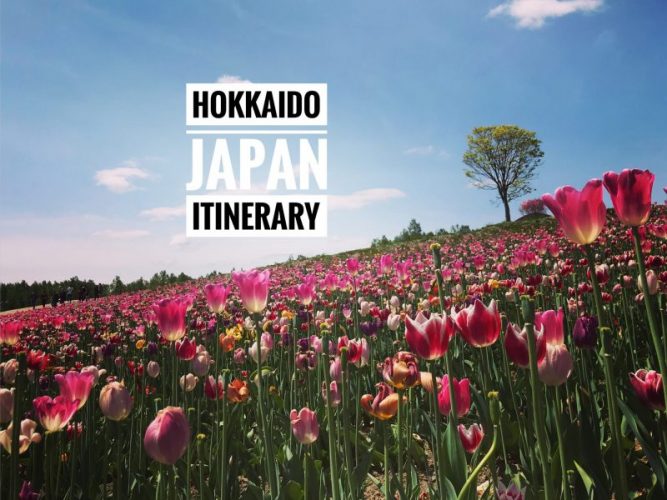
Completed Hokkaido Japan Itinerary in Spring & Summer
10-Days Hokkaido Itinerary

Getting To Japan and Traveling Around

From Tokyo To Kyoto By Domestic Flight

Japan is considered to be a relatively expensive country, but you can save a lot of money on transportation and make your Japan travel cheaper by following our transportation guide.

Getting To Japan By Flights

There are so many flight search engines available, so use them to find the best flight deals for your trip. I recommend browsing through Skyscanner to find the best flight deals from your point of origin.

Use Skyscanner to find the Best Flight Deal

International visitors typically arrive at Tokyo’s Narita Airport (NRT), followed by Kansai Airport (KIX) which is south of Osaka. If you are only looking for air tickets to Tokyo, please note that there are two airports – Narita International Airport and Haneda International Airport. While Narita International Airport is further away from Tokyo city compared to Haneda International Airport, more international flights are available.


Getting Around in Japan

Traveling in Kyushu By JR Train
Traveling in Japan by Train
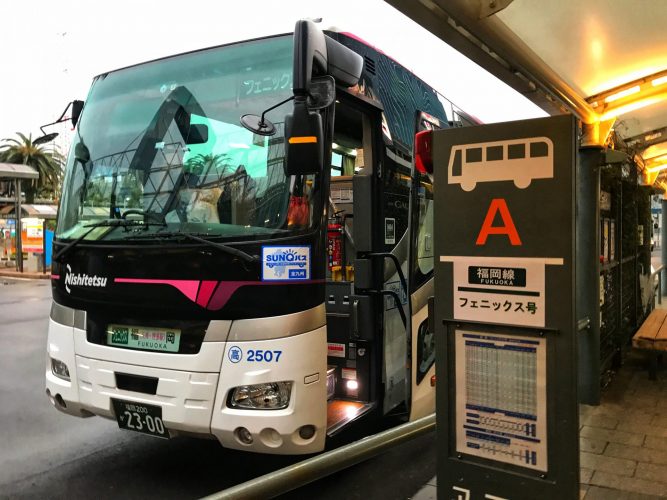
Traveling Kyushu By Bus
Traveling in Japan by Bus
Where To Pick Up Rental Car in Japan
Self-Driving in Japan

Rental Cars

Self-drive is one of the good option for traveling in Japan, especially in Hokkaido. We use and highly recommend Rental Cars.com for all our car rental bookings. Not only do they offer the best prices, but also have excellent customer service and the most flexible cancelation policy. Furthermore, you can often purchase car insurance as well, which is multiple times cheaper than at the counter.

Public Transport – Trains and Buses

Japan has the best and most effective public transportation system in the world, making it easy to get around the country but also expensive. Most of the time, we used the train to travel around Japan; local trains or high-speed trains. But some of the attractions only can be accessed by bus. Check out our Japan travel blog for more detail.
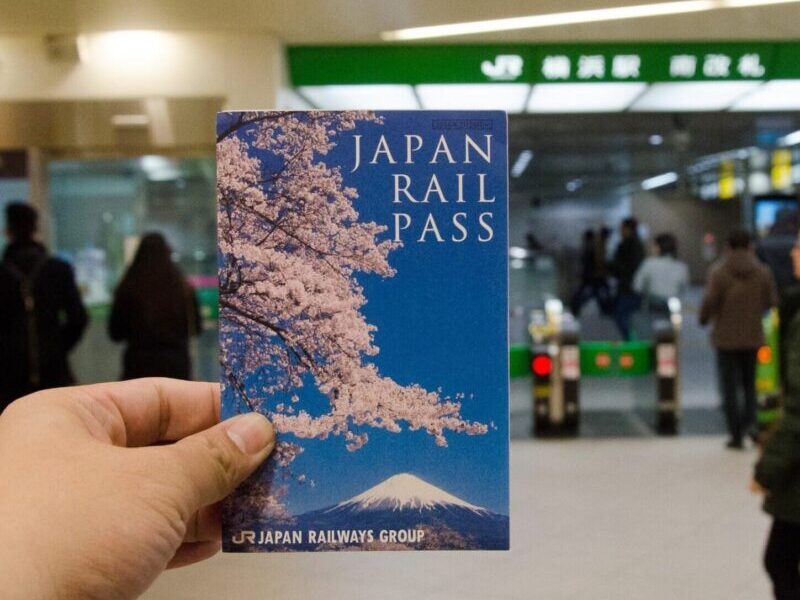
Japan Rail JR Pass

One of the best decisions you can make for your trip to Japan is to purchase a Japan Rail Pass. This unique train pass is available only to foreign visitors that making train travel much cheaper.

Click here for prices & information on how to order and save with the JR Pass.

The JR pass provides almost unlimited use of Japan’s extensive rail network and high-speed trains. It is available for either 7, 14, or 21 days. With this physical ticket, you can make the most of the extensive and reliable network of trains that connect every corner of Japan. But take note, JR Pass is only valid for JR trains under Japan Rail Company.

Pro Tips: It is considerably cheaper to buy your JR Pass at your home country. You can check out the latest prices for green and ordinary passes on Klook or Japan Rail Pass for more information.


Japan Travel Guide by Region/Cities/Towns

If you follow our Japan travel blogs for a while, then you already know that we love nature destinations and road trips. So it will come as no surprise that Japan is among our favorite places to visit in Japan. Since we haven’t visited all the attractions in Japan, we have written down some of the Japan travel guides on our blog.

We picked some of the popular Japan travel guide, separated by cities/towns, Japanese culture, and nature. Nevertheless, they’re packed with useful info and practical tips for your visit.

Here’s a small selection of our articles featuring other stunning nature and destinations in Japan. Take a look!

Kanto Region

The popular attractions in Kanto Region included Tokyo, Hakone, Kamakura, Enoshima, Nikko, Kawaguchiko, Fuji Five Lakes area, and Mt Fuji. Recommend setting aside a minimum of 3 to 5 days for the Kanto region. 
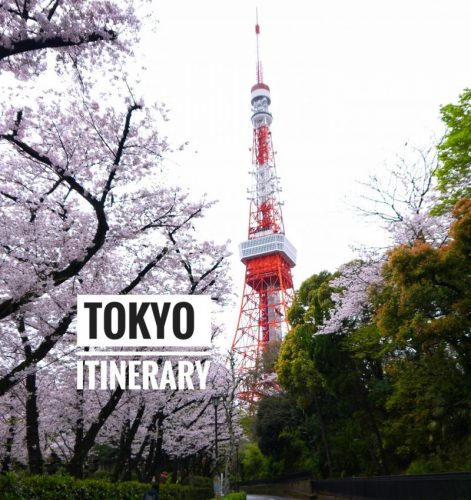
Tokyo Itinerary
Tokyo
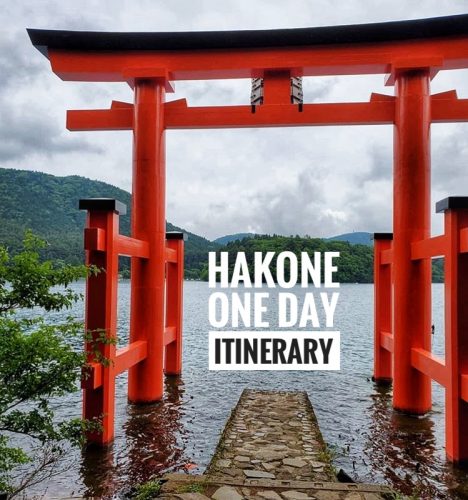
Hakone One Day Itinerary with Hakone Free Pass
Hakone

Tokyo – The capital of Japan with 13,8 million people, with the world´s best and most amazing shopping, dining, and nightlife. The perfect mix of the urban, modern, and energetic city.

Hakone – A popular place to escape the hustle and bustle of Tokyo, and famous for its natural and hot spring.

Kamakura – Home to iconic Buddhist temples such as the Kotokuin with its Great Buddha statue, as well as Shinto shrines like Tsurugaoka Hachimangu. Can spend time to visit the nearby Enoshima.

Nikko – A charming town brimming with cultural and natural wonders, including the must-see Nikko UNESCO World Heritage Site. Local favorite places for autumn foliage.


Kansai Region

The top popular attractions in Kansai Region are Osaka, Kyoto, Nara, Uji, and Kobe. It is best allocated 5 to 7 days if you wish to explore and discover the Kansai region.

How to Plan Your 7 Days Kansai Japan itinerary
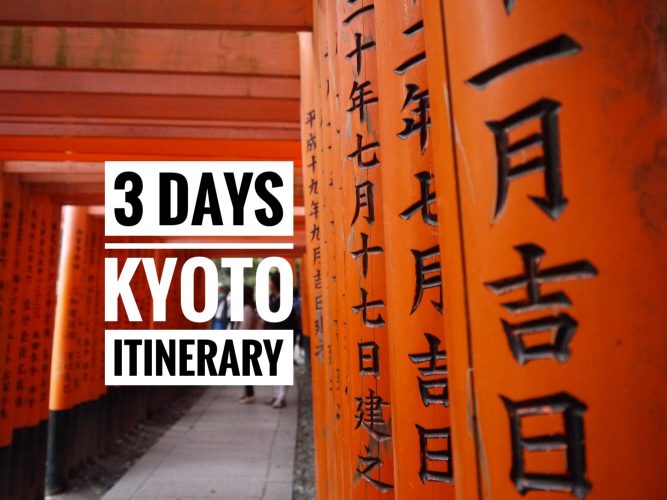
Kyoto itinerary Travel Blog
Kyoto
Nara itinerary Travel Blog
Nara
How to get to Osaka from Kansai Airport
Osaka

Kyoto – Cultural capital of Japan and home to 400 colorful Shinto shrines, 1600 ancient Buddhist temples, and several fantastic Japanese gardens. The best place to experience historic and ancient Japan.

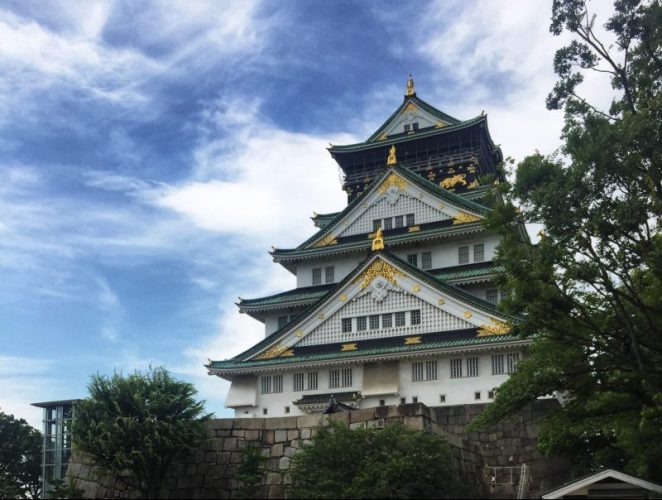
Osaka – The second largest metropolitan area after Tokyo, Osaka is renowned for its grand shogunate castle, nightlife, and food.

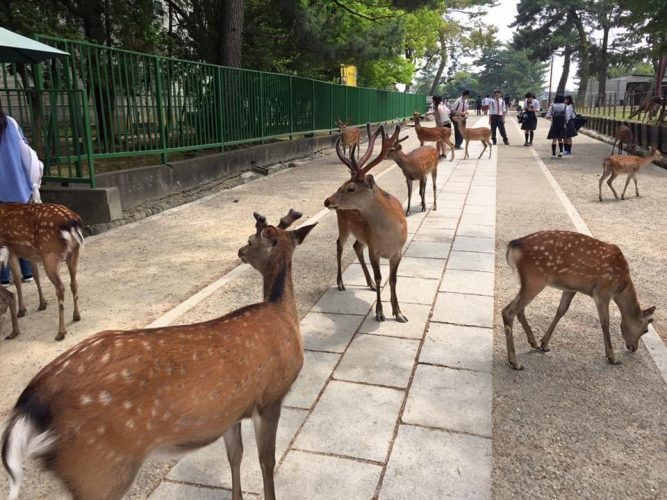
Nara – Visit the greatest Buddha in Japan, and feed the deer that walk freely around the city and temples.

Uji – Located conveniently between Kyoto and Nara. Famous for its traditional green tea and historical shrine.

Kobe – A port city for its tasty local Kobe beef, sake breweries, Mount Rokko, Chinatown, Harborland, and more.


Kansai Wide Region

If you’re visiting the Kansai region many times and would like to explore some new areas, then you may consider taking a look at this Kansai Wide Region. Please be advised that traveling time is required to below places depending on the distance (2 – 3 hours from Osaka / Kyoto).

The JR Kansai Wide Area Pass is a super-saving transport pass that allows you to explore the Kansai Wide region with unlimited travel for five consecutive days.

JR Kansai Wide Area Pass: Suggested Itinerary + Travel Guide
Amanohashidate Itinerary Travel Guide Blog
Amanohashidate
Ine Funaya Itinerary Travel Guide Blog
Ine Fishing Village
Nachi Falls Itinerary Travel Guide Blog
Nachi Falls

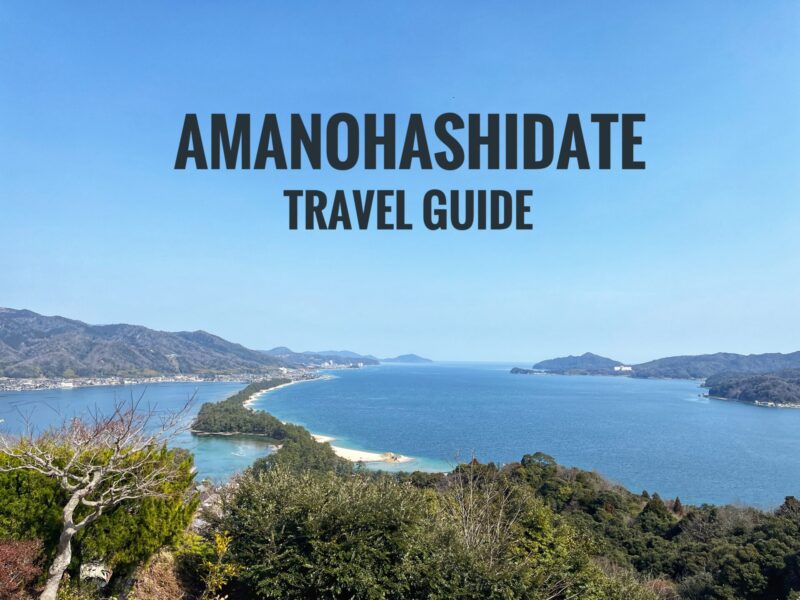
Amanohashidate – A narrow pine-covered sandbar that spans Miyazu Bay in northern Kyoto. A perfect day trip from Osaka or Kyoto to enjoy the scenic view with a laid-back vibe.

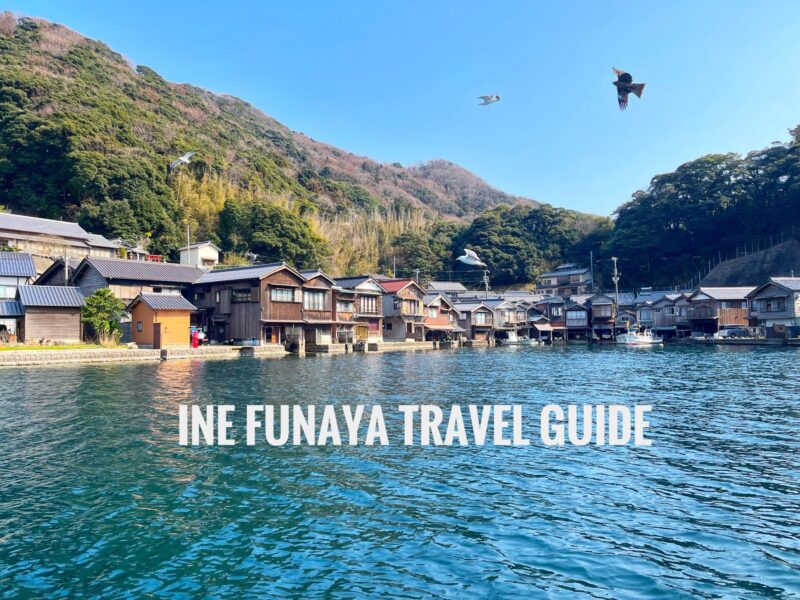
Ine Fishing Village – A seaside village in the “Kyoto by the Sea” area. This charming village is known for its picturesque Funaya, or boat houses, which have been around since the Edo period.

Himeji – Known as the White Heron due to its beautiful white exterior and its imposing hilltop location. Most visited castle in Japan, with almost three million visitors each year.

Kinosaki Onsen – A picturesque idyllic onsen town that has been running since the Heian era (794-1185) and is rated as one of the most charming hot spring towns in Japan.

Wakayama – One of Japan’s lesser-known cities that’s located on the Kii Peninsula in the Kansai Region.

Shirahama – One of the famous beach resort towns in Japan and known for its sandy white beaches, historical onsen, stunning rock formations, and mouthwatering seafood dishes.

Nachikatsuura is a small fishing town renowned for its seaside beauty and fresh seafood. The town is surrounded by blissful nature and filled with cultural and historical scenes. Nachikatsuura is an important gateway to seeing the famous Nachi Falls – one of Japan’s most famous waterfalls.

Shingu and Hongu – Part of the visit to sacred Kumano Sanzen for travelers who want to explore of the Kumano Kodo area.


Chubu Region

The Chubu Region (中部地方 Chūbu-chihō) is Japan’s hidden gem to explore the charming countryside of Japan. This central region widely consists of nine prefectures; Niigata, Toyama, Ishikawa, Fukui, Yamanashi, Nagano, Gifu, Shizuoka, and Aichi Prefecture. There are too many attractions in this region and below are few places that we visited and would like to introduce to you.

8-Days Chubu Itinerary: Complete Central Japan Travel Guide
Nagoya Itinerary
Nagoya
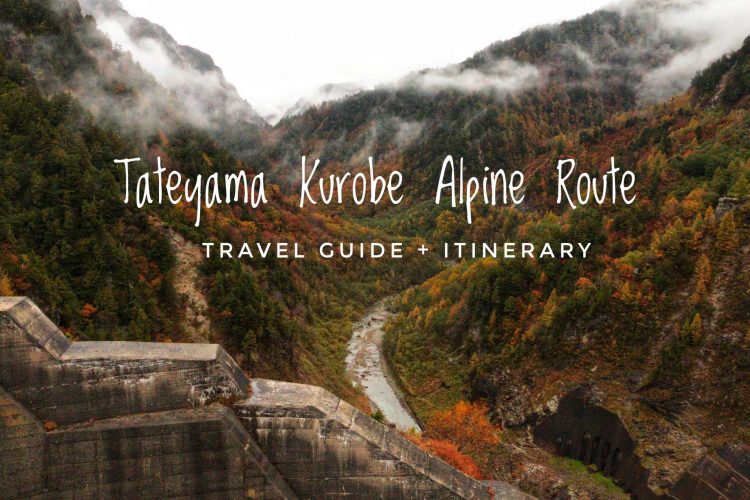
Tateyama Kurobe Alpine Route
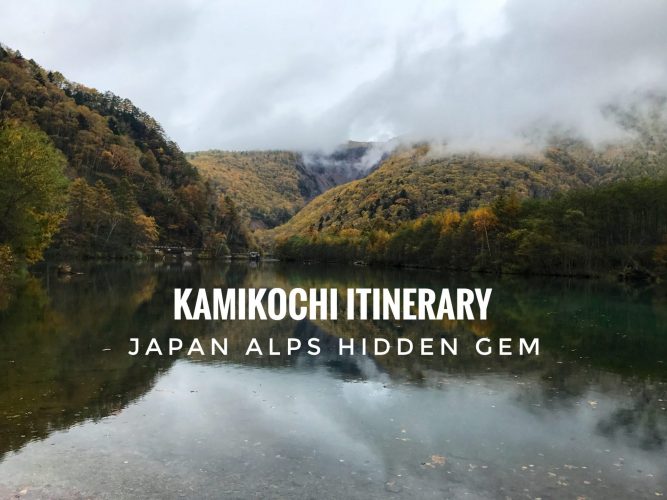
Kamikochi Itinerary
Kamikochi
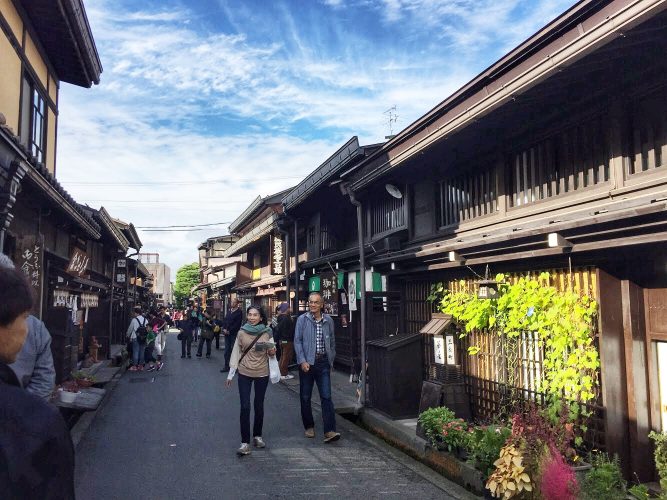
Strolling in Sanmachi Street Takayama
Takayama
Shirakawago with Gassho-zukuri House
Shirakawago

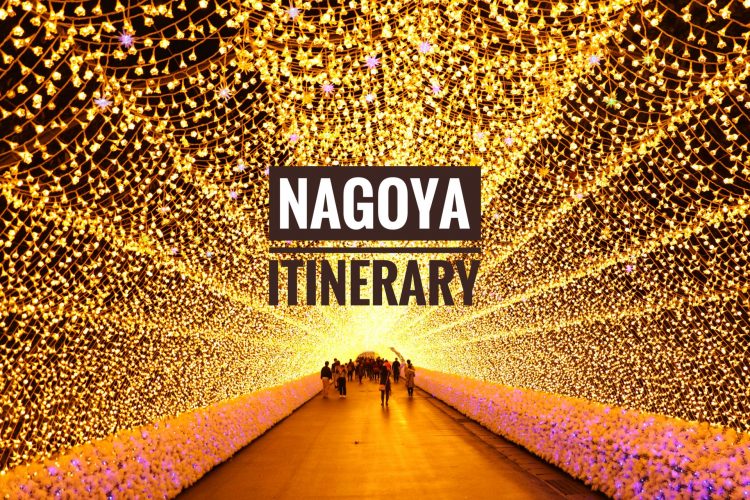
Nagoya – The main city in the Chubu region and known for its towering castle. Don’t forget to try the Sekai no Yamachan, a famous izakaya in Nagoya that served the flavorful chicken wing.

Takayama – Beautifully preserved old town since the Edo period with gorgeous wooden old houses, shops, and sake breweries lined up in the street.

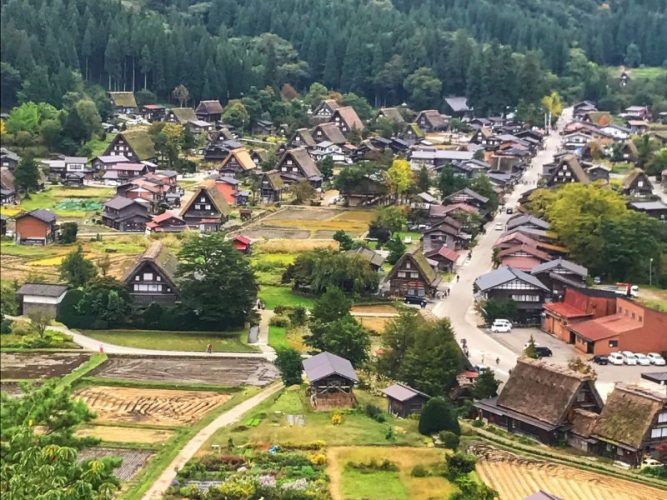
Shirakawago – UNESCO world heritage site located in forested mountain countryside. Picturesque villages with traditional thatch-roofed houses called “Gassho zukuri” which exists for over 200 years.

Kanazawa – The capital of the Ishikawa prefecture, boasts of its traditional houses and historic structures, Japanese garden Kenrokuen, and mouthwatering seafood.

Matsumoto – Don’t forget to visit Japan’s most beautiful original castle, Matsumoto Castle (松本城, Matsumotojō). One of the Top Three Japan Premier Castle.

Kamikochi – Part of the Chubu Sangaku National Park, offering Japan’s most spectacular mountain scenery.

Tateyama Kurobe Alpine Route – Known as the “Roof of the Japan” and popular among locals and visitors for incredible nature activities. The famous grand ‘Snow Wall’ is open from mid-April to late June!

Other notable attractions in the Chubu region included Niigata, Yamanouchi for monkeys bathing in a natural onsen in Jigokudani Monkey Park.


Chugoku Region

Literally name a central country, the Chugoku region (中国地方) is the westernmost region of Honshu. The region is also known as the San’in-San’yo region, and it is the largest island in Japan.

This region is lesser known by travelers compared to the boarded region like the Kansai region and Kyushu region. But many locals love visiting the Chugoku region for its well-known historical, traditional shrines, and natural beauty.
Hiroshima itinerary Travel Guide Blog
Miyajima itinerary Travel Guide Blog

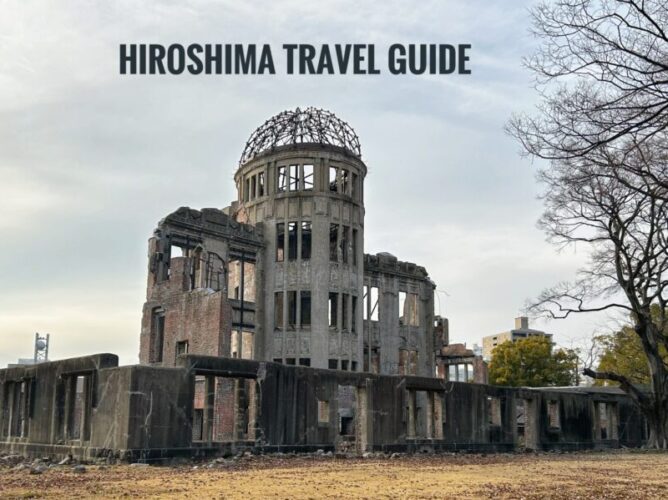
Hiroshima – With the grim past, Hiroshima is full of fantastic sights and historical attractions. A visit to historical sites like A-Bomb Dome, Peace Memorial Park, and Peace Memorial Museum is truly an emotionally-encompassing experience!

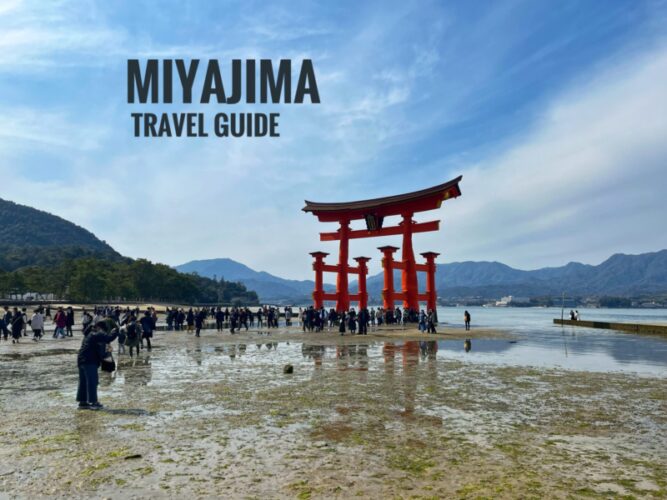
Miyajima Island – This enchanted island houses the world-famous Itsukushima Shrine and its enormous torii gate. At high tide, this UNESCO World Heritage Site and the giant torii gate appear to float on water.

Mt Misen – At 500 meters (1,640 ft) above sea level, Mount Misen is the highest peak on the Island and offers spectacular views of Hiroshima Bay. A popular spot to visit on Miyajima island.

Okayama – Notable attractions include the Okayama Castle and Korakuen, the iconic landscape garden.

Kurashiki – A picturesque town with charming traditional white-walled warehouses dating back to the Edo period line along the canal.


Hokkaido (Northern Region)

With magnificent unspoiled nature, Hokkaido is a heaven for a lot of outdoor lovers, especially during wintertime. It is a great place for skiers and snowboarders, most especially in the ski resort town of Niseko.

Planning for 10-Days Hokkaido itinerary in Summer

During spring and summer, Hokkaido welcomes visitors to its famous flower field such as Kamiyubetsu Tulip Park, Furano lavender fields, Tenjin Wisteria, Sapporo Lilac Festival, and more. Also, renowned for the high quality and freshness of its seafood!
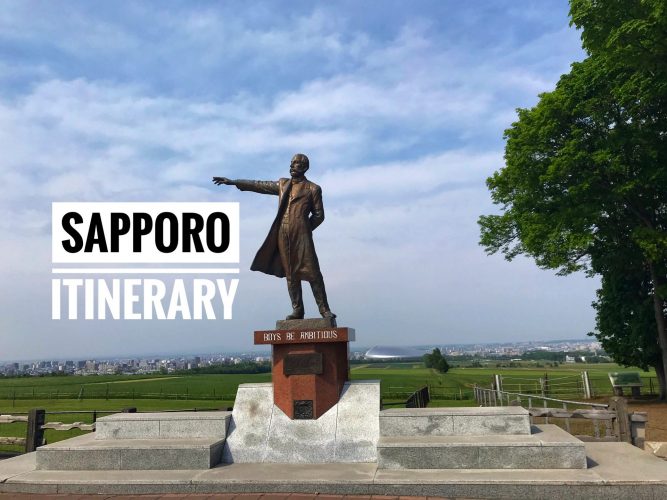
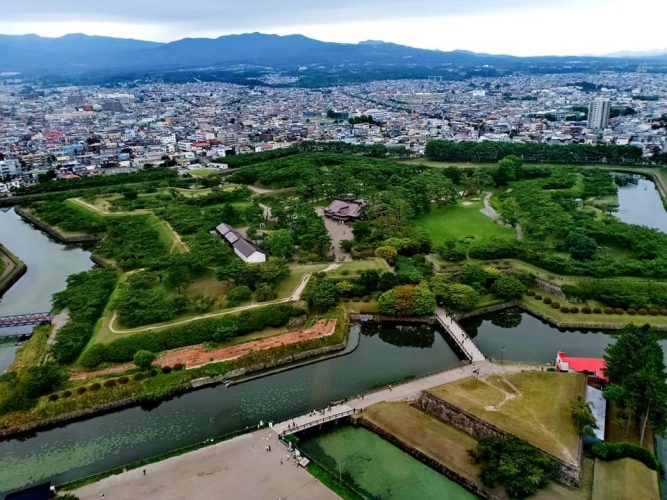
Sapporo Itinerary
Sapporo
Goryokaku Fort
Hakodate
Otaru Itinerary
Otaru
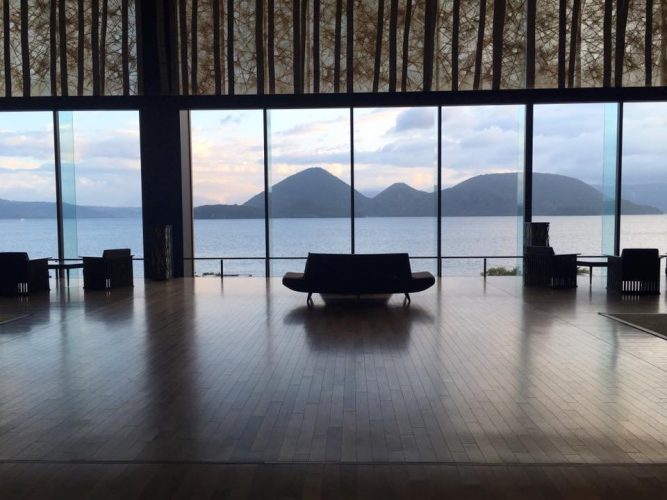
Toya Sun Palace Resort And Spa View at Lobby
Lake Toya
Farm Tomita Hokkaido Self Drive Itinerary
Asahikawa, Furano, Biei
Jigokudani aka Hell Valley
Noboribetsu

Sapporo – Largest city in Hokkaido, Sapporo is famous for its beer, skiing, and annual Sapporo Snow Festival featuring enormous ice sculptures during winter.

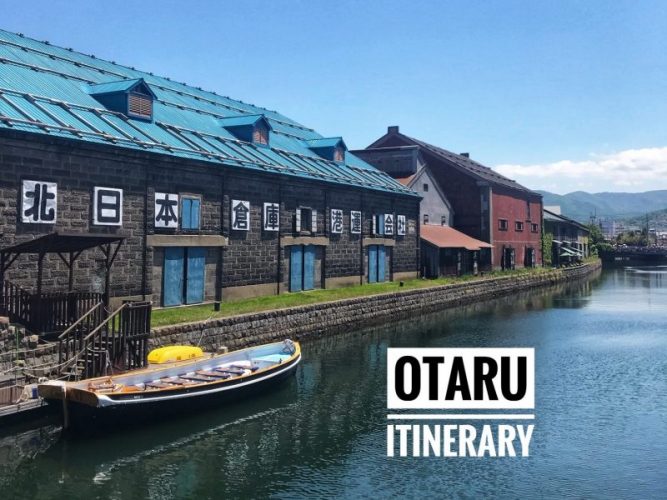
Otaru – European-influenced harbor front city that full of charm with beautifully preserved canal areas and historical buildings. Famous for its seafood cuisine, pastry, and dessert.

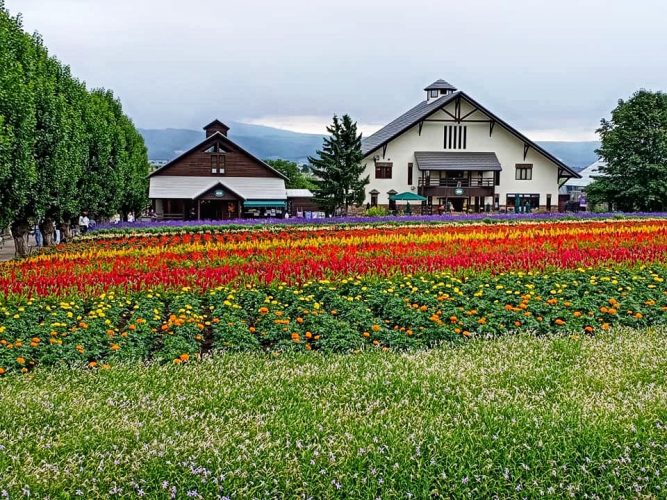
Asahikawa, Furano, Biei – World-famous for its flower field and Japan’s scenic countryside. Various flowers field continue to bloom from April until around October.

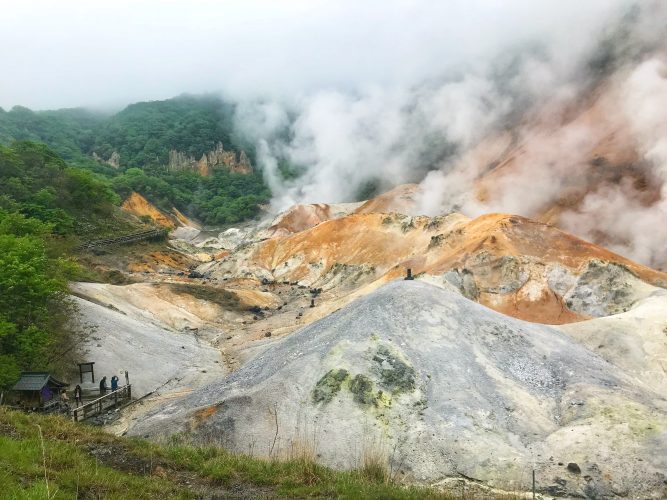
Noboribetsu – Japan’s most famous hot spring resort town and well known for its natural hot springs water that comes from a geothermal wonder volcanic valley, Jigokudani situated just above the town.

Hakodate – A laid-back international atmosphere city with mouth-watering fresh seafood.

Lake Toya – A peaceful and quaint little town that is known for its hot springs and the magnificent view of Lake Toya. Spend your day at Mt Usu by Usuzan ropeway, enjoy the onsen bath with an amazing lake view. Fireworks display over the lake from May to October!


Kyushu Region (Southwest)

Literally, as nine provinces, Kyushu encompasses seven prefectures: Fukuoka, Kumamoto, Nagasaki, Oita, Saga at Northern Kyushu, and Miyazaki, Kagoshima at Southern Kyushu. Lesser known than the Greater Tokyo Area, Kansai, and Hokkaido but yet big enough to offer everything you could look for in a travel experience.

How To Plan Your Kyushu Itinerary: Ultimate Guide

Below are the top attractions in Kyushu that are highly recommended:
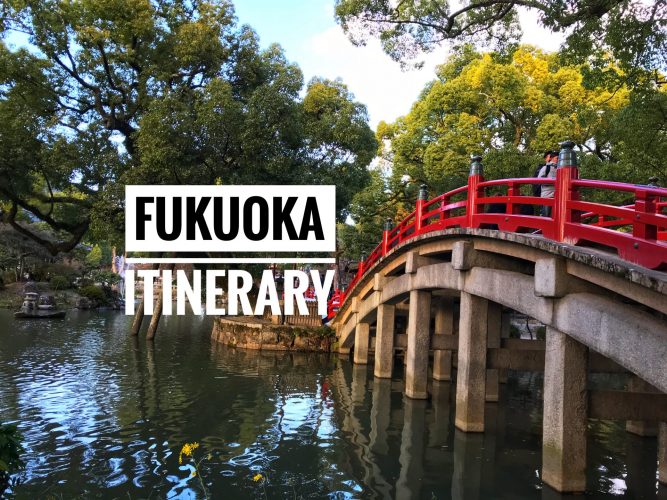
Fukuoka Itinerary
Fukuoka
Peace Statue at the Nagasaki Peace Park
Nagasaki
Beppu Itinerary and Travel Guide
Beppu
Wandering around in Kurokawa Onsen Town
Kurokawa Onsen
Kumamoto Travel Guide: Things To Do in Kumamoto
Kumamoto
Yufuin Travel Guide And Itinerary Blog
Yufuin

Northern Kyushu

Fukuoka – Biggest and busiest city in Kyushu, Fukuoka is a great base when visiting the Kyushu region. Birthplace for many wonderful Japanese cuisines such as Hakata ramen, motsunabe, mizutaki, and even yatai culture.

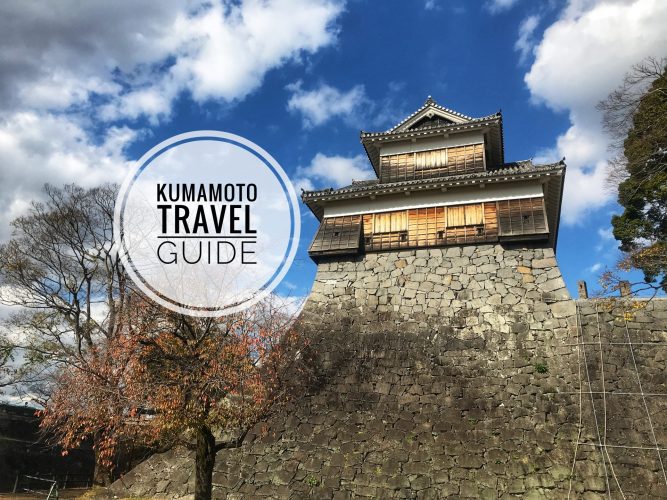
Kumamoto – Known for its stunning historical Kumamoto Castle, one of the three most impressive and extremely well-fortified castle complexes in Japan.

Mount Aso – The largest open active volcano in Japan and a few craters that are open for tour in the world.

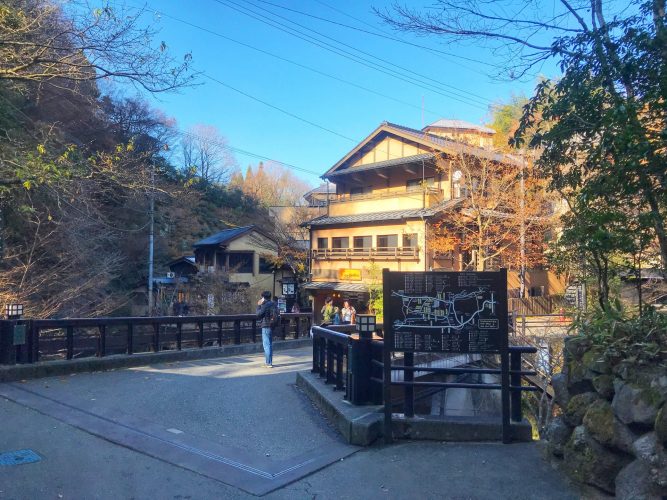
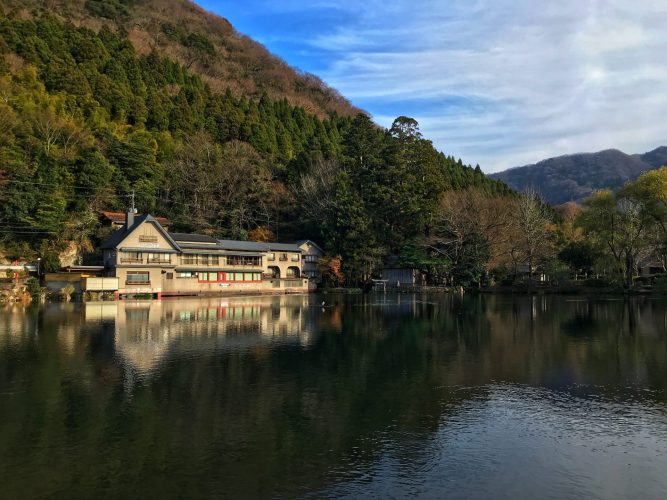
Kurokawa Onsen – Consider Japan’s most scenic natural hot spring town, boasted of various unique onsen and ryokan.

Yufuin – Popular hot spring town with many specialty shops, local craft souvenir shops, cafes, and restaurants lining both sides of the street.

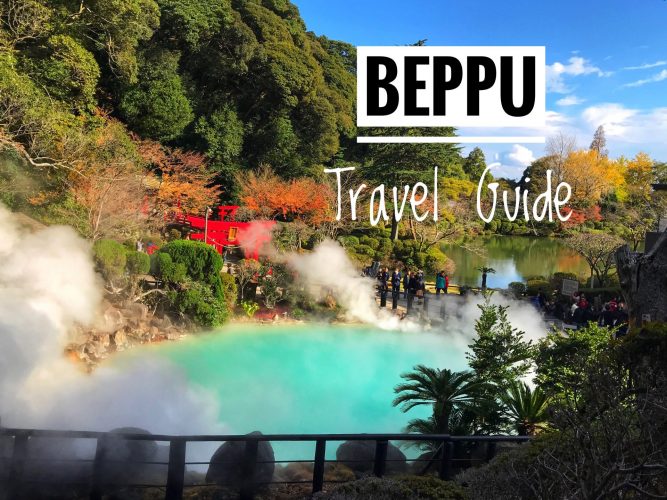
Beppu – Home of more than two thousand onsen spots and blessed by a variety of hot spring resources. Well-known as a hot spring resort and Jigoku Meguri consists of 8 unique hot springs.

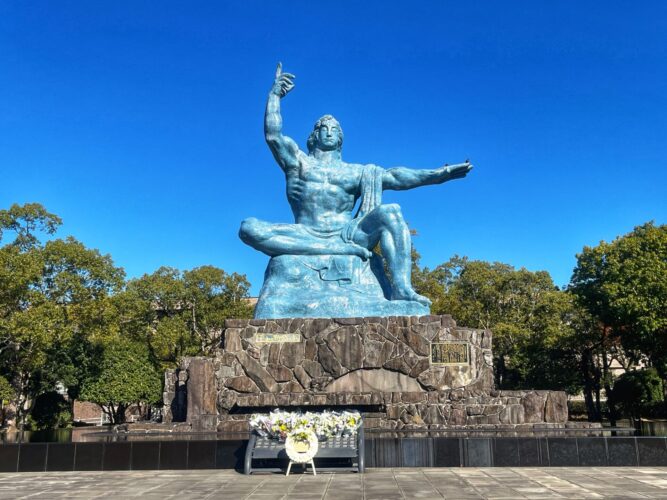
Nagasaki – Synonymous with a key moment during World War II, after suffering an Allied nuclear attack. A historic port that mix of Japanese, Chinese and Dutch cultures.

Sasebo – The Kujukushima sightseeing cruise which delight you with the spectacular scenery.

Kitakyushu – Formed by the merging of five independent cities, namely, Kokura, Moji, Yahata, Tobata, and Wakamatsu. An important hub for international trade since the Meiji period and is connected between Honshu and Kyushu.

Southern Kyushu
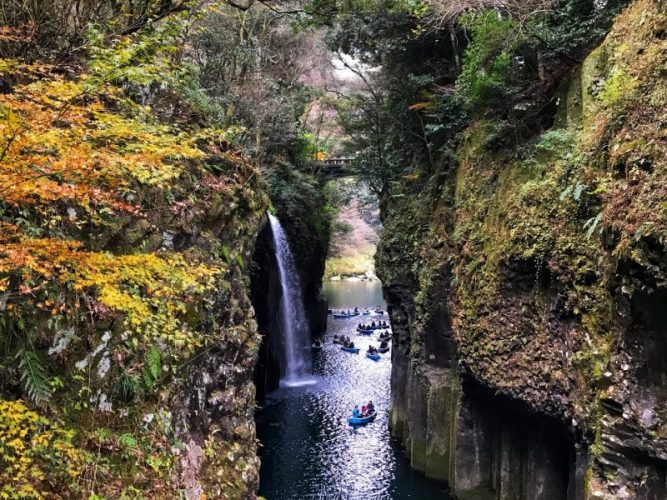
Takachiho Gorge
Takachiho Gorge
Kagoshima Itinerary - A Travel Guide Blog
Kagoshima
Kirishima Itinerary - What to do in Kirishima
Kirishima

Miyazaki – An amazing city is full of tropical nature and historical landmarks. Take an excellent day trip to the Nichinan coast and visit popular attractions like Aoshima Island, Udo Jingu Shrine, Sunmesse Nichinan, and Obi town.

Takachiho Gorge – One of Miyazaki prefecture’s most famous sights. The V-shaped gorge has been formed by the Gokase River as it carves its way through the Aso lava.

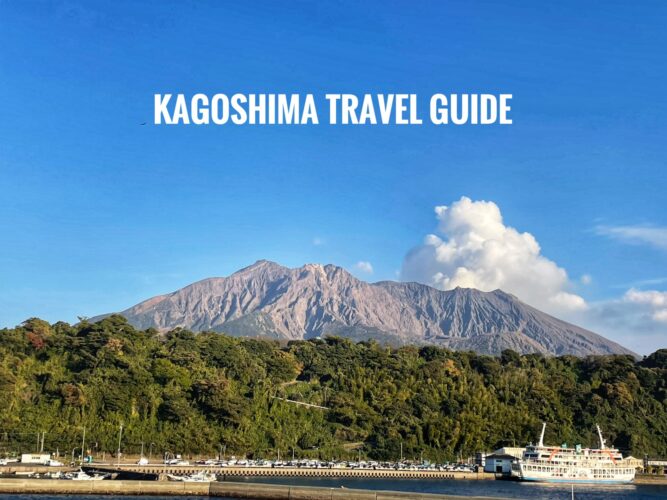
Kagoshima – Known for the smoking volcano of Sakurajima, breathtaking natural attractions, and local cuisine.

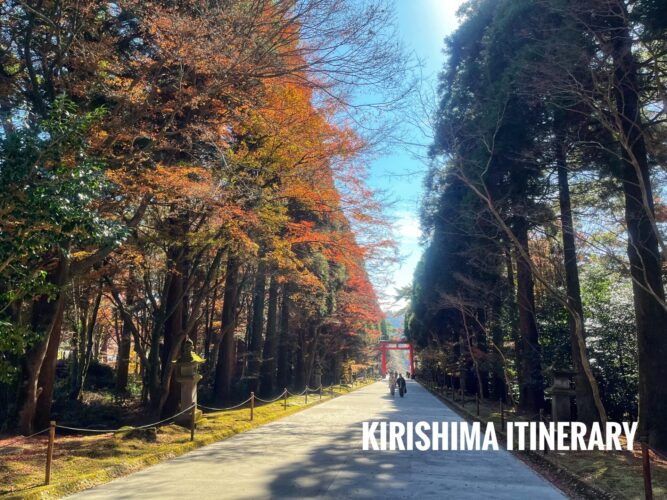
Kirishima – Active volcanic mountain range that lies on the border between Miyazaki and Kagoshima Prefectures. It is well-known for its natural beauty (stunning mountains, highlands, volcanic lakes, and onsen).


Day Tour in Japan

any places in Japan can easily be visited on your own with well planning Japan Travel Guide. Plus, if you are traveling by trains and buses, some destination in Japan is hard to reach by using public transport. For hassle-free, you can always look for a local tour with everything well planned for you.

Often, you can just book tours upon arrival. However, many popular excursions get sold out weeks in advance. So if you know your travel dates and what you want to do, you can just as well book it upfront.

PRO TIPS: For our own tips, we book pretty much all our tours and organize activities via Klook. It’s our favorite one-stop shop for all-organized tours because they have the best customer service and cancelation policy we have ever seen.

Booking directly with a local company usually means that you can’t cancel for free, let alone get a refund in case something went wrong. For that, it’s always helpful to have a strong intermediary and Klook is the best one we know.


Best Food in Japan
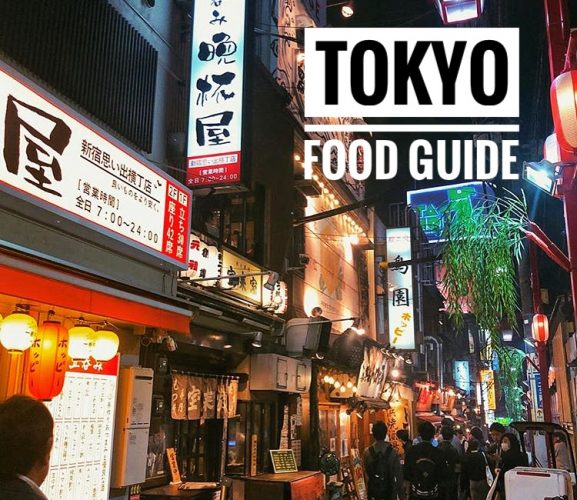
Tokyo Food Guide
Tokyo Food Guide
Kyoto Food Guide with Best Restaurant
Kyoto Food Guide
Hokkaido Food Guide
Hokkaido Food Guide
Fukuoka Food Guide
Fukuoka Food Guide
Osaka Food Guide - What To Eat in Osaka
Osaka Food Guide
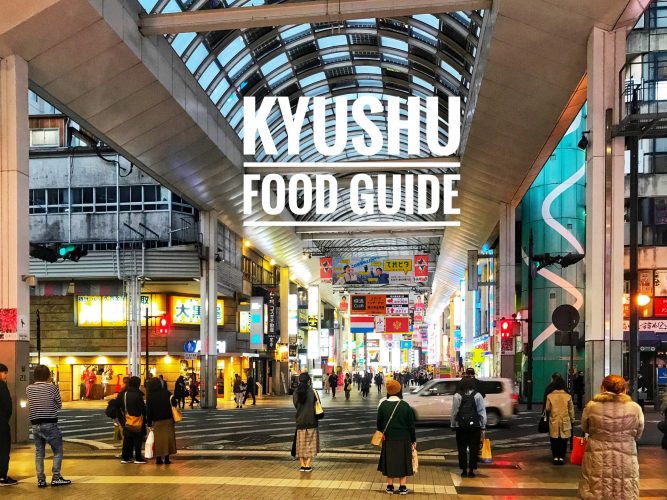
Kyushu Food Guide
Kyushu Food Guide

Savoring the delicious Japanese cuisine is half the reason why you should visit Japan! Japan is a country that takes great pride in its food culture. A visit to Japan would not be complete without experiencing the best Japanese food in Japan. For a truly unique Japanese food experience, I bet you don’t want to miss out on the top Japanese food dishes and drinks whenever visiting Japan.

Japan Food Guide: Best Food You Have To Eat in Japan

Each Japan region had its popular food and best restaurant. Let’s take a quick journey through Japan’s most famous specialty dishes.


Overall: Japan Travel Guide

All in all, it can be a daunting task to plan a Japan trip because the country is undeniably packed with SO many interesting places, picturesque sights, good food, fun activities, and colorful culture among many others! We always wish to go back to Japan to explore more and continue adding our Japan travel experiences here.

Japan Itinerary Blog: Perfect Travel Route for 7, 10, 15 Days

Japan Travel Guide by region:

  • Kanto Japan – Tokyo, Hakone, Kawaguchiko.
  • Kansai Japan – Osaka, Kyoto, Nara, Uji, Kobe.
  • Kansai Wide Japan – Wakayama, Shirahama, Kumano, Nachi Falls, Kii Katsuura, and more.
  • Chubu Region – Nagoya, Takayama, Shiragawa-go, Toyama, Kanazawa, Matsumoto, and more.
  • Chugoku Region – Hiroshima, Miyajima island, Okayama, Kurashiki.
  • Kyushu Region – Fukuoka, Kumamoto, Beppu, Kurokawa Onsen, Kagoshima, Miyazaki, and more.
  • Hokkaido Region – Sapporo, Hakodate, Lake Toya, Asahikawa, Noboribetsu, Otaru, Furano, and more.

So this is our Japan travel guide blog. We hope this simple guide is useful for your coming Japan trip. Enjoy your trip to Japan!
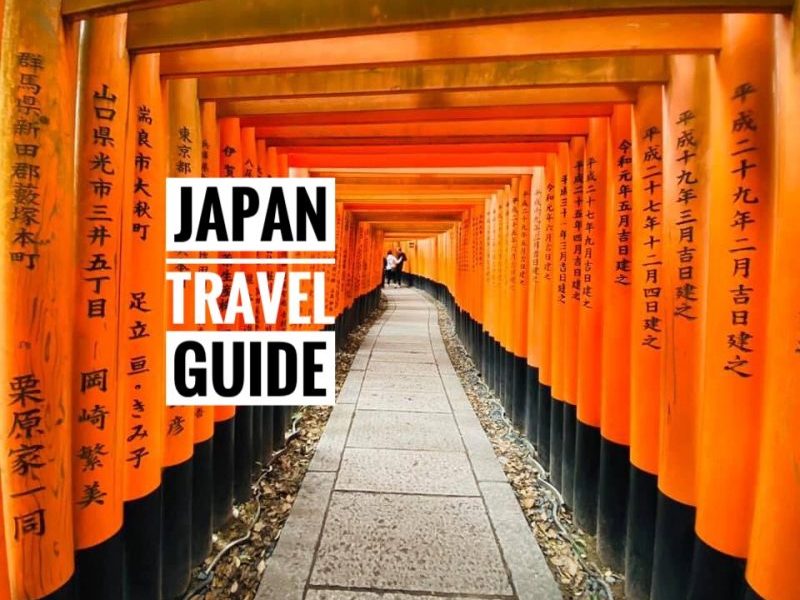
Japan Travel Guide Blog
Yosemite Itinerary Travel Guide Blog

Yosemite Itinerary: Travel Guide Blog For 1,2, 3 Days

posted in: United States | 0

Last updated on May 16th, 2026

Planning to spend 1, 2, or 3 days in Yosemite National Park? This ultimate Yosemite itinerary features the best views, things to do, and travel guide tips to spend your time in this spectacular corner of California.

Famed for its iconic vistas or towering waterfall, spellbinding natural landscapes, smooth domed rock formations, and the unspeakably majestic valley, Yosemite National Park is the kind of national park that’s worth the hype. It is an incredible place if there’s ever been a “must-visit” destination in the USA.

For me, Yosemite was one of the most beautiful national parks in the US that I ever visited. I have no words to explain how fantastic this place is. During my visit, I had the chance to truly appreciate its splendors by seeing the incredible waterfalls, sprawling meadows, towering granite cliffs, and huge sequoia trees. I can post thousand of pictures, but the impressive and breathtaking views have to be seen in person to be believed.

There are so many things to do all over the park, from hiking, biking, climbing, or even just sightseeing leisurely. No matter how long you spend here, it is important to know how to spend your time in this spectacular corner of California efficiently.

This Yosemite itinerary will show you the best way to plan your Yosemite itinerary for 1, 2, and 3 days. A detailed Yosemite travel guide blog for how I spend 3 days in Yosemite National Parks and some of the useful tips, featuring Glacier Point, Yosemite Valley, Mariposa Grove, and Tioga Pass Road.

Yosemite National Park

Yosemite National Park Itinerary

Before we go into detail on our Yosemite itinerary, here is some useful information about the Yosemite National Park.

Yosemite National Park Factfile
Address: PO Box 577, Yosemite National Park, CA 95389
Official Website: nps.gov/yose
Phone: (209) 372-0200

Park Hours: All day, every day
Entrance Fee: US$ 35 Vehicle 7 Day Pass
Annual Visitors: 4.5 million

Top Activities: Hiking, Camping, Rock Climbing, Stargazing, photography.

As per above, the entrance fee costs $35 per vehicle and is valid for seven days. Pay in advance or on arrival at the entrance gates (credit card only). Get America the Beautiful Annual Pass which costs $80 if you plan to visit more than two National Parks within a year.

Wilderness Permit are required for all overnight hikes.

Half Dome Permit is required to hike to the top of Half Dome are required seven days per week when the cables are up and are distributed by lottery.

Lodging options inside Yosemite National Park are extremely challenging to book especially on holidays. It is best to reserve once you have the plan to Yosemite National Park.

Yosemite Travel Tips

Friendly advice for those who plan to visit Yosemite National Park, especially first time:

  1. Depending upon where you’re coming from, this will be a long drive – check your GPS and plan accordingly.
  2. Driving in Yosemite at night is no laughing matter. Construction work started at night in the park and it was dark, really dark. Please plan your time accordingly.
  3. Services are minimal. Get gas for your car before you start.
  4. Do not rely on your cellphone GPS. Get a traditional map from the Visitor Center.
  5. Bring snacks and drinks. I would turn this into a picnic location.
  6. Take your time and make the journey part of the adventure. Yosemite has much to see and doesn’t race around from point to point. Stop along the way and enjoy this trip.
  7. Make time and plan for a hike even for the short one!
  8. The camera/Phone is a MUST. Take panoramic photos. The view here is awesome.

How To Get To Yosemite

Depending on where you’re coming from, enter to the valley with the nearest entrance can save your time to explore more inside the park.

  • Los Angeles, and San Diego – enter via Fresno and South Entrance.
  • San Jose – enter via Arch Rock entrance.
  • San Francisco and Oakland – enter via either Arch Rock Entrance or Big Oak Flat Entrance.
  • Sacramento (and North to Oregon/Washington) – enter via Big Oak Flat Entrance.
  • Reno, Las Vegas, Death Valley (and East to all US) – enter via Tioga Pass Entrance (only opened in May-Oct).

If you plan to hire a car and drive to Yosemite, compare prices and options with Rental Cars for the best price guarantee.

Driving Entrances to Yosemite

Yosemite National Park is huge with 5 entrances in total. Most of the people will use the below 4 main entrance, which is more convenient and accessible to the valley. Most of the travelers should begin and end either at Big Flat Oak, Arch Rock, or the South entrance.

  • South Entrance (South)
  • Arch Rock Entrance (Southwest)
  • Big Oak Flat Entrance (Northwest)
  • Tioga Pass Entrance (East, only open May-October)

Besides self-driving in Yosemite, Yosemite also provides a free shuttle bus that loops around the valley that you can hop on and hop off at each stop. This greatly helps to reduce congestion and pollution in the park. Finding a car parking space in Yosemite can be frustrated during summer and holidays. We advise starting your Yosemite itinerary as early as possible to avoid the crowd.

Take note that shuttles are currently not running within the parks due to recent global health and safety issues.

Things To Do in Yosemite

Things To Do in Yosemite

Of course, the best things to do on your Yosemite itinerary are within the Valley itself. Here are some of the top 10 things to do in Yosemite for you to consider in the Yosemite itinerary:

  1. Tour along the valley – Self-guided driving tour is the most flexible way. Simply pick up a map from the visitor center and explore Yosemite at your own pace. While bus Tour is available all year round if you’re unwanted to plan to drive. Choices range from 2-hours to a full-day tour.
  2. See Yosemite Valley Waterfalls – Feel the spray hitting you and hear the pounding water from waterfalls in Yosemite.
  3. See the Famous Viewpoints in Yosemite – Tunnel View, Valley View, Glacier Point, Half Dome, El Capitan, and so many of the attractions that you can’t miss during your trip to Yosemite.
  4. Rock Climbing – Yosemite is the most famous rock climbing destination in the United States and has multiple good spots for you to attempt! Make sure you’re physically fit for rock climbing.
  5. Hiking -The best way to see the beauty of Yosemite National Park. Pick at least two or three hikes, doesn’t matter a short or long hike, just to mesmerize the nature beauty..
  6. Walk Among Giant Sequoias – You can walk among Yosemite’s Sequoias; Mariposa Grove, Tuolumne Grove, and Merced Grove.
  7. Camping – A great way to experience the park, and it allows you to wake up on location, ready for a day of exploration or hiking. A wilderness permit has to be obtained before any backpacking activities.
  8. Biking – Take advantage of the 12 miles of paved bike paths available in Yosemite Valley.
  9. Water Activities – Swimming, rafting, boating, kayaking, fishing, there are so many water activities to do in Yosemite!
  10. Ranger and Interpretive Programs – Learn about Yosemite with a ranger while walking around and appreciating marvelous scenery.

For more details, have a look at the 3-Days Yosemite itinerary to do how we spend a wonderful time in the park.

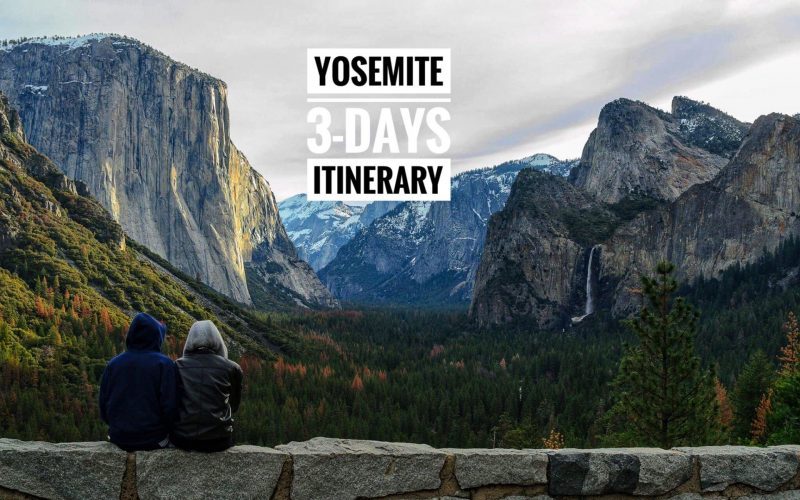
3-Days Yosemite Itinerary

Yosemite Best View

To help you make the most out of your time in the Yosemite national park, here is our Yosemite for day 1, 2, and 3 for your reference. Remember to take into consideration season, timing, interest, travel parties, and the crowd when planning for your Yosemite itinerary. 

Yosemite Itinerary – Day 1:

  • Arrived at Yosemite National Park and head to Glacier Point Road.
  • View on Half Dome at Washburn Point and Glacier Point.
  • Sentinel Dome Trail or Taft Point.
  • Sentinel Meadow and Cook’s Meadow.
  • Tunnel View.

If you have more time on day 1, you can slot in any of the attractions in the Yosemite valley.

Yosemite Itinerary – Day 2:

  • Continue driving along the valley loop in Yosemite National Park.
  • Bridalveil Falls
  • Hike the Lower Yosemite Falls Trail to see the Yosemite Falls.
  • Mirror Lake
  • Mariposa Grove of Giant Sequoias.
  • Grizzly Giant Loop Trail.

Yosemite Itinerary – Day 3:

  • Begin the drive up Tioga Pass Road.
  • Olmsted Point, Tenaya Lake, and Tuolumne Meadows.
  • A short hike at Lembert Dome.
  • Goodbye to Yosemite.

Above 3 Days Yosemite itinerary is flexible and can easily be done by swapping attractions for day 1 and day 2. But day 3 is slightly far away from the valley. Besides, Tioga Pass Road is only open from May to October.

Yosemite Itinerary – Day 1

On Day 1 of our Yosemite itinerary, we drove all the way and arrived at the Yosemite National Park in the morning. We first made our way up to the winding Glacier Point Road (open from mid-May to October/November) from the South entrance.

Drove to Glacier Point from the Yosemite entrance, takes about an hour. It was a pleasant drive with a panorama view along the journey. We stopped by the Washburn Point to have the first glance at Half Dome on our way up.

At Glacier Point, we took a countless photos before we proceed to the next agenda. The view from the glacier point is breathtaking, one of the most beautiful viewpoints I have ever seen in my life. Next, we proceed for a hike to Sentinel Dome and Taft Point (2.2 miles) for more astounding views. The hikes were short and not too difficult. The views at the top were even better with a 360-degree view of multiple peaks including Half Dome. In total, we spend about 4 – 5 hours at Glacier Point.

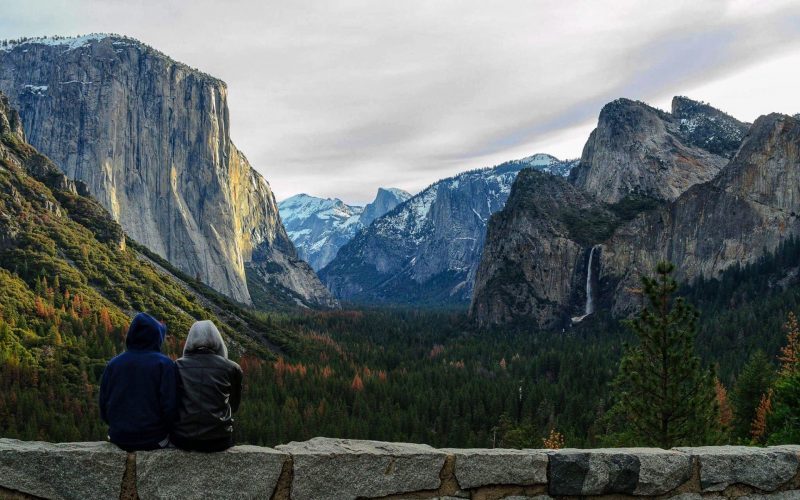
Next, we drove back into Yosemite Valley, stopping at Cook’s Meadow for another short hike. Depending on your time and schedule, we were late at that time, else you can proceed with the attraction in Yosemite Valley. We ended our Day 1 Yosemite itinerary at Tunnel View and get a perfect picture of El Capitan and Bridalveil Falls.

Yosemite Itinerary Day 1:

  • Arrived at Yosemite National Park and headed to Glacier Point Road.
  • Glacier Point, Sentinel Dome, and Taft Point (4 – 5 hours)
  • Cook’s Meadow and Tunnel View (2-3 hours)

Washburn Point

Washburn point - Yosemite Travel Blog
View at Washburn Point

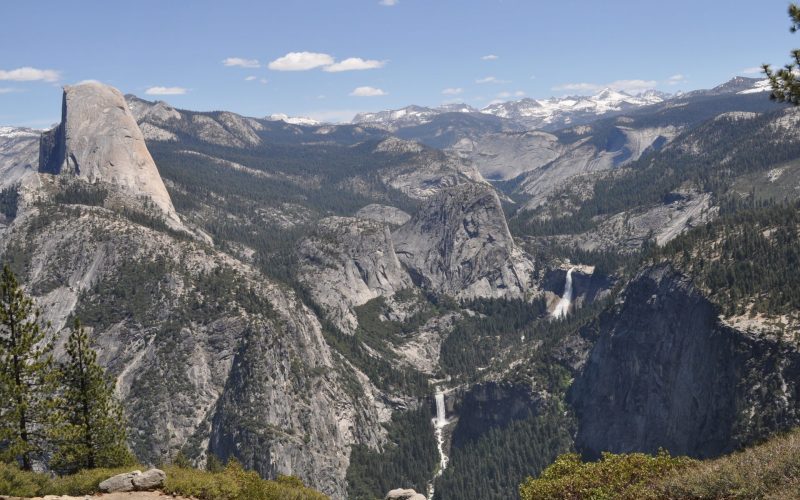
Washburn Point is the first amazing view of Half Dome that you experience when driving up to Glacier Point Road, en route to Glacier Point. Just before Glacier Point, we stopped by Washburn Point to have the first glance at Half Dome on our way up. You can also opt to visit Glacier Point first and come back to Washburn Point.

The views at Washburn Point were so beautiful. It offers a great view of Yosemite Valley and all the famous landmarks. I prefer this view to that of Glacier Point, as it offers great views of both Nevada and Vernal Falls. But you can’t see the Yosemite Falls which are on another side. The parking lot is smaller than Glacier Point.

Worth taking the 10-15 minutes stop and soaking it all in.

Glacier Point

Glacier Point - Yosemite Itinerary

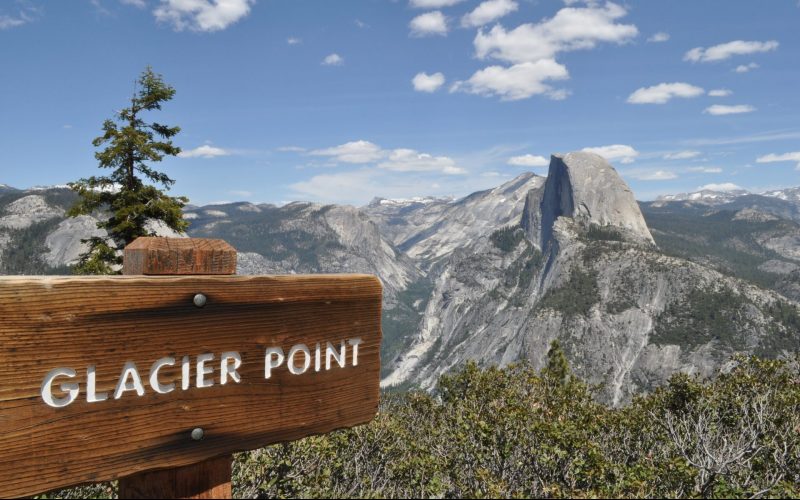
Glacier Point boasts the best panorama in all of Yosemite, arguably on par with Half Dome. You have a complete view of Yosemite village, the meadow, Yosemite Falls, Half Dome, Vernal, and Nevada Falls. The magnificent 270-degree views over Half Dome and the valley are unbelievable. It is easily one of my favorite spots in Yosemite National Park that will be remembered forever.

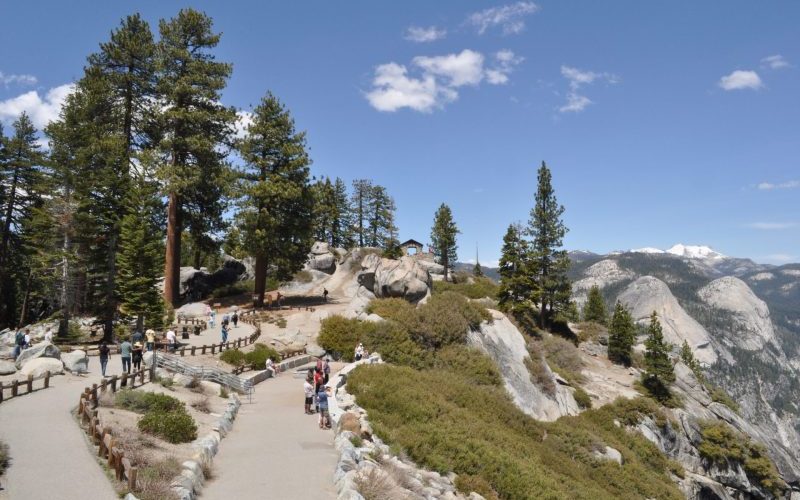
Be sure to find time to drive up to Glacier Point for the incredible views. Glacier Point is rightly popular and was quite busy. Besides, getting to Glacier Point is a long journey drive, but you will not regret taking the time to drive up there. The driving journey is very windy and narrow with 16 miles of drives up to Glacier road. Endless photo opportunities and gorgeous views along the way. Due to the popularity of this spot, the traffic can be congested along the journey. The parking place is huge but still took us some time to find a parking spot. Be aware that if the parking lot in the Glacier point is full, then the road driving up to the Glacier point may be closed, so better go there earlier.

Best to access Glacier Point from the South entrance and best driven either at the beginning or end of your Yosemite itinerary.

Hiking Trail in Glacier Point

Hiking Trail at Glacier Point

Even if you can’t walk well, you still get stellar views in Glacier Point. But if you can hike several miles, there are several hikes at nearby trailheads and you’ll be rewarded for doing so. Most people enjoy the short but steep hike in Glacier Point. From there you can see the famous Yosemite Valley entirety with little effort!

Several popular trails can be found adjacent to Glacier Point:

  • Sentinel Dome – A very short, relatively easy hike with a 2.2-mile roundtrip. You can find Jeffrey Pine during this hike, one of the most photographed trees in the world.
  • Taft Point and The Fissures – Another easy and stunning view without guardrails found at Glacier Point with 2.2-mile roundtrip.
  • Four Mile – 4.8 miles for one way can get you to hike to Glacier Point from Yosemite Valley in this strenuous trail.
  • Panorama – Extension of Mist/John Muir trail and heading from Glacier Point to Nevada Falls with 8.5 miles one way and can be strenuous.

We had the short Sentinel Dome hike and ended our hike with the stunning view of the Half Dome. Don’t forget to end your hike by grabbing an ice cream for a snack.

View on Half Dome

Half Dome - Yosemite Itinerary

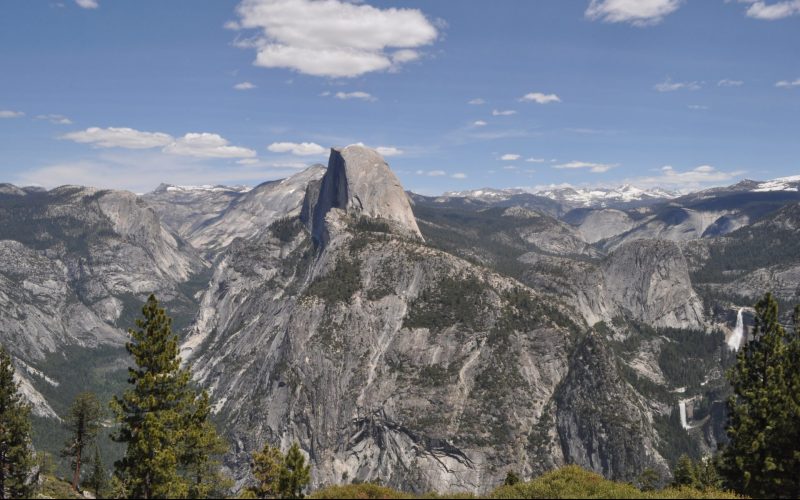
Half Dome is one of Yosemite’s iconic granite domes, standing proudly at just under 5,000 feet above Yosemite Valley. It is visible from a wide variety of locations within the Yosemite Valley and dominates most nearby viewpoints. It shines in the valley, and from viewpoints like Glacier Point.

Half dome is a gorgeous vista from the valley, and it’s an even better sight from the top. It is one of the most strenuous and amazing hikes in the world, covering over 17 miles with 4,800 feet of elevation gain. For sure it isn’t an easy hike with 10-12 hours total time. Please make sure you’re physically prepared. The view is worth the hike if you can make it.

Yosemite Travel Tips: Hike up to Half Dome requires a permit: either from the lottery held in March or through a walk-in permit. No permit in winter as it is closed.

Sentinel Meadow and Cook’s Meadow

Cook's Meadow Loop - Yosemite itinerary
Cooks Meadow, is one of the stops on our Yosemite itinerary

The Cook’s Meadow Trail is open year-round and is a great spot to visit no matter when you come to Yosemite as you are always rewarded with a great view.

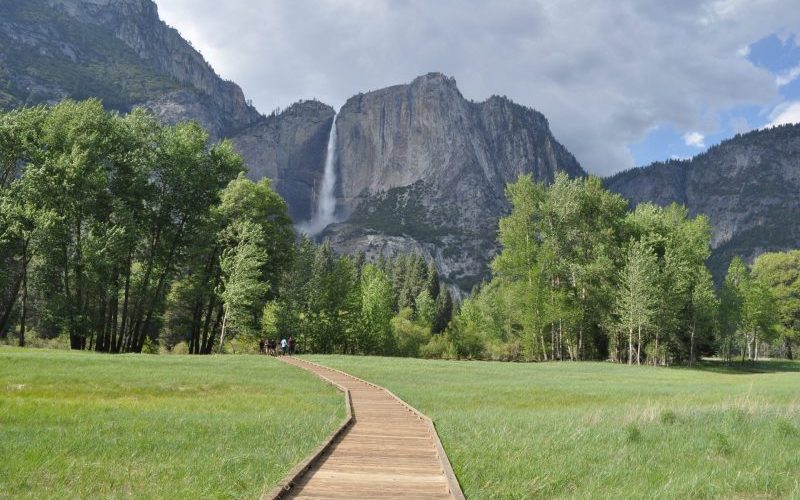
It is a wonderful short and easy trail that offers stunning views of Yosemite Falls, Half Dome, Glacier Point, and Sentinel Rock. The view is so breathtaking with the green meadows and Yosemite Falls is roaring behind. Do walk it and enjoy its beauty. We couldn’t stop taking countless pictures along the trail.

Follow the boardwalk and do not venture out into the meadow. as this may cause trampling and damage the ecosystem.

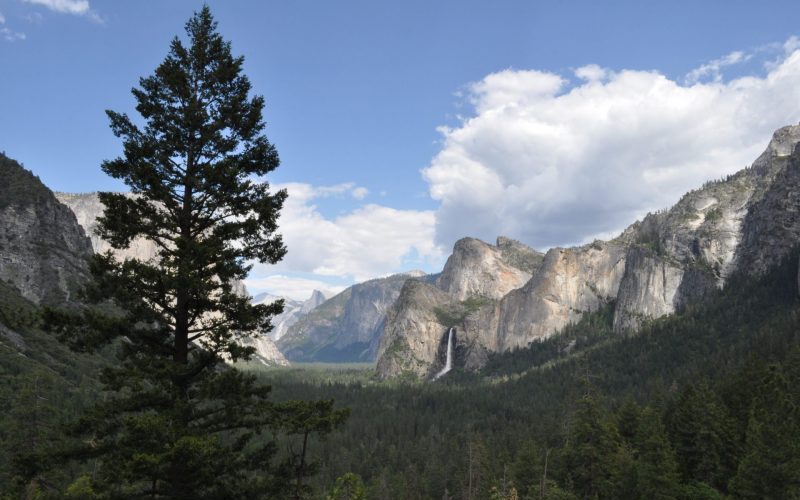
View on El Capitan at Tunnel View

El Capitan - Yosemite itinerary Must See Attraction
El Capitan at Tunnel View

The impressive El Capitan, also known as El Cap, is a granite rock formation that dominates the west end of Yosemite Valley. It is one of the most iconic monolithic features in all of Yosemite. The impressive El Capitan has a smooth face like it’s carved out of clay and a pretty pale pink and golden cream color in the sunset. It looks different and impressive from every angle.

El Capitan is the first mountain that you will come upon as you enter Yosemite Valley drive. It is best viewed from El Capitan Meadow, Tunnel View, and Valley View. Viewing El Capitan from anywhere in the park provides a different experience especially when the sunlight hits it at different parts of the day.

We enjoyed the best view of El Capitan from Tunnel View and had some wonderful shots of the valley. The incredible El Capitan was so breathtaking and words are weak to describe it. Another of the must-see landmarks in the Yosemite National Park.

Besides, El Capitan is very popular for rock climbers with about 3000 ft high from its base to the top. The top of El Capitan can be reached by the climb up the sheer granite face or by hiking up 14 miles of strenuous round-trip trail. We didn’t include hiking El Capitan as part of our Yosemite itinerary and admire it from far. But we would recommend this hike to anyone who could make it.

Yosemite Itinerary – Day 2

On Day 2 of the Yosemite National Park itinerary, we drove along the Yosemite Valley and continue the attractions of what we stopped on day 1.

We stopped at Bridalveil Falls, Yosemite Falls, and Mirror Lake, Valley View for photography. Most of the points of interest required some easy walk to get closer to the best view. Spend the remaining time driving around the Yosemite Valley and stopping at many meadows, special viewpoints, and river reflection spots.

In the late afternoon, we leave via the South entrance and headed up to Mariposa Grove, about an hour’s drive away, to hike the 2-mile Grizzly Giant loop among Giant Sequoia Trees. It was impressive to see the giant sequoia trees.

Besides, a hiker can consider picking one of the popular trails such as Upper Yosemite Trails, John Muir trail, or Mist Trail for a more natural adventure in Yosemite Park. Alternatively, hike the Four Mile Trail to Glacier Point. All are strenuous and will take a good few hours.

Yosemite Itinerary Day 2:

  • Continue driving along the Yosemite Valley loop.
  • Bridalveil Falls, Yosemite Falls, and Mirror Lake, Valley View. (3 – 4 hours)
  • Mariposa Grove and Grizzly Giant loop (3 – 4 hours)

Bridalveil Falls

Bridalveil Falls - Yosemite Travel Guide

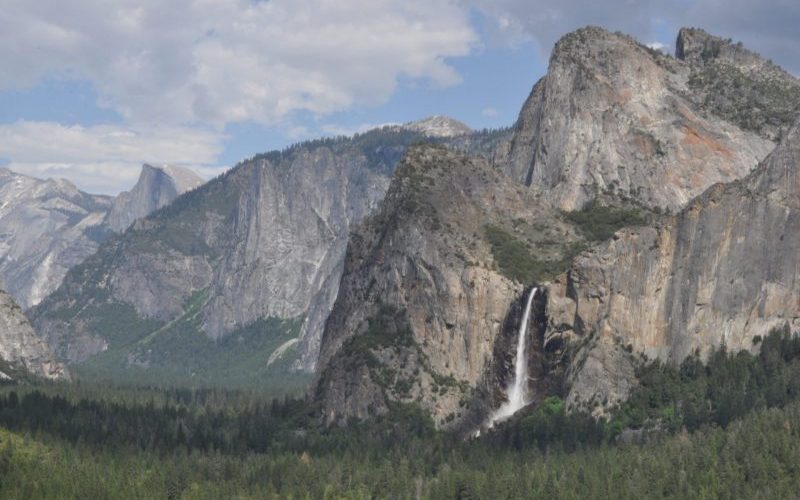
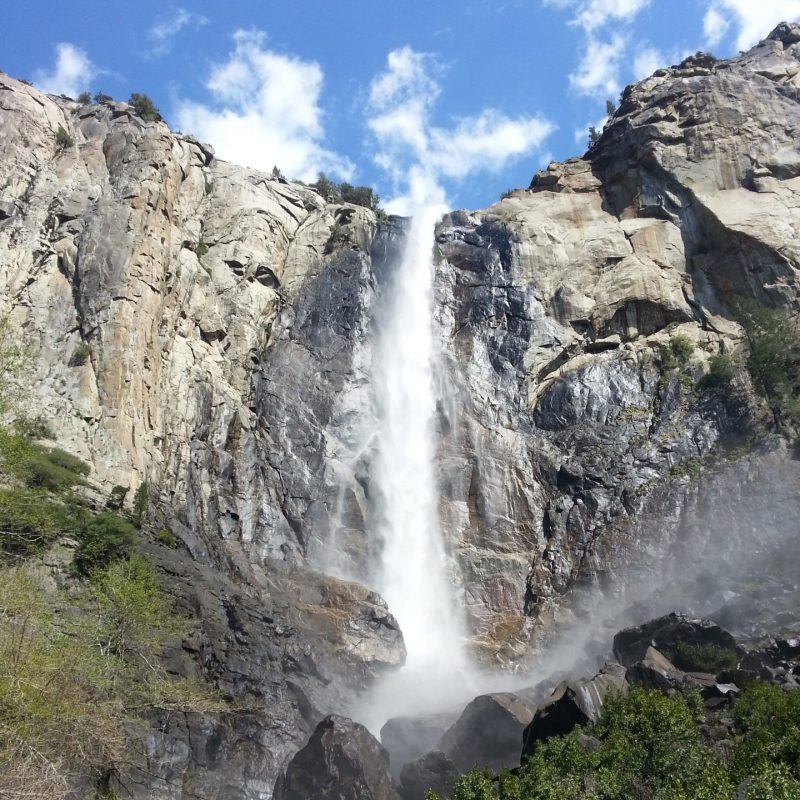
Driving into Yosemite Valley, Bridalveil Falls will be the very first waterfall you see as you enter. It is the iconic waterfall in the famous valley images taken in Yosemite National Park. The amount of water in the fall is affected by the seasons, and it is still flowing in late August.

If you want to take a closer look, Bridalveil Falls is easily accessible with a short walk. The 0.5 miles round trip trail is perfect for young children or those with less able family members. From the car park, it is an enjoyable walk leading to the Bridalveil Falls with a great view of beautiful scenery along the journey.

We enjoyed the sight of the water falling from the top of the falls. The wind was blowing fairly, we can even feel the mist, and the observation area was covered in heavy water spray. Stunning and magnificent at every second!

Yosemite Falls

Yosemite Falls - Travel Blog

The Yosemite Valley is unrivaled in its natural beauties, especially the amazing waterfalls. There are several falls to visit in the National Park with some easier to get to than others. Yosemite Falls is an easier one to find in the park. This mighty Yosemite falls is one of the main attractions for visitors to the Yosemite National Park. Standing at over 2,400 feet (700 meters) with water drop down, Yosemite Fall is proud to be the tallest waterfall in North America and the highest waterfall in the Yosemite National Park.

Yosemite Falls are near the Valley Visitor Center which makes it easy to access either by car or the free shuttle (Stop 6) that runs through the park every 10-20 minutes. Going before 11 AM will allow you to enjoy most of it without having to deal as much with crowds and get a better setup for your pictures.

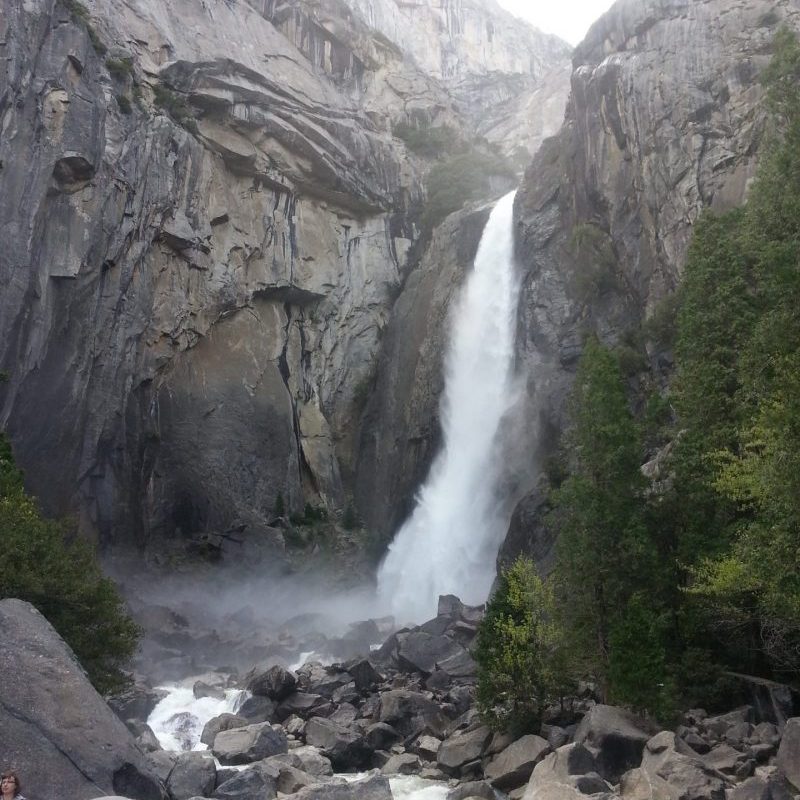
Our visit to Yosemite Falls was brief and we only hiked to the viewing area of the lower falls which was great. There is a very easy paved walk to a viewpoint to see the falls up close and personal.

Yosemite Travel Tips: In the spring season, the waterfall is at its peak. And you will only see water in Yosemite Falls between November and July. If you are lucky, you can see the rainbow at the Viewing Point at Lower Falls earlier in the morning.

Hiking Trails in Yosemite Falls

Short Hike To Yosemite Falls

Yosemite Falls consists of three separate waterfalls of varying heights. Only the upper level and lower level can be accessed via trails in the park with varying levels of difficulty.

If you prefer a longer and more strenuous hike, you can hike a strenuous 6-8 hours at 7 miles (11 km) round trip trail to Upper Yosemite Falls. The Yosemite Falls Trail can be taken all the way up to the top of the falls and allows you to see the top of the falls. Gorgeous hike with incredible views with a creek that feeds into it along with being able to overlook the valley.

Alternatively, you can opt for an easy 1-mile (1.6 km) hike which is on a paved road to the bottom of Lower Yosemite Falls. The Lower Yosemite Falls is accessible to people of all ages and fitness levels. It takes you up to the viewing area to see Yosemite Falls.

Mirror Lake

Mirror Lake - Yosemite National Park

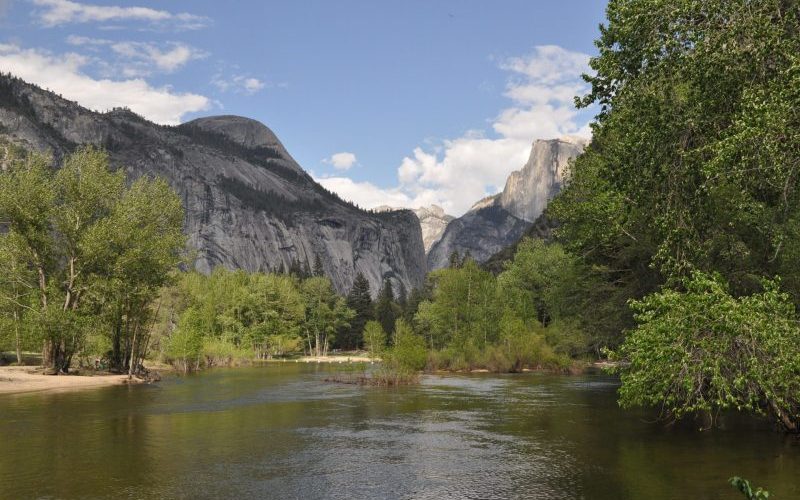
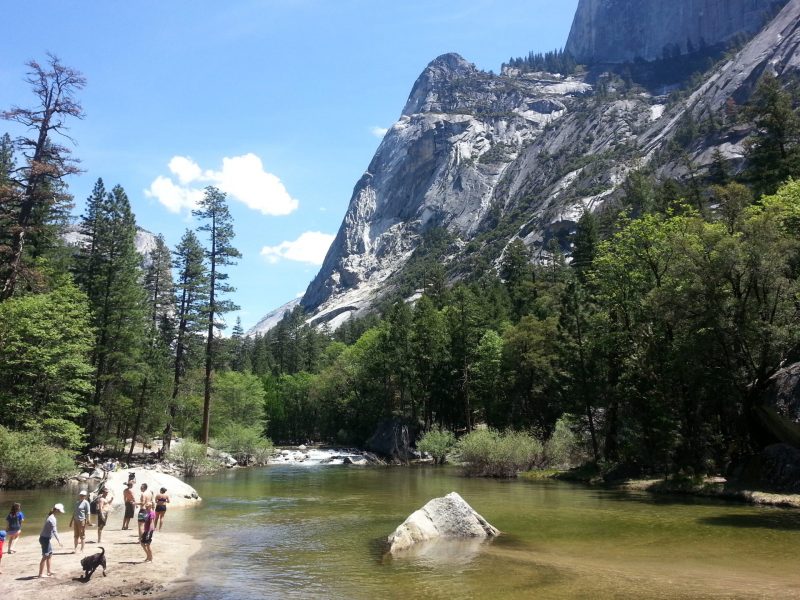
Mirror Lake, in fact just a big pool in Tenaya Creek, is one of the popular destinations in Yosemite. It is also the biggest swimming hole in Yosemite.

The pool at Mirror Lake and the view of Mt. Watkins (8,500 feet/2,600 meters), which rises above the far north end of Tenaya Canyon, are the scenic highlights. Photographers delight at the wonderful reflections you can get on the water’s surface. You‘ll find some good reflections along the way and other excellent photo opportunities if you came here early and during the right season. And this is impossible to see a good reflection if there are a lot of people swimming or soaking their feet.

The hike is considered easy to the moderate, mostly paved road, to see the Mirror Lake. The reflection upon the water is truly worth the short hike. A 2.4 miles (3.8 km) round trip from the trailhead will lead you to Mirror Lake.

Yosemite Travel Tip: Mirror Lake is a seasonal lake and only appears when the snowmelt, and slowly disappear after June. It will become Mirror Meadow if you’re there in the summer or fall.

Other Notable Yosemite Attractions

Swinging Bridge Picnic Area in Yosemite Valley

There are several fantastic photography spots with several viewpoints along the Yosemite National Park that are worth making time to see when spending time in Yosemite. You can pull the car over as often as you like to enjoy the beauty of this National Park.

Apart from the popular attractions in Yosemite, there are still some notable stops including Sentinel Bridge, Sentinel Beach, Swinging Bridge, and Valley View. The Valley View is the place where you can see the most beautiful picture of the Merced River Valley (the Yosemite Valley), and the entire Yosemite Park. Worth stopping for a fabulous view of the valley.

Mariposa Grove of Giant Sequoias

Mariposa Grove of Giant Sequoias - Yosemite Itinerary

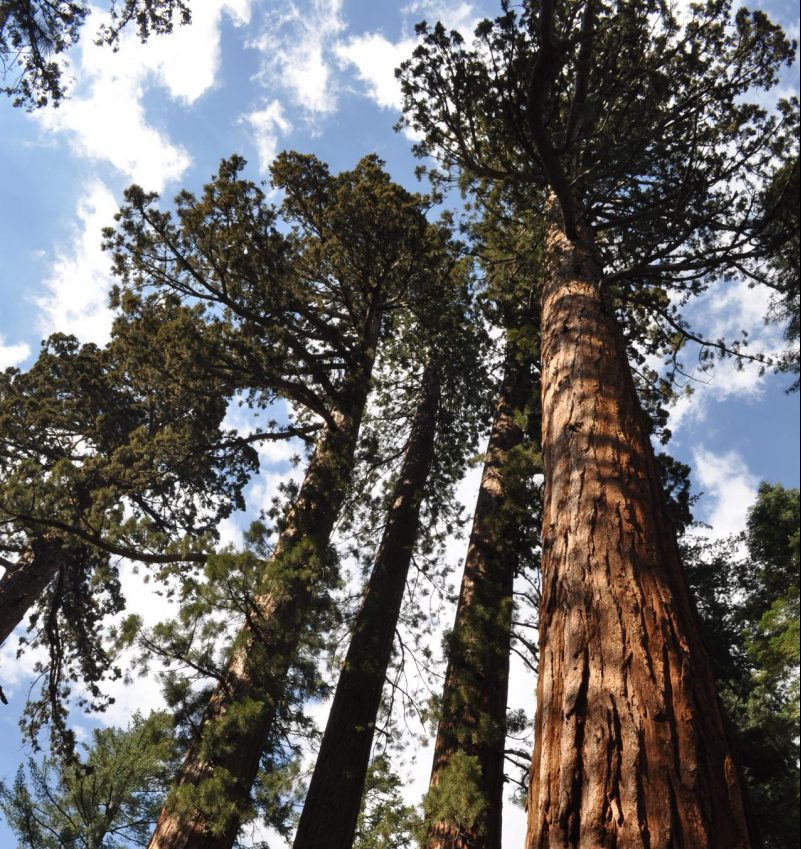
Located near Yosemite’s south entrance, Mariposa Grove is the largest Sequoia grove in Yosemite with over 500 mature giant Sequoias, and is home to hundreds of wildlife. Although we visited the Sequoia and Kings Canyon National Park before, it is still worth spending some time to see the gigantic Sequoia Trees.

Hiking Trails in Mariposa Grove of Giant Sequoias:

  • Big Trees Loop: 0.3 miles (0.4 km); includes Fallen Monarch.
  • Grizzly Giant Loop: 2.0 miles (3.2 km); includes Fallen Monarch, Bachelor & Three Graces, Grizzly Giant, California Tunnel Tree.
  • Guardians Loop: 6.5 miles (10.5 km); includes Grizzly Giant Loop trees plus upper grove.
  • Mariposa Grove Trail: 7.0 miles (11.3 km) round trip; includes Grizzly Giant Loop trees plus Wawona Point and portions of the upper grove.
Grizzly Giant sequoia

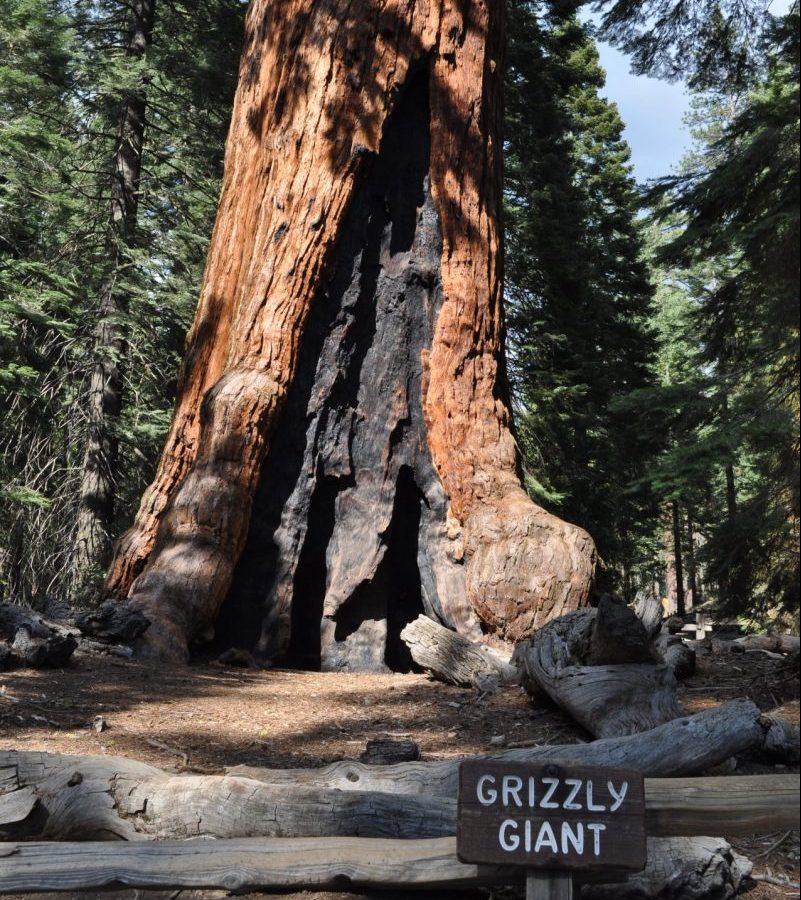
Hike the Big Trees Loop trail if short on time. But we recommended you walk for the 2 miles (3.5 km) Grizzly Giant Loop trail through the forest to see the 1,800-year-old Grizzly Giant sequoia. There are some serious rings in that tree.

The pathway through the Mariposa Grove of Giant Sequoias offers a great view of these beautiful and ancient trees. It is an easy walk with some uphill and mostly in the shaded. We enjoyed our time along the trail to view The Bachelor and Three Graces and The California Tunnel Tree. It is impressive to see these old and majestic trees. Beautiful Sequoias and accessible to all ages. One of the must-see on your visit to Yosemite National Park.

Getting There: The trailhead is two miles (3.2 km) from Yosemite’s south entrance.

Yosemite Travel Tips: Be ready to do a bit of driving to Mariposa Grove as it is located on the outskirt of the National Park.

Yosemite’s Sequoias Tree Gloves:

Besides the Mariposa Grove, there are another two Sequoias Tree Gloves that you can walk among Yosemite’s Sequoias. You can check if this is best to put into your Yosemite itinerary.

Tuolumne Grove – 2.5 miles (4 km) round trip. Located at the joining of Tioga Pass Road and Big Oak Flat Road. The entire Tuolumne Grove trail is downhill with 400 feet (120 meters), and also means a sharp ascent back to the car park. It is home to a couple of dozen mature Giant Sequoias, including one that had a tunnel cut through its base so you can walk through underneath.

Getting There: From Yosemite Valley, take highway 120 ten miles (16.8 km) to the Crane Flat/Tioga Road turnoff, then take Tioga Road half a mile (0.8 km) east to the Tuolumne Grove parking lot. From Yosemite’s east entrance at Tioga Pass, take the Tioga Road west 47 miles (75 km) to the lot.

Merced Grove – 3 miles (4.8 km) round trip. The smallest Sequoia grove is located further up Big Oak Flat Road on the way in or out of Yosemite. It is the smallest of Yosemite’s three Giant Sequoia groves compare with others with only about 20 Giant Sequoias.

Getting there: The Merced Grove trailhead is off Highway 120 north of Yosemite Valley. From the valley, take 120 north 13.5 miles (21 km) to the well-marked trailhead, which will be on your left.

Yosemite Itinerary – Day 3

Yosemite Itinerary - Tioga Pass Road

On our last day of the Yosemite itinerary, we spend most of our time in the quieter areas of the park and drive up along the Tioga Pass Road. It was a scenic drive and we stopped by some of the attractions along the journey. We spent about 6-7 hours making the drive. Some stops were pull-offs for pictures, while some like Olmsted Point, Tuolumne Meadows, and Tenaya Lake were stops for about an hour.

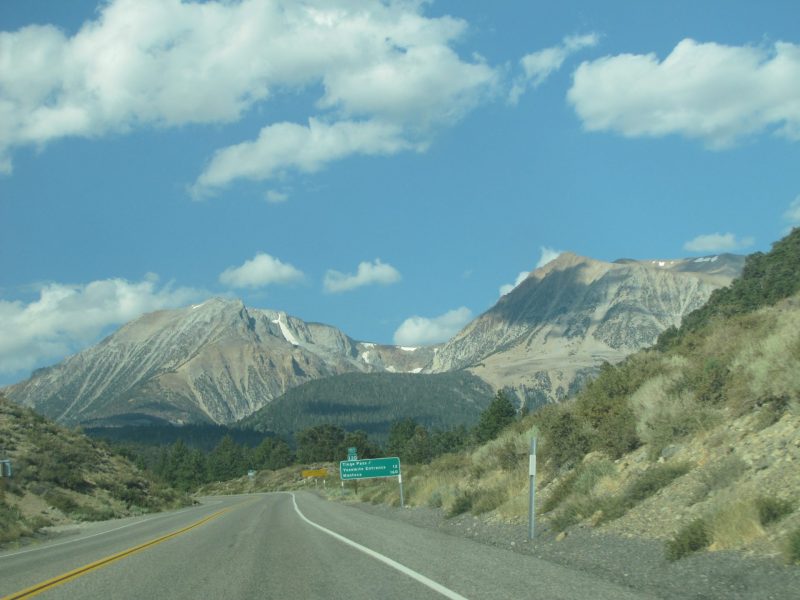
At the end of the day, we left the park at the Tioga Pass and drove along the narrow winding road to Lee Vining Canyon.

Yosemite Itinerary Day 3:

  • Scenic drive along the Tioga Pass Road.
  • Olmsted Point, Tenaya Lake, and Tuolumne Meadows. (2 – 3 hours)
  • A short hike at Lembert Dome. (1 hour)
  • Goodbye to Yosemite.

Again, Tioga Pass Road is only open from May to October. You will not be able to cross the Sierra Nevada on this road between November and April.

Enjoy the stunning view!

Tioga Pass Road

Tioga Pass Road - Yosemite Itinerary

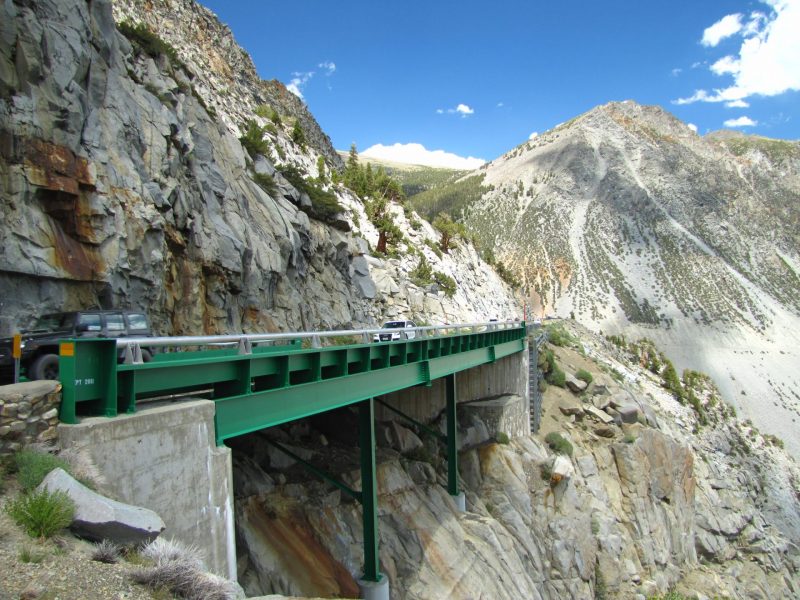
The amazing Tioga Pass Road is a fantastic place for the third day of the Yosemite itinerary if you have spare time. Known as CA Highway 120, Tioga Pass Road is a very great drive with a beautiful view of mountains, valleys, and Half Dome. It is only open from late May to late November depending on the year.

There are places to pull over along Tioga Road with numerous vista points in order to enjoy the scenery. We stopped a lot along the drive and took some short hikes as well.

Tioga Pass Road

Some of the drive as you get closer into the Valley (north of it) can be narrow and high at times. There are no guard rails along most of the drive.

Be good on gas and carry food and water if you plan to put the Tioga Pass Road on your Yosemite itinerary.

Olmsted Point

Olmsted Point

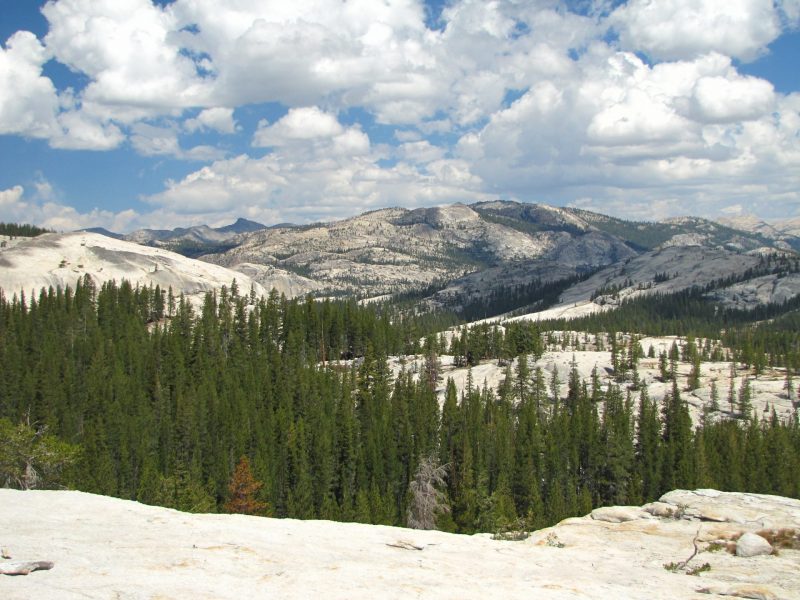
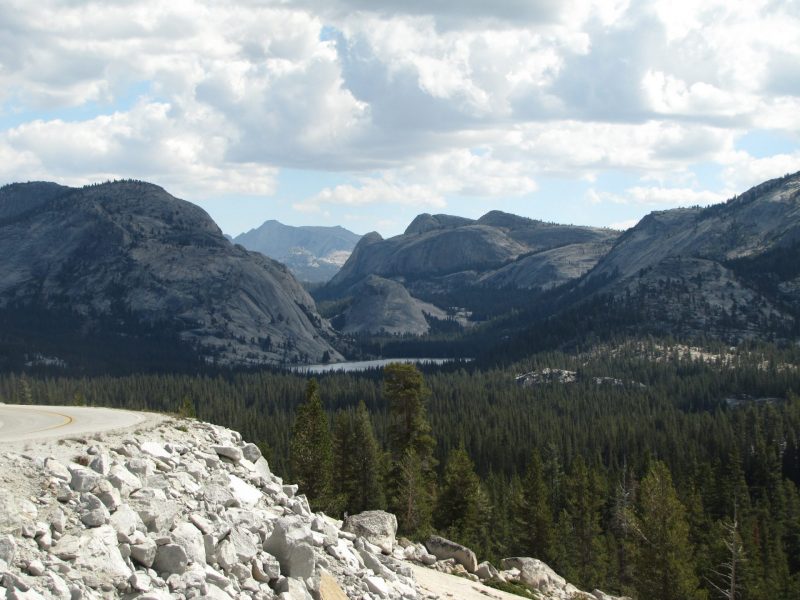
Our first quick stop was at Olmsted Point on our drive from the Yosemite valley out to Tuolumne meadows. This is a great stopping point, and you get another view of Half Dome.

Climb the granite rock and get even a better perspective as you look down on the Valley. There are also a few trails, including a short and easy one that allows for a more unobstructed view of Half Dome. A nice stop.

Tenaya Lake

Tenaya Lake - Yosemite Itinerary

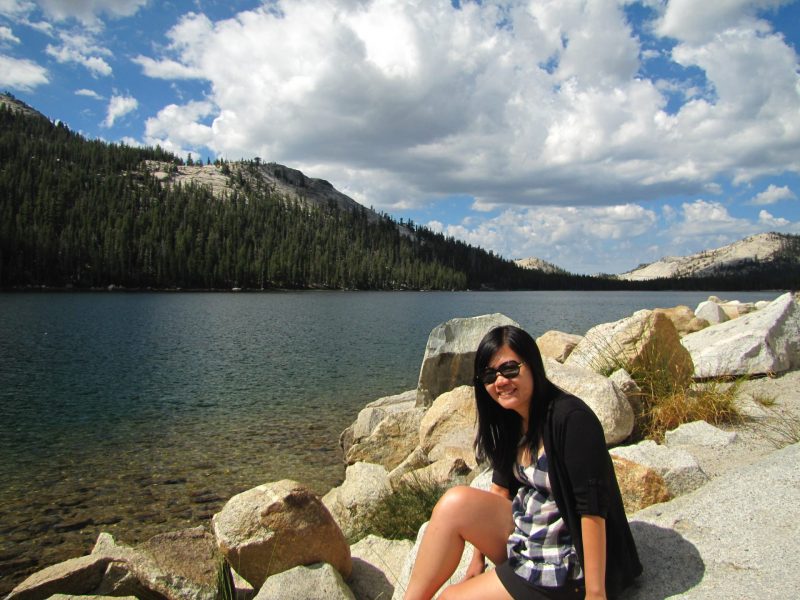
Tenaya Lake is beautiful beyond words! The water is crystal clear and extremely spectacular, with reflections of the surrounding granite domes in the calm water. We walk through ankle-deep water and dip our feet in the frigid water while enjoying the view. It was also a great picnic stop, and a perfect place to canoe, kayak, or paddleboard.

A nice place to spend some time while we drove the Tioga Road.

Lembert Dome

Lembert Dome

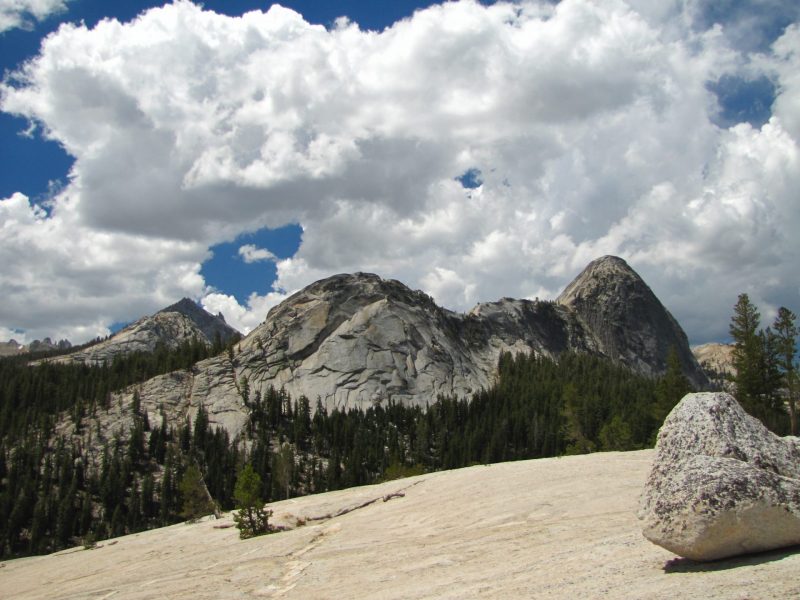
Apart from the wonderful drive along Tioga Road which is worthwhile in itself, Lembert Dome offers a chance to walk up a dome without too strenuous a hike. This is quite a steep and high hike, which involves some steep uphill pitches. Be careful hiking up and down the dome and good shoes to tackle the last hundred yards to the top.

We didn’t go to the top as had other plans that day but walked around the front face of the dome for the fun of it.

Tuolumne Meadows

Tuolumne Meadows

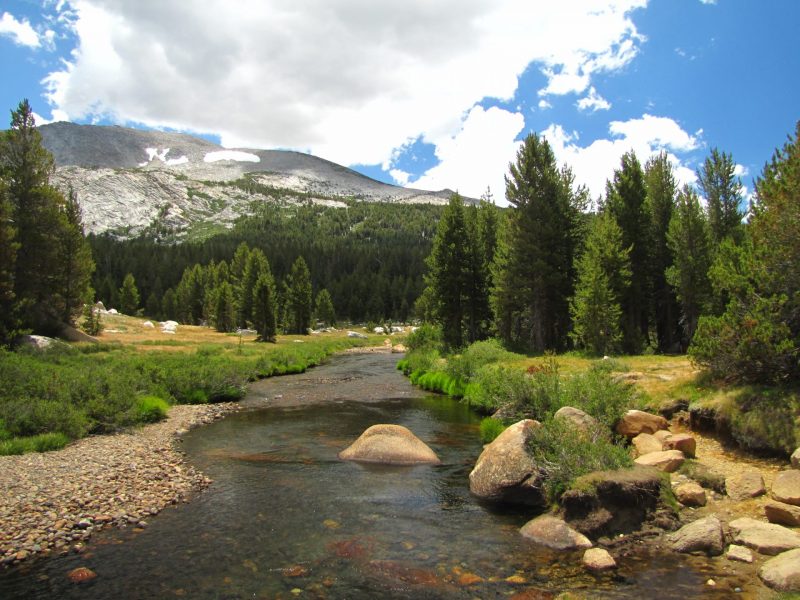
Another worth stopping by along the Tioga Pass Road is the Tuolumne Meadows. The meadow is gorgeous, with a beautiful blend of meadows, rivers, forests, and rock. Following the river, we walked through the green Tuolumne Meadows with a backdrop of granite mountains in the distance. The reflections of the mountains in the stream that flows through the meadows are just beautiful.

Peaceful and lovely. This area is worth an extended visit along Toga Pass Road.

How Many Days For Yosemite

Yosemite National Park is huge and can easily spend an entire week here and not get bored. Here is our opinion on how many days for Yosemite.

1 Day in Yosemite – A day trip to Yosemite is doable but you need to plan and start your Yosemite itinerary early and end it late. It will be very exhausted and most of the attractions are only touch and go. Best to spend most of your time in the Yosemite valley loop.

2 Days in Yosemite – While 2 days will allow you to hit most of the major sights and you are flexible to pick up a few hikes to pack into your Yosemite itinerary. You will need more time if you plan for the longer hike.

3 Days in Yosemite – We believe three days is the perfect amount of time to spend at Yosemite, considering what you can see in 3 days. The Tioga Pass Road can be considered if you have 3 days to spare and extended your visit to Mono Lake.

Where To Stay in Yosemite

Where To Stay in Yosemite

Deciding where to stay in Yosemite is a key part of planning a trip to Yosemite National Park. We’ve written a complete guide to the best places to stay in Yosemite National Park which we highly recommend.

The accommodations inside the park are notoriously difficult to book and very expensive. If staying in the park doesn’t suit your spending plan, you will have to commute. A decent compromise between high prices in Yosemite Valley, consider looking for accommodation outsides the valley.

To save money, we stayed in Comfort Inn Yosemite Area for the first day and moved our stayed to Lee Vining for the last day before our next adventure. We can tell you how inconvenient driving in and out of the park is each day. But it will be far cheaper and easier to book compared with the accommodations inside the valley.

Yosemite Best Accommodation Inside the Park

The best place to stay, if it falls within your budget, is right in the park (ideally Yosemite Valley). It is the best way and best place to stay in Yosemite if you want to maximize your time. 

  • The Ahwahnee (formerly Majestic Yosemite Lodge): Yosemite’s only luxury hotel offers fine dining, grand architecture, and a central location in Yosemite Valle. Perfect for those who are looking for luxurious comfortable rooms. 
  • Wawona Hotel: A historic Victorian lodge in the southern part of the park near the Mariposa Grove.
  • Lodge at the Falls and Curry Village are both popular in-park lodging. Yosemite Valley Lodge is more affordable and has a great location close to Yosemite Falls.
  • Numerous campsites in the park and booking are required.

Make sure you book far in advance as all the popular stay in Yosemite sell out extremely fast even a year ahead.

Yosemite Best Accommodation Outside the Park

Following options in places like El Portal, Groveland, and Oakhurst are also popular stays when planning for the Yosemite itinerary.

El Portal: The nearest town to the valley and the best option for day-tripping travelers to Yosemite park. The Yosemite View Lodge is very popular and nicely located, close to the Yosemite park with a 10min drive. Some rooms are featuring with a nice view of the mountains and the rivers. The 2-star Cedar Lodge is a slightly budget option, within 30 minutes drive and you can arrive in Yosemite.

Groveland: Yosemite Westgate Lodge is 19 km from the west gate entrance of Yosemite National Park. Well-maintained and a very nice place to sleep when spending long days in Yosemite. Else, Rush Creek Lodge is another good choice and Yosemite’s Highway 120 West entrance is 0.8 km away.

Oakhurst: Slightly away from Yosemite with a 60 to 90 minutes drive from the Yosemite valley, but you can find many decent and good hotels in this area. The popular picks among the travelers are Best Western Plus Yosemite Gateway Inn, Comfort Inn Yosemite Area, and the Sierra Sky Ranch, Ascend Hotel Collection.

The popular hotels in El Portal are extremely popular. It is best to reserve your room once your Yosemite itinerary is planned. Look for a hotel with free cancellation possible and amend it in case of any changes.

Wrap Up: My 3-Days Yosemite Itinerary

Nature is on a grand scale in Yosemite. The panorama views of valleys, stunning waterfalls, and famous granite rock formations really take your breath away. For sure the park has something for everyone, from a natural lover, hiker, rock climbers, or even you’re just planning to drive through Yosemite valley for a scenic drive on your visit.

The amazing Yosemite exceeded our expectations and you can’t go wrong by spending your holiday here. It is a paradise for the nature lover with amazing views, and a good chance to take in all the local flora and fauna.

Different seasons and times offer their own uniqueness for each iconic part of the national park. Truly amazing and pictures cannot do it justice! You can come back to re-visit every vista point and enjoy this spectacular place.

We saw a lot in three days but still want to spend time here. Hope we’ll come back for another visit!

Yosemite FAQ

Here is the common question when travelers plan for the Yosemite Itinerary:

How Many Days is enough for Yosemite?

At least two days! Two days in Yosemite allows you to hit most of the major sights and you are flexible to pick up a few hikes to pack into your Yosemite itinerary. You will need an additional day to plan for a great hike in the valley.

Can Yosemite be a day trip?

A day trip to Yosemite is doable but it will be very exhausting and action-packed for your trip. And we recommended focusing on the attractions in the valley.

What should I not miss in Yosemite?

We highly recommend incorporating these beautiful spots into your Yosemite itinerary, including Glacier Point, Half Dome, El Capitan, the famous three waterfalls in Yosemite, and Tunnel View in Yosemite Valley.

Is Yosemite Worth Visiting?

Yes, Yosemite is definitely a must-see and should be on the list when planning your USA itinerary.